





From 2021: Thomas Built Buses Introduces New Pedestrian Detection System
Smart Radar System Enhances School Bus Safety at Florida District
New radar technology detects pedestrians near the bus and passengers inside to improve school bus safety by reducing the risk of collisions and increasing blind spot detection. One Florida district piloted the tech on its buses.
July 7, 2025
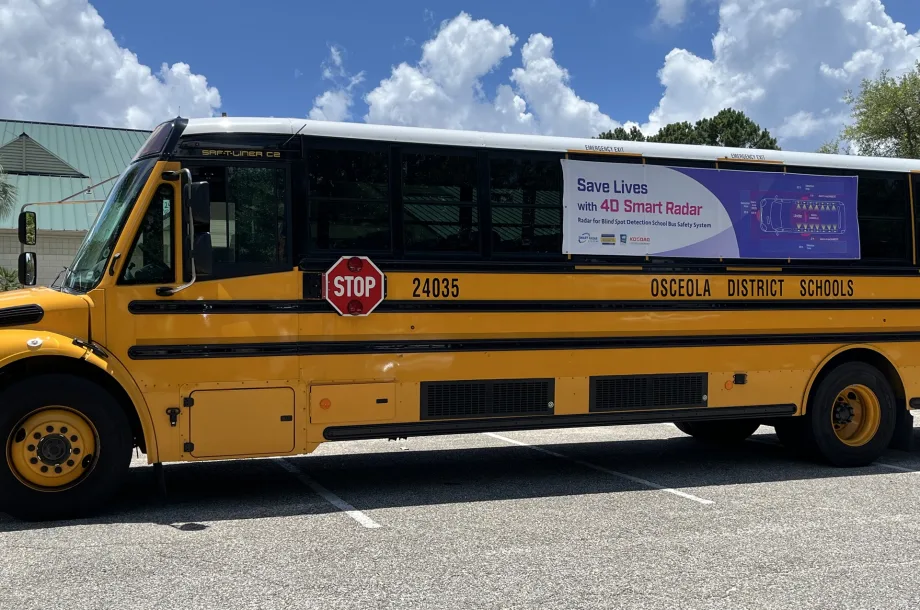
Smart Radar System’s technology is demonstrated on one of the School District of Osceola County’s buses.
Photo: School District of Osceola County
2 min to read
The School District of Osceola County’s transportation department teamed up with Smart Radar System, a Korean technology company making radar sensors that offer collision avoidance and blind spot detection. Together, they piloted 4D radar technology to improve school bus safety.
Smart Radar System specializes in advanced detection solutions that use radar to monitor vehicle surroundings in real-time, electronically scanning for pedestrians around and under the bus when it is stopped. It alerts drivers of people near the bus through LED lights and audio alarms.
Through this collaboration, select Osceola school buses have been equipped with Smart Radar's sensors to test capabilities such as blind-spot detection, pedestrian awareness, and collision prevention. This radar detection system includes both internal and external sensors around the bus and on the undercarriage.
The passenger compartment also features sensors that detect passengers inside by registering individual heartbeats, lowering the risk of overlooking children left on the bus, a local news site reported.

District transportation leaders stand with Smart Radar System staff at the Florida Association for Pupil Transportation summer conference last month.
Photo: School District of Osceola County
In September 2024, the system was approved by the Florida Department of Education, paving the way for wider use in school transportation. Since then, several other school districts have expressed interest in this technology.
The system provides real-time data and advanced monitoring to ensure safe stops and smoother transportation. By alerting school bus drivers to potential hazards they may not immediately notice, the system provides an additional layer of protection for the nearly 27,000 students in the district.
Smart Radar representatives joined district officials at the most recent Florida Association for Pupil Transportation (FAPT) conference to showcase the system in action and demonstrate its potential to other districts. Feedback from Osceola’s drivers and mechanics will help determine how the solution might be scaled across the district in the future.
Beyond school buses, Smart Radar is exploring additional applications for its technology, including city transit buses, mobile showers for homeless outreach programs, and integration with automatic braking systems to help mitigate accidents caused by distracted drivers.
“This collaboration reflects Osceola County’s continued commitment to investing in safe, forward-thinking transportation for its students — and the growing role of technology in protecting lives on the road,” a district representative said.
More Safety
2 Killed, Dozens Injured in Florida School Bus Crash
A multi-vehicle collision caused a Polk County school bus carrying 37 students to overturn on its way to Winter Haven High School.
Read More →
Illegal School Bus Passing Drops 24% in New York Districts
With fewer than 5% of citations involving repeat offenders, Westchester County officials said enforcement, education, and community partnerships are helping change driver behavior.
Read More →
School's Back. Here's What Happened to Traffic, Speeding & Distraction
What happens to traffic when school resumes? New data analysis examines changes in distracted driving, congestion, and speeding around schools.
Read More →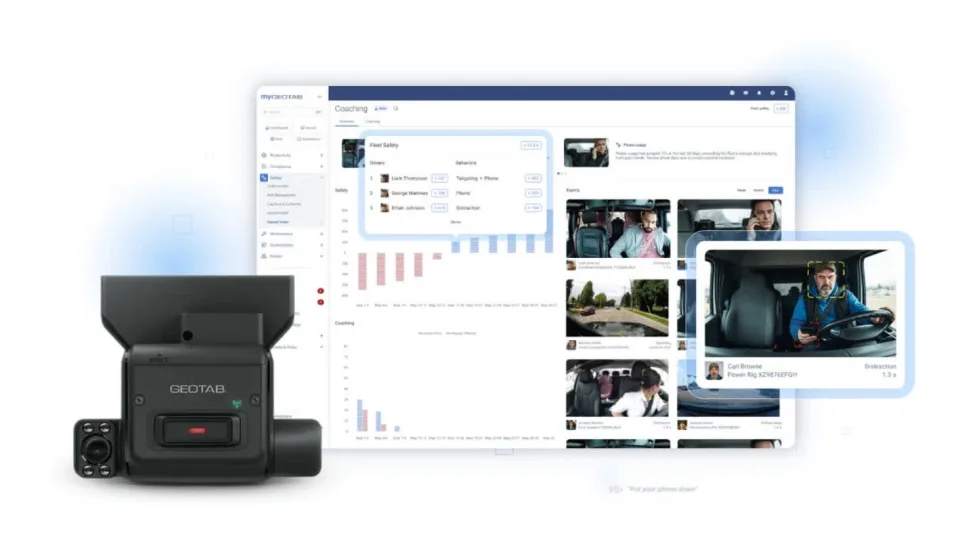
Geotab Expands Fleet Safety Tools With Video Coaching, Risk Insights
New safety and video capabilities aim to help fleet managers assess risk, support drivers, and take targeted action through video coaching, red-light violation detection, and more.
Read More →
How to Build a Better School Bus Driver Training Program
Is it time to strengthen your driver training? Here’s how to pick the right talent and improve recruitment, retention, and safety. This video is brought to you by IC Bus.
Read More →
Recent School Bus Accidents Leave 2 Dead, 2 Injured
Four school bus crashes in Florida, Illinois, and Georgia highlight risks in transportation lots, at bus stops, and during student loading and unloading.
Read More →
When Every Second Matters, Clarity Keeps Routes Moving
From routine delays to urgent incidents, strong communication practices help drivers, dispatchers, schools, and families respond with confidence.
Read More →
What Happens When a School Bus Catches Fire — and What Can Help
School bus fires are rare but can be devastating. Learn how advances in fire suppression and asset protection help fleets detect fires earlier, reduce damage, and improve safety.
Read More →
Geotab Launches Tool to Help Fleets Investigate Road Incidents
Geotab Investigations combines telematics data, video, documents, and other evidence to help fleets reconstruct incidents, resolve claims, and determine what happened.
Read More →
Texas Sixth Grader Wins 2026 National School Bus Safety Poster Contest
Sai Darshana Yekolu of Moseley Middle School in Prosper, Texas, was named the newest winner for her artwork, bringing the theme of “Safe Rides, Everyday Heroes” to life.
Read More →