





Watch: What’s Going on in Washington? A Check-In with NSTA [VIDEO]
Tariffs & the School Bus: What We Know So Far
Will school buses and supplies soon be more expensive due to the newly imposed tariffs on neighboring countries? Here’s an update on the U.S. tariff situation and industry reactions.
April 3, 2025
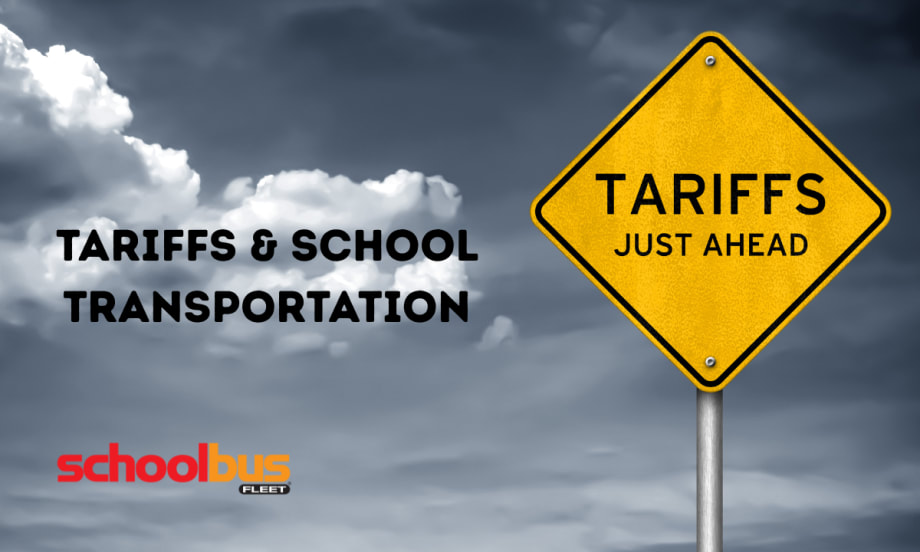
Rising material costs due to the new tariffs may affect school bus production and pricing.
Photo: SBF/Canva
4 min to read
We’ve all heard a lot about tariffs lately, but how will they affect the school transportation industry? Much is yet to be seen, and things are changing quickly, but here’s what we know so far (scroll to the end for the latest updates).
In early February, President Trump announced new tariffs on imports from Canada, Mexico, and China. The tariffs were to be 25% on Canada and Mexico and 10% on China. The tariffs were postponed a few times since, but are now in effect.
A new tariff on imports of steel and aluminum took effect March 12. The U.S. Chamber of Commerce said this is raising prices for steel and aluminum and will contribute to higher prices for manufacturers and raise the cost of living for consumers.
A March 26 executive order called for 25% tariffs on specific auto part imports with a date to be determined but no later than May 3. Yesterday, the administration confirmed a 25% tariff on auto imports from other countries, including Canada and Mexico, starting today. However, this only applies to light-duty vehicles and not heavy-duty. He also announced a baseline tariff of 10% across all countries to go into effect April 5. The president did say Canada and Mexico will be exempt from it, though the original 25% still applies.
Since the school bus industry does import certain parts and products from these countries and manufacturers and suppliers are affected first, those additional costs could be passed on to buyers. As of publishing this story, we have not yet heard of specific price increases as a result of the tariffs, but that could change.
Industry Reactions
SBF reached out to various vendors to learn about their plans and potential impact. Most were not yet ready to share anything as much is still unknown and information changes often. What we did gather is noted below.
School bus manufacturer Blue Bird released this statement about the issue: “… Blue Bird stays committed to manufacturing and delivering clean transportation solutions and safeguarding well-paying U.S. manufacturing jobs. We closely monitor developments related to U.S. trade policies, including tariffs, and their potential impact on our business, customers, and suppliers. We are actively working with policymakers, our supply chain, and industry partners to adapt to the new environment. Blue Bird recognizes that tariff-related decisions can impact pricing, production costs, and overall industry dynamics. We will continue to assess the situation and adjust our business as necessary, including ongoing decisions regarding pricing modifications on our products.”
Curt Macysyn, executive director of the National School Transportation Association (NSTA), said: “NSTA is monitoring the situation closely, as this is part of a larger, more complex negotiation. School bus manufacturing remains an American success story, but we are concerned because individual bus components could be subjected to proposed tariffs. We will continue to observe and react appropriately to developments.”
Pryme, a provider of push-to-talk products, posted this message to its website homepage as of April 2025: "Please note: Price increases are coming soon due to the increases in duty costs. Tariffs are changing daily (sometimes hourly). We are working very hard to try and keep our increases to a minimum. We encourage you to place any planned orders as soon as possible before prices change."
Back in February, a group of bus and motorcoach associations released a letter acknowledging the impact to bus operations and stating their intent to remain in solidarity with members and as an industry as things continue to evolve. In March, they submitted a joint letter to U.S. Trade Representative Jamieson Greer and Secretary of Commerce Howard Lutnick asking that motorcoaches receive a one-month delay of tariffs on automobile imports from Canada and Mexico.
Recommended Resources
The American Bus Association has a resource hub on its website that, while again not directly relevant to student transportation busing, may offer additional information.
SBF sister brand Heavy Duty Trucking has closely followed this issue with regular updates and analysis how the tariffs could affect trucking operations. We highly recommend you check out their post. While not all concepts will carry over to school busing, some effects could be similar.
Updates
Update as of 4/9: Some tariffs are delayed again, with the president announcing a new 90-day pause on the additional “reciprocal” tariffs that applied to Mexico and Canada. The previous tariff remains in effect. China, which announced retaliatory tariffs against the U.S., is exempt from the new delay, and President Trump hiked its tariffs even higher to 125%.
Update as of 5/12: The U.S. and China both agreed to ease the previously announced steep tariffs in a 90-day truce. The U.S. agreed to drop its 145% tariff rate on Chinese goods to 30%, while China agreed to lower its rate on U.S. goods from 125% to 10%. The 90-day timeout buys both counties more time to negotiate in a new round of trade discussions.
Stay tuned as we continue to update you on this evolving situation.
More Management

How to Build a Better Driver Training Program
Ready to boost up your school bus instructor training? Here’s how to pick the right talent and improve recruitment, retention, and safety.
Read More →
CALSTART and Forth Combine to Form Catalyst Mobility
The new name represents a renewed vision for the nonprofit focused on advancing clean, equitable, and affordable transportation solutions that move people and goods.
Read More →
What Makes a Great School Bus Driver Trainer?
Choosing the right school bus driver trainer takes more than experience. Learn six keys to selecting and developing trainers and evaluating program effectiveness.
Read More →


School Bus Contractors Expand Through New Deals, Acquisitions & Partnerships
STA's Canadian division acquires Ontario-based G&L Stevenson Transport while Durham School Services adds a new district contract in California, First Student adds a New Jersey contract, and Minnesota Coaches acquires Halo Transportation.
Read More →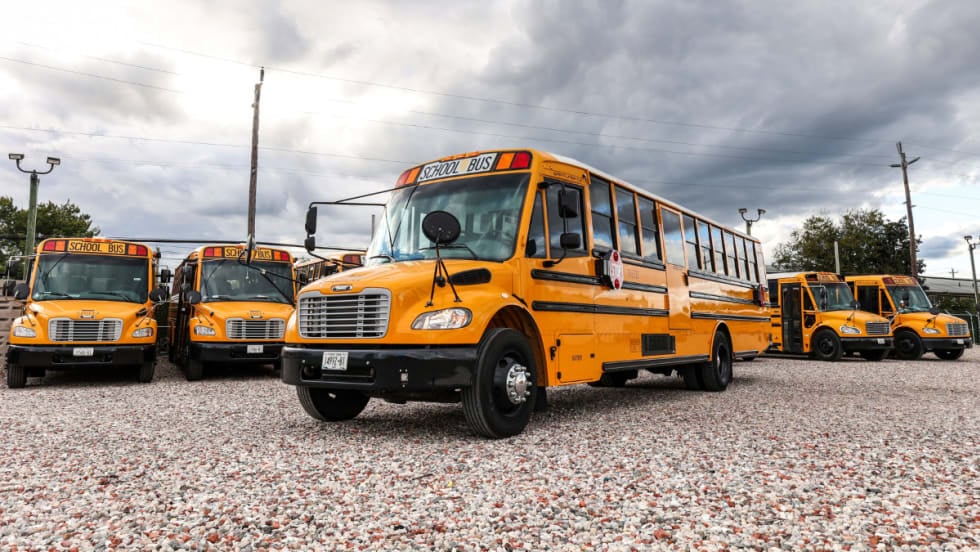
Logan Bus Company Rolls Out AI Phone System for NYC School Bus Families
A summer pilot found that AI agents could handle most routine calls, freeing up time for customer service staff to focus on emergencies and complex family concerns.
Read More →
From Intent to Impact: What I Learned About Leadership from TAPT
A Texas transportation supervisor shares lessons on self-awareness, accountability, managing stress and building trust — and why investing in leadership development matters at every stage of your career.
Read More →
NAPT Names 2026 Award Recipients, Hall of Fame Inductee
Who earned national recognition for their work in student transportation? This year, NAPT named five recipients of its 2026 awards for service, safety, and leadership, plus its newest Hall of Famer.
Read More →
Sponsored•September 2, 2026
2026 State of Student Transportation Report
Driver shortages. Rising costs. Growing safety expectations. More data, but not enough time to act on it. The 2026 State of Student Transportation Report reveals what transportation leaders say is putting the most pressure on their operations—and where they’re investing next. See how your priorities compare.
Read More →
How to De-Escalate an Angry Person: 5 Steps for Handling Workplace Conflict
What makes emotions run high, and how should you handle an angry colleague or parent? Follow these steps for staying calm, listening, showing empathy, and resolving conflict.
Read More →
Sponsored•September 1, 2026
What Readiness Looks Like This School Year
Learn about the challenges shaping the 2026–2027 school year, from persistent driver shortages and budget pressure to technology and readiness gaps. See how school districts are responding and adapting in Zonar’s 2026 Back-to-School Readiness Report.
Read More →