





DID YOU MISS: [VIDEO] Spring Forward Forever
Trip Sheet: Is It Time for Daylight Saving Time to Clock Out?
How do you think the potential shift to permanent Daylight Saving Time or standard time would impact our daily lives and routines, especially considering the divided approach across various states?
March 26, 2024

Should we ditch the extra hour gained each year or make it permanent?
Credit:
School Bus Fleet
3 min to read
Daylight Saving Time continues to generate controversy across the country, with at least 30 states considering legislation or resolutions in 2024 – and the proposals are torn between ditching the extra hour or keeping it.
Many are pending, while two calling for a move to permanent standard time – in Maine and Virginia – have failed. Here’s a quick rundown, state-by-state:
- Alaska: Would exempt Alaska from Daylight Saving Time if federal law is amended by Dec. 31, 2031, to allow year-round DST observation. Both propose exempting the state from DST in favor of permanent standard time.
- California: Would repeal DST and mandates year-round standard time, overturning Prop. 7's provisions.
- Georgia: Would exempt Georgia from DST, moving to permanent standard time. This change hinges on similar exemptions in North Carolina, South Carolina, and certain areas of Florida and Tennessee.
- Idaho: Would exempt Idaho from DST once two of the neighboring states - Montana, Utah, Wyoming, Oregon, Washington, or California - do the same.
- Iowa: Would establish DST as the official time throughout the year in Iowa.
- Illinois: HB 5114 seeks to exempt Illinois from DST in favor of permanent standard time, contingent on similar actions by Indiana, Iowa, Missouri, and Wisconsin. HB 1192 proposes adopting DST as the year-round standard time.
- Indiana: HB 1289 would exempt Indiana from DST, allowing communities to choose between Eastern or Central Standard Time. HR 10 and HCR 16 focus on urging Congress to make DST permanent and requesting U.S. Department of Transportation hearings on Indiana's time zone, respectively.
- Kentucky: Advocates for an exemption from DST in favor of permanent standard time and urging Congress to allow states to adopt DST permanently.
- Massachusetts: Multiple bills propose the adoption of permanent Atlantic Standard Time or Eastern Standard Time, contingent upon similar actions by neighboring states, or aim to establish permanent standard time to promote health.
- Michigan: Advocates for year-round Daylight Saving Time, contingent on congressional authorization and similar actions by Wisconsin, Illinois, Indiana, Ohio, and Pennsylvania.
- Minnesota: Would recognize federal standard time year-round from 2024.
- Missouri: Would establish a pact for new standard time and exempt the state from DST and prohibit DST unless federal law changes.
- Mississippi: Proposes DST as the year-round standard time if federal law allows.
- Nebraska: Urges Congress to reevaluate the Central Time Zone boundary and advocates for year-round DST after federal authorization.
- New Hampshire: Focused on exempting the state from DST and advocating for year-round Atlantic Standard Time in collaboration with New England states.
- New Jersey: Would permanently observe DST pending federal law changes.
- New York: Would explore the effects of opting out of DST and propose year-round standard time or Atlantic Standard Time, contingent on neighboring states' actions.
- North Carolina: Seeks to adopt DST year-round pending congressional approval.
- Ohio: Urges Congress to make DST the permanent standard time.
- Oklahoma: Considers permanent observation of DST contingent on actions by Texas and federal law changes.
- Oregon: Passed the Senate, abolishing the time change and maintaining standard time year-round.
- Pennsylvania: Focuses on adopting Eastern Standard Time or Atlantic Standard Time without DST.
- South Carolina: Aims for permanent Eastern Standard Time without further adjustments. South Dakota: Pending, Outlines the official standard time based on federal law changes regarding DST.
- Tennessee: Could exempt the state from DST pending regional consensus.
- Vermont: Advocates for year-round Daylight Saving Time or Eastern Standard Time contingent on actions by neighboring states.
- Washington: Would exempt the state from DST in favor of year-round Pacific Standard Time.
- West Virginia: Proposes eliminating DST from July 1, 2024.
How do you think the potential shift to permanent Daylight Saving Time or standard time would impact our daily lives and routines, especially considering the divided approach across various states?
Reach out to School Bus Fleet Executive Editor Wes Platt at wes.platt@bobit.com.
Quick Answers
Daylight Saving Time (DST) is the practice of setting the clocks forward by one hour during the warmer months to extend evening daylight. The debate about its permanence arises due to the potential benefits, like reduced energy consumption and more evening daylight, versus drawbacks like disruption to sleep patterns and universally inconsistent implementation.
*Summarized by AI
Subscribe to Our Newsletter
More Blog Posts

The Sound of Summer Starting [Guest Editorial]
That unmistakable school bus rumble? It carries childhood memories, community routines, and a whole lot of unseen work behind the scenes.
Read More →
The Technology Power Combo That Enables EV Charging on Difficult Sites
As the pace of fleet electrification increases and charging infrastructure continues to pose challenges, many fleets find themselves puzzling over the question: how do I install charging infrastructure faster and more cost-efficiently?
Read More →
Trip Sheet: Farewell, Faithful Readers – Keep on Rolling
Executive Editor Wes Platt offers parting thoughts as he parks the School Bus Fleet bus to focus on ultra-local community journalism, making way for someone else to take the wheel as the pupil transportation industry continues to evolve.
Read More →
Trip Sheet: School Transportation Pros Can Champion Children's Mental Health
Children's Mental Health Awareness Day underscores the significance of school bus drivers in fostering supportive environments during students' journeys. SAMHSA's initiatives, including stigma reduction and access to resources, complement the Biden-Harris administration's funding efforts to enhance youth mental health services and workforce development.
Read More →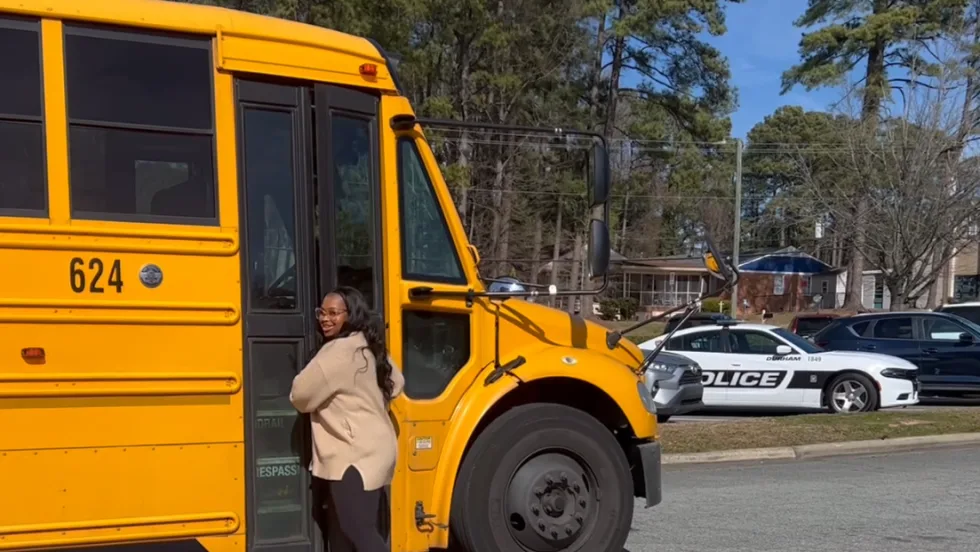
Trip Sheet: Meeting a Hero in My Own Back Yard
I remain impressed by the matter-of-fact heroism that’s often demonstrated by school bus drivers like Deona Washington who are caught in these situations where the best of us might lose our cool and panic. But, then again, bus drivers are a unique breed.
Read More →
Trip Sheet: 3 Takeaways from the EPA Clean School Bus Grant Program
Most applicants sought grant funding to acquire electric school buses, with propane coming in a distant second. No one indicated plans to purchase compressed natural gas (CNG) buses in this round. That’s not terribly surprising, I suppose, given how few school districts listed the inclusion of CNG buses in their fleets for our 2023 top district fleets survey.
Read More →
Trip Sheet: Let's Get Rolling: What's Coming in 2024?
Calendar pages keep flipping toward the mandates set in states like New York and California to transition their school bus fleets from diesel to zero-emission, but there’s plenty of reluctance and pushback.
Read More →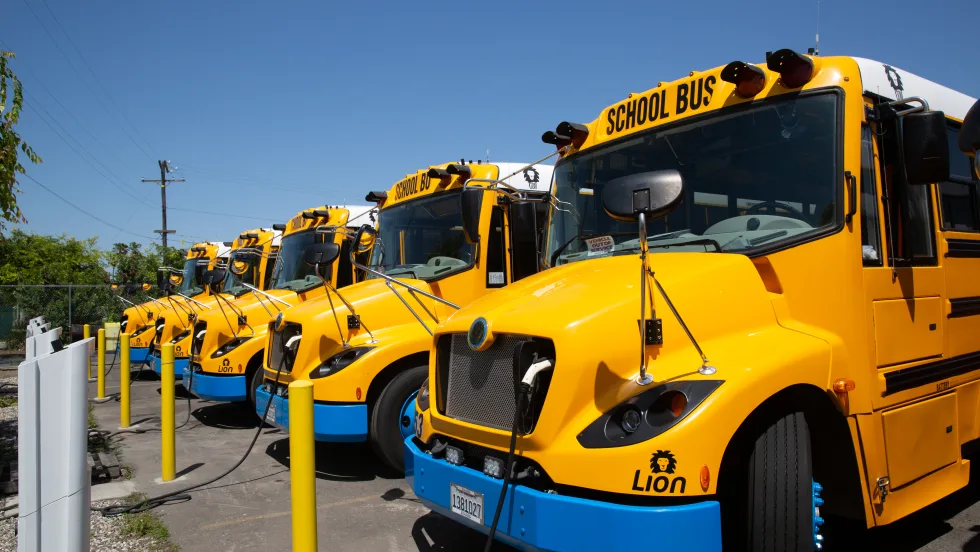
California School Children Ride in Green School Buses
Today, California prides itself on utilizing the most zero-emission (ZE) school buses in the country with over 1,689 being used by California school districts; and while the state is on a positive health trajectory thanks to a decree to eliminate gas and diesel vehicles, more work needs to be done to improve children’s well-being.
Read More →
Behind The Wheel of Childrens’ Safety Aboard the School Bus
Bus drivers are the primary caretakers of children during their commute and thus bear responsibility for their safety. By prioritizing proper operating procedures, maintenance checks, and additional precautions, drivers can help avoid the loss of precious young lives under their care.
Read More →
Trip Sheet: Looking Ahead - Navigating Around Vehicle Automation
FMCSA proposes to amend certain Federal Motor Carrier Safety Regulations (FMCSRs) to ensure the safe introduction of automated driving systems (ADS)-equipped commercial motor vehicles (CMVs) onto the nation’s roadways. The proposed changes to the CMV operations, inspection, repair, and maintenance regulations prioritize safety and security, promote innovation, foster a consistent regulatory approach to ADS-equipped CMVs, and recognize the difference between human operators and ADS.
Read More →