


Don't Miss: Breaking Down Alternative Fuel Infrastructure Costs
First Student Helps Michigan District Transition to Electric School Buses
Pontiac School District in Michigan secures grants totaling $21.575 million from the Environmental Protection Agency and President Biden's infrastructure law to replace its diesel school buses with electric school buses. The initiative aims to improve air quality, reduce emissions, and promote sustainable student transportation, signaling a significant step towards environmental stewardship.
March 21, 2024

First Student helped Pontiac School District secure funding for electric school buses through the Environmental Protection Agency's Clean School Bus Program.
Source: Canva
3 min to read
Pontiac School District in eastern Michigan is set to embark on a groundbreaking journey towards cleaner, greener student transportation, thanks to significant grants from the U.S. Environmental Protection Agency's (EPA) Clean School Bus program and President Biden's Bipartisan Infrastructure Law. The school district will replace its aging fleet of diesel school buses with state-of-the-art electric school buses, marking a pivotal moment in the evolution of school transportation in Michigan.
Funding for School Bus Electrification
The Pontiac School District is set to receive up to $5,925,000 from the Bipartisan Infrastructure Law, providing crucial support to purchase 15 electric school buses. This funding complements the EPA grants totaling $15.65 million, awarded in November 2023 and January of this year. Kevin Matthews, head of electrification at First Student, a key partner in this initiative, highlighted the grants as enabling tangible results in creating healthier and safer communities. First Student's commitment to transition 30,000 diesel buses to electric by 2035 underscores the magnitude of this endeavor.
Dr. Kimberly Leverette, interim superintendent of the Pontiac School District, expressed excitement about the initiative's transformative impact: "The positive impact these buses will bring to the wellbeing of our students and our community as a whole is incredible." With 40 electric school buses set to roll down Pontiac's streets, the district is poised to lead the charge in sustainable student transportation.
In January, the EPA allocated nearly $1 billion to support the purchase of more than 2,700 clean school buses, with 95% expected to be electric school buses. Prioritizing low-income, rural, and tribal communities aligns with President Biden’s Justice40 Initiative, aiming to provide benefits to school districts in marginalized areas. Michigan is receiving more than $17 million to purchase 45 clean school buses, complemented by state legislature's allocation of $125 million for cleaner school bus fleets, enhancing air quality and student health statewide.
President Biden’s Bipartisan Infrastructure Law introduced the $5 billion Clean School Bus Program, facilitating grants and rebates for transitioning to clean, zero-emission buses. Pontiac School District's grant is part of this program's second round, reflecting a commitment to expand clean transportation initiatives nationwide. Additional rounds of funding are anticipated, furthering the program's impact on air quality and student well-being.
Electric School Bus Benefits for School Districts
The transition to electric school buses could herald a host of environmental benefits, reducing air pollution and greenhouse gas emissions in and around schools.
EPA Region 5 Administrator Debra Shore emphasized the significance of changing to to electric school buses, citing their role in mitigating air pollution and enhancing community health. Michigan Department of Environment, Great Lakes and Energy (EGLE) Director Phil Roos echoed this sentiment, lauding the initiative's alignment with Michigan's ambitious climate goals.
Beyond environmental gains, the investment in electric school buses holds economic promise. Senator Debbie Stabenow underscored the importance of bipartisan support in realizing this vision, emphasizing that electric school buses protect both children and communities. Senator Gary Peters echoed this sentiment, highlighting the Bipartisan Infrastructure Law's role in providing safer and more efficient transportation options. Representative Haley Stevens further emphasized the law's contribution to critical transportation without compromising air quality, ensuring a safer and more sustainable future for Pontiac's students.
Elizabeth Hauptman from Moms Clean Air Force applauded the Pontiac School District's leadership in embracing cleaner air solutions: "This achievement speaks to the district's total commitment to cleaner air and a healthier future for our kids."
More Alternative Fuels
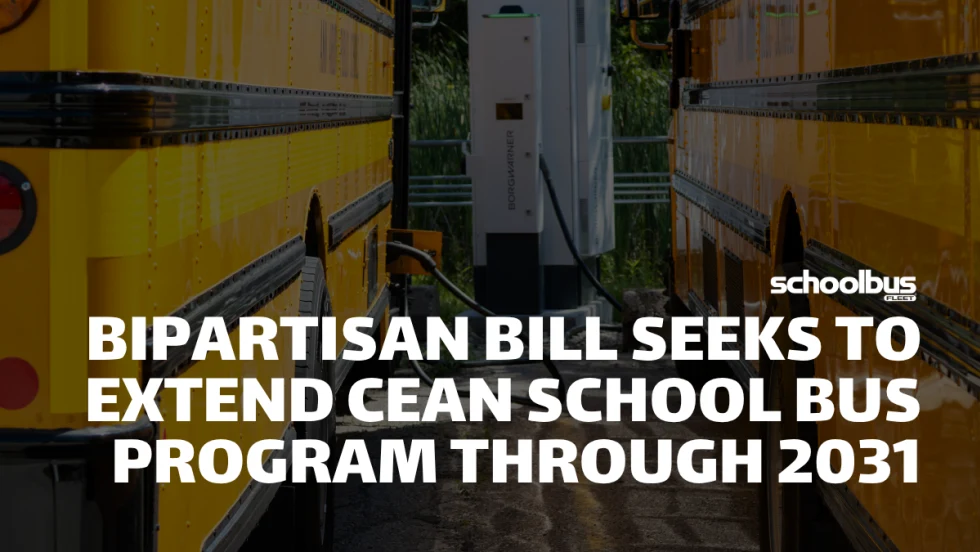
Bipartisan Bill Seeks to Extend Clean School Bus Program Through 2031
The proposed legislation would renew federal support for cleaner school buses as districts navigate funding uncertainty, rising fuel and infrastructure costs, and fleet replacement needs.
Read More →
Alt-Fuel Moves: Electric Bus Rollouts, Bidirectional Charging & Propane Growth
See which fleets are adding electric and propane school buses as districts and operators invest in charging infrastructure, bidirectional technology, and alternative-fuel expansion.
Read More →
Nobody Told Diesel Prices They Were Supposed to Come Down
With diesel prices surging, school bus fleets have new reason to stress-test fuel costs, consider diversification, and calculate what each route really costs to operate.
Read More →
Why Gasoline School Buses Are Making a Comeback
Gasoline is gaining ground in full-size school buses. See how today’s options stack up against diesel on cost, maintenance, emissions, performance, and more.
Read More →
EPA Opens $180M DERA Funding Round for Diesel Upgrades
The 2026 Diesel Emissions Reduction Act program seeks applications from eligible organizations to accelerate the retirement of legacy diesel vehicles.
Read More →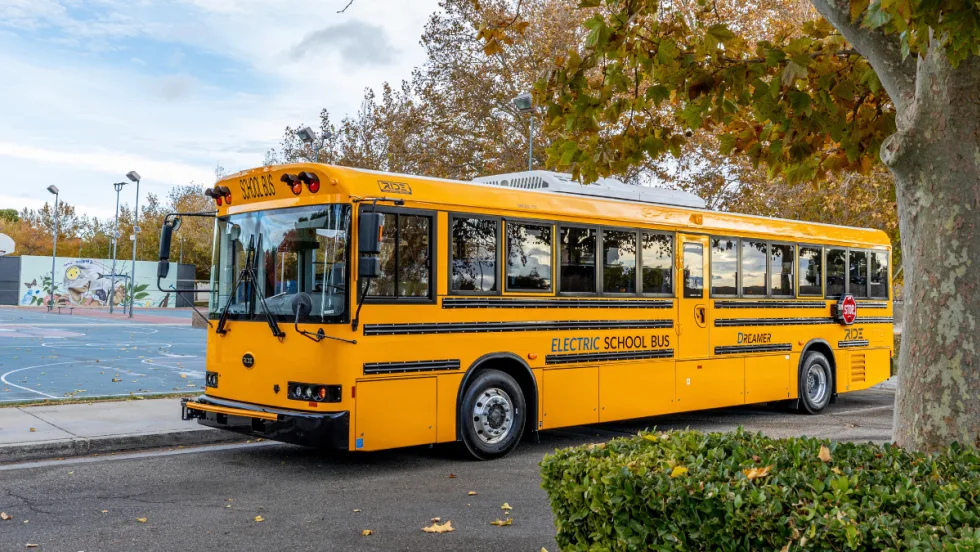
The Secret Life of an Electric School Bus Battery
Batteries change throughout years of daily routes, but degradation doesn’t necessarily mean the end. Here’s what operators should know about performance, safety, and second life.
Read More →
CALSTART and Forth Combine to Form Catalyst Mobility
The new name represents a renewed vision for the nonprofit focused on advancing clean, equitable, and affordable transportation solutions that move people and goods.
Read More →
Alt-Fuel Moves: New Buses, Charging Hubs & Real-World EV Testing
Propane and electric school bus deployments continue to grow as districts add new vehicles, expand charging infrastructure, and gather more real-world operating data.
Read More →
Fewer Electric School Bus Models Reshape the U.S. Market
WRI’s latest buyer’s guide points to a consolidating electric school bus market, but fewer options may reflect a maturing industry rather than fewer meaningful choices for school bus operators.
Read More →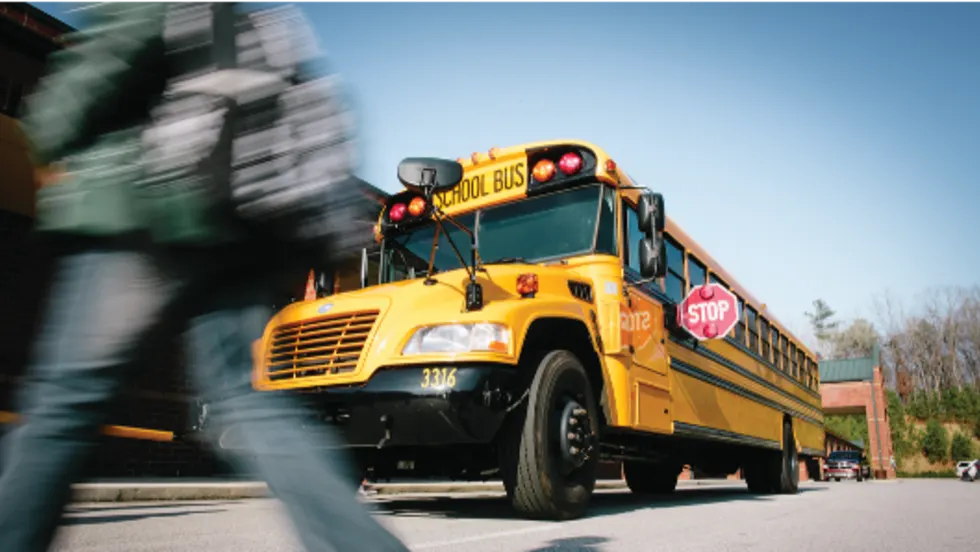
The Fuel Budget You Can Actually Predict: How Propane Autogas Keeps Money in the Classroom
Learn how propane autogas helps school districts manage fuel costs with predictable pricing, lower maintenance, and reduced emissions from former transportation director Joel Stutheit.
Read More →