




SEA Electric Pilots Zero-Emission School Bus
The e-mobility technology company unveiled a Blue Bird Type C bus powered by a SEA-Drive system.


The Blue Bird Type C school bus with a SEA-Drive power system can carry up to 84 passengers.
Photo: SEA Electric
E-mobility technology company SEA Electric has introduced a Blue Bird Type C school bus that uses a SEA-Drive 120b power system.
The pure battery-electric bus can accommodate up to 84 passengers, using technology that has resulted in more than 1.5-million miles of real-world telematics data, according to a news release.
"More and more, schools are looking to the future with zero emissions school bus technology, reducing their carbon footprint while enhancing the air quality around their campuses and local areas," said Mike Menyhart, SEA Electric's President for the Americas and Chief Strategy Officer. "In the history of SEA Electric, we have already seen an incredible movement to switch to electric school bus technology, and we are proud to service the marketplace with the most cost-effective all-electric power system in the world."
At the heart of the model is the SEA-Drive 120b power-system, which has found favor in a wide range of commercial vehicle applications across the globe.
With a maximum power of 335 hp and peak torque of 1,845 lb.-ft., the package has range of up to 150 miles between charges.
"After driving this pilot vehicle myself and comparising to a diesel equivalent driven the same day, it became abundantly clear that this transition must occur in scale and soon," CEO and founder of SEA Electric, Tony Fairweather said. "With the ability to sell at a new Type C EV price of less than $200,000 per vehicle there is no excuse for fleets to not consider EV for any and all future purchases."
The battery solution has a 138kWh capacity and a projected life cycle of more than 10 years, at which time it is envisioned that the cells would be repurposed for continued use.
Standard charging through the integrated onboard charger can be provided through Level 2, Single Phase (208/240 VAC) up to 19.2kW, while optional fast charging is achieved via standard CCS Type 1, Level 3, DC fast charging, at a rate of up to 100 kW.
Notably, the system is also Vehicle-to-Grid (V2G) capable, paving the way for future power grid security and revenue opportunities.
More Alternative Fuels

CALSTART and Forth Combine to Form Catalyst Mobility
The new name represents a renewed vision for the nonprofit focused on advancing clean, equitable, and affordable transportation solutions that move people and goods.
Read More →
Alt-Fuel Moves: New Buses, Charging Hubs & Real-World EV Testing
Propane and electric school bus deployments continue to grow as districts add new vehicles, expand charging infrastructure, and gather more real-world operating data.
Read More →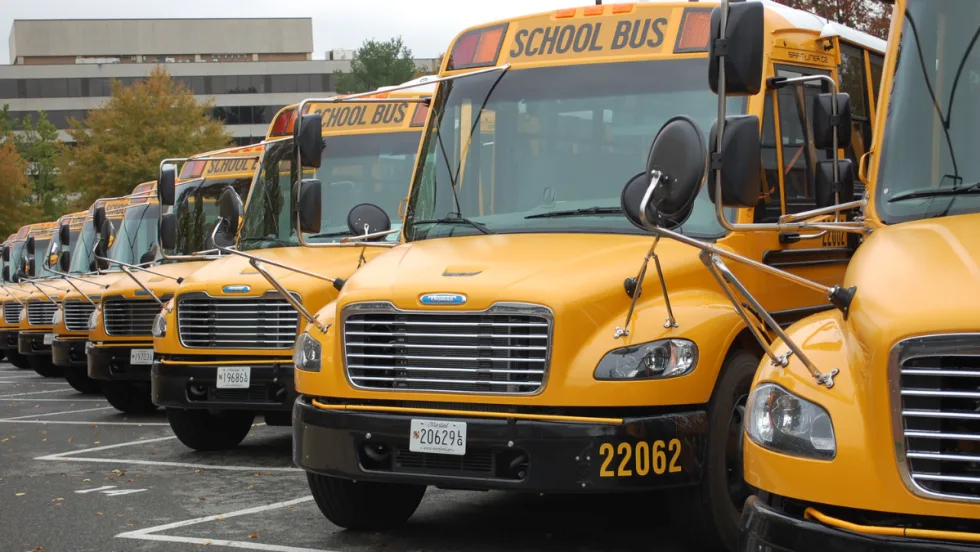
Fewer Electric School Bus Models Reshape the U.S. Market
WRI’s latest buyer’s guide points to a consolidating electric school bus market, but fewer options may reflect a maturing industry rather than fewer meaningful choices for school bus operators.
Read More →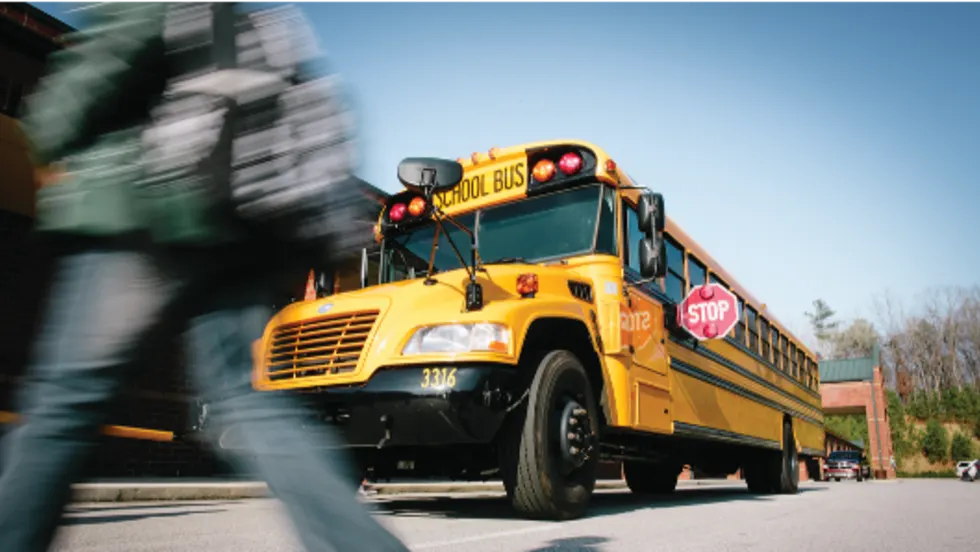
The Fuel Budget You Can Actually Predict: How Propane Autogas Keeps Money in the Classroom
Learn how propane autogas helps school districts manage fuel costs with predictable pricing, lower maintenance, and reduced emissions from former transportation director Joel Stutheit.
Read More →
Hendrickson, Driventic Introduce New Electric Powertrain for School Buses
ELECTRAAX, the electrified, lightweight drive axle offers integrated ePowertrain efficiency and modular flexibility for Class 6–7 school bus use.
Read More →
The Mobility House Joins PowerFlex in Fleet Electrification Deal
The acquisition combines intelligent charging software, bidirectional charging expertise, and fleet electrification services to support the growing adoption of electric school buses across North America.
Read More →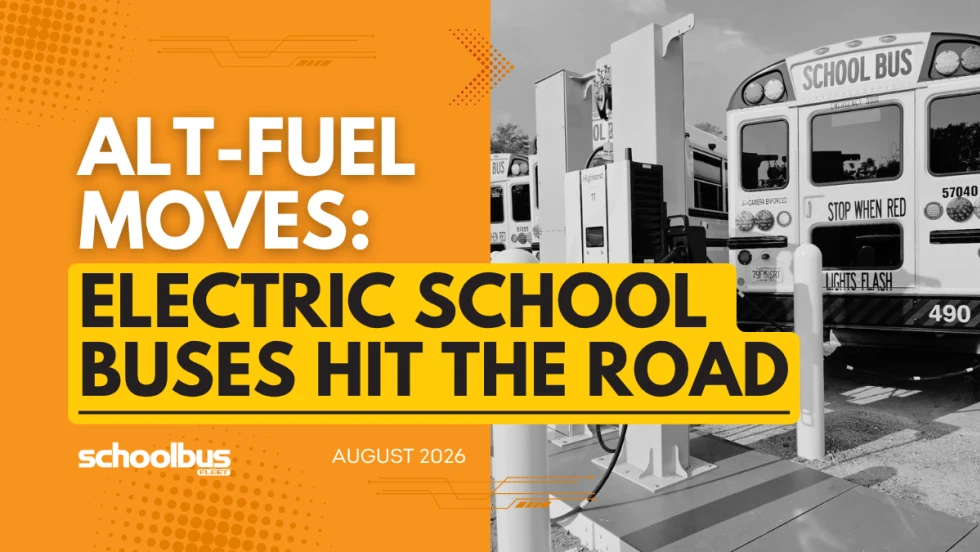
Alt-Fuel Moves: Electric School Bus Investments Hit the Road
See which districts across the U.S. are putting electric school buses into service, expanding charging infrastructure, and planning the next phase of fleet electrification.
Read More →
With Fuel Volatility Ahead, School Districts Turn to Propane
While diesel prices peaked above $5 this spring, districts with propane autogas-powered fleets paid under $2 per gallon, according to PERC.
Read More →
EPA Unveils Proposed Changes to 2027 Heavy-Duty Engine Rules
The federal agency has proposed changes to next year’s targets that would eliminate DEF derates, ease warranty requirements, and retain current NOx emissions standards.
Read More →
Alt-Fuel Moves: EV Charging & Infrastructure Projects Gain Momentum
The latest developments include new funding, charging infrastructure, utility investments, and fleet technologies designed to support the transition to electric school buses nationwide.
Read More →