




Don't Forget: 6 Things to Know About the ELDT
Beginning Feb. 7, obtaining a CDL will become more detailed, and will likely take more time. Here’s what you need to know.

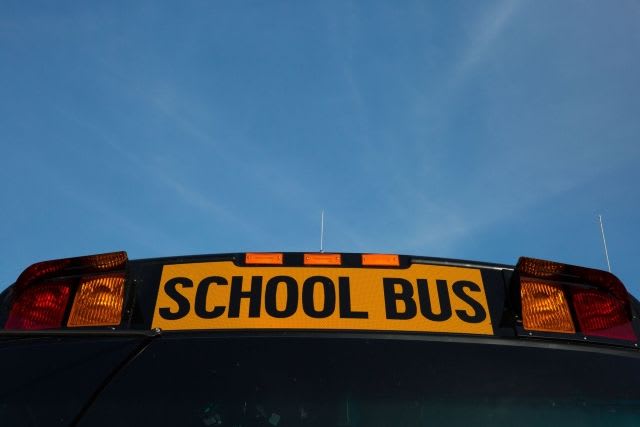
Starting Feb. 7, obtaining a CDL to operate a school bus will become more detailed.
File photo
In just a few weeks, the Federal Motor Carrier Safety Administration (FMCSA)’s Entry-Level Driver Training (ELDT) regulations are set to take effect. The regulations set minimum federal requirements for training, which entry-level drivers must complete before they are permitted to take certain Commercial Driver’s License (CDL) skills or knowledge tests on or after Feb. 7.
What Are the New Regulations?
All new school bus drivers must complete a theory and behind-the-wheel training program, achieve at least 80% on an exam on the classroom content, and demonstrate proficiency on ELDT’s behind-the-wheel skills before they take the CDL test. The training must be provided by a registered training provider.
Jeff Cassell, president of School Bus Safety Co., previously told School Bus Fleet, “These ELDT regulations set a single federal standard for commercial driver licensing. They are the biggest change in the industry in 40 years.”
Who Does This Apply To?
This law impacts drivers who are applying for their initial Class A or Class B CDL, upgrading their current CDL, or who are obtaining a hazardous materials endorsement for the first time.
Who Can I Get My Training From?
All entry-level driver training instruction must be provided by a school or entity listed on the Training Provider Registry (TPR). To be eligible for a listing, training providers must fill out a form. Currently, over 9,600 training locations are registered.
Joshua Jones with the U.S. Department of Transportation’s CDL division told SBF the department has made outreach efforts, including webinars and online advertisements, to inform trainers that they need to apply for the TPR.
Who Happens if I Complete Training with a Facility that Has Been Removed from the TPR?
Jones says any training conducted after the date of the training facility’s removal from the TPR will be considered invalid.
What Do I Do After I Have Completed My Training?
After you complete the training, you must electronically transmit your training certification through the TPR website. You must do that by midnight of the second business day after you complete your training. This will provide proof to your state’s driver licensing agency that you have completed ELDT, and are eligible for CDL or endorsement testing.
What if I Already Have My CDL?
The ELDT regulations are not retroactive. That means if you were issued a CDL or an S, P, or H endorsement prior to Feb. 7, you are not required to complete training for that CDL or endorsement. However, if you are upgrading your current CDL or obtaining a hazardous materials endorsement for the first time, as mentioned above, you are impacted.
SBFpreviously reported that Ohio had asked to be exempted from the ELDT, because training providers already must register in their state system. Jones tells us the outcome of that request is not published yet. He also says no other states have requested an exemption.
More Management

How to Build a Better Driver Training Program
Ready to boost up your school bus instructor training? Here’s how to pick the right talent and improve recruitment, retention, and safety.
Read More →
CALSTART and Forth Combine to Form Catalyst Mobility
The new name represents a renewed vision for the nonprofit focused on advancing clean, equitable, and affordable transportation solutions that move people and goods.
Read More →
What Makes a Great School Bus Driver Trainer?
Choosing the right school bus driver trainer takes more than experience. Learn six keys to selecting and developing trainers and evaluating program effectiveness.
Read More →


School Bus Contractors Expand Through New Deals, Acquisitions & Partnerships
STA's Canadian division acquires Ontario-based G&L Stevenson Transport while Durham School Services adds a new district contract in California, First Student adds a New Jersey contract, and Minnesota Coaches acquires Halo Transportation.
Read More →
Logan Bus Company Rolls Out AI Phone System for NYC School Bus Families
A summer pilot found that AI agents could handle most routine calls, freeing up time for customer service staff to focus on emergencies and complex family concerns.
Read More →
From Intent to Impact: What I Learned About Leadership from TAPT
A Texas transportation supervisor shares lessons on self-awareness, accountability, managing stress and building trust — and why investing in leadership development matters at every stage of your career.
Read More →
NAPT Names 2026 Award Recipients, Hall of Fame Inductee
Who earned national recognition for their work in student transportation? This year, NAPT named five recipients of its 2026 awards for service, safety, and leadership, plus its newest Hall of Famer.
Read More →
2026 State of Student Transportation Report
Driver shortages. Rising costs. Growing safety expectations. More data, but not enough time to act on it. The 2026 State of Student Transportation Report reveals what transportation leaders say is putting the most pressure on their operations—and where they’re investing next. See how your priorities compare.
Read More →
How to De-Escalate an Angry Person: 5 Steps for Handling Workplace Conflict
What makes emotions run high, and how should you handle an angry colleague or parent? Follow these steps for staying calm, listening, showing empathy, and resolving conflict.
Read More →
What Readiness Looks Like This School Year
Learn about the challenges shaping the 2026–2027 school year, from persistent driver shortages and budget pressure to technology and readiness gaps. See how school districts are responding and adapting in Zonar’s 2026 Back-to-School Readiness Report.
Read More →