




School Districts Gear Up for In-Person Learning Amid New CDC Guidance
As school districts across the U.S. prepare for a return to classrooms this fall, the CDC updates its guidance for K-12 schools by urging them to reopen for in-person learning and maintain at least 3 feet of physical distance between students, combined with indoor mask wearing.

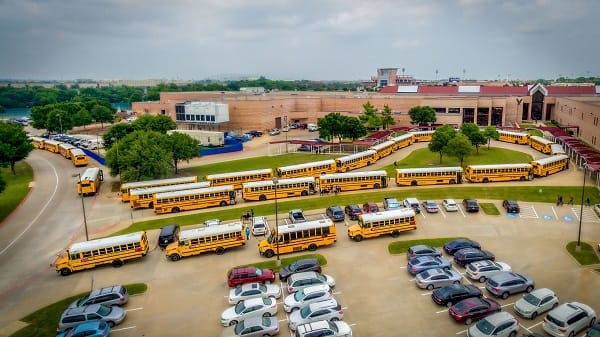
According to community events data service Burbio, 69.7% of K-12 students are attending traditional, in-person learning.
Photo courtesy Mitzi Bowers
As school districts across the U.S. prepare for a return to classrooms this fall, some still have virtual and hybrid learning plans in place as a new, more aggressive variant of COVID-19 is causing cases to rise once again.
As of Monday, according to Burbio, a community events data service that tracks school openings, 2.1% of U.S. K-12 students are currently attending schools that offer virtual-only plans, 28.2% are offering hybrid plans, and 69.7% of K-12 students are attending traditional, in-person learning. As School Bus Fleet previously reported, in March, the remote learning model has continued to decline as revised social distancing guidelines are expected to accelerate school reopenings.
On Friday, the Centers for Disease Control and Prevention (CDC) issued updated school reopening guidance, that encouraged a safe return to in-person learning for the start of the 2021-22 school year and for schools to maintain at least 3 feet of physical distance between students within classrooms, combined with indoor mask wearing by people who are not fully vaccinated, to reduce transmission risk.
“When it is not possible to maintain a physical distance of at least 3 feet, such as when schools cannot fully reopen while maintaining these distances, it is especially important to layer multiple other prevention strategies, such as indoor masking,” the CDC stated in its guidance, which also recommends the use of testing and quarantining.
Regardless of a school’s mask policy, the CDC states that all passengers and drivers must wear a mask on school buses, including on buses operated by public and private school systems, subject to the exclusions and exemptions in CDC’s Order. For example, if a student attends a school where mask use is not required due to vaccination status (e.g., a high school with a high rate of vaccination among students and staff), the student is still required to wear a mask on the school bus.
According to Burbio, seven states are currently prohibiting schools from mandating masks. Schools in Utah, Arizona, Texas, Oklahoma, Arkansas, Iowa, Vermont, and South Carolina are reportedly only able to recommend masks to unvaccinated staff and students.
Meanwhile, in California, schools announced that they will continue requiring masks, citing the layered language around situations where 3 feet distance are not achievable, as well as the desire to treat all students equally.
Additionally, with the CDC’s updated guidance on testing and quarantining, several school districts have implemented policies to ensure student and staff safety.
In Illinois, Plainfield Community Consolidated School District 202 has outlined several quarantine rules for students who have signed up for the district’s saliva test program (3 foot rule) versus those who have not (6 foot rule). At Elkhart (Ind.) Community Schools, asymptomatic, unvaccinated students identified as close contacts will be able to attend school but will have to wear a mask and maintain a 6-foot distance while eating. Schools in Colorado and Maine have also adopted new, specialized testing programs, including one which features a pooled testing system.
While there has been widespread discussion about the new Delta variant of COVID, according to Burbio, most districts have not announced revised plans for a return to the classroom.
Shawnee Mission School District in Kansas plans to move forward with in-person learning on July 27, and Metropolitan School District of Wayne Township in Indiana is following suit a day later, on July 28. School districts in Georgia, Hawaii, and Arizona, are also gearing up for in-person instruction during the first week of August.
As for hybrid learning plans, they are still in place for some schools in states like Wisconsin, Connecticut, Pennsylvania, and Michigan, as they offer variations of independent virtual study mixed with in-person learning.
View Burbio's K-12 school opening tracker and school mask policy tracker.
More Safety
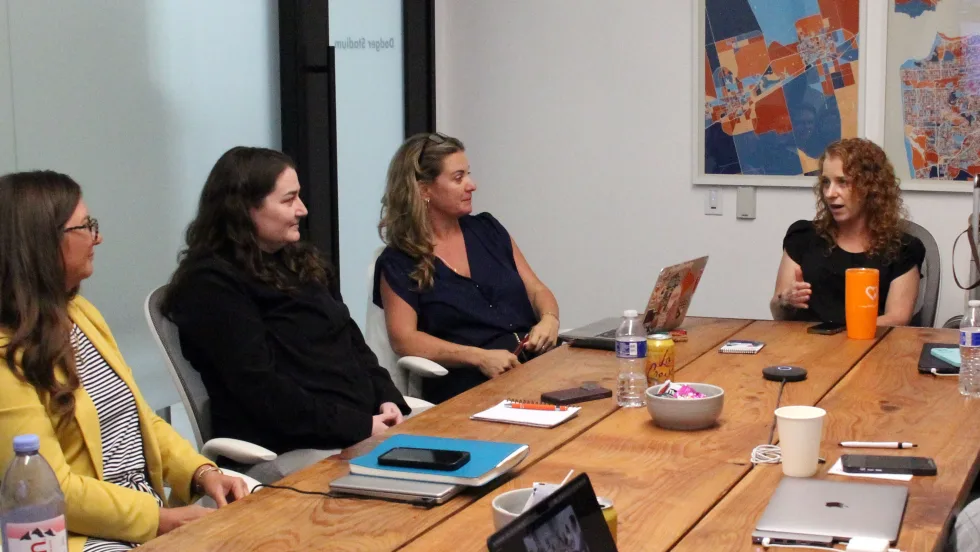
HopSkipDrive Reports Progress on Safety Advisory Council
More than a year after forming the council, independent safety experts have helped shape new rider-safety features and policy progress, with a new goal to address rider behavior.
Read More →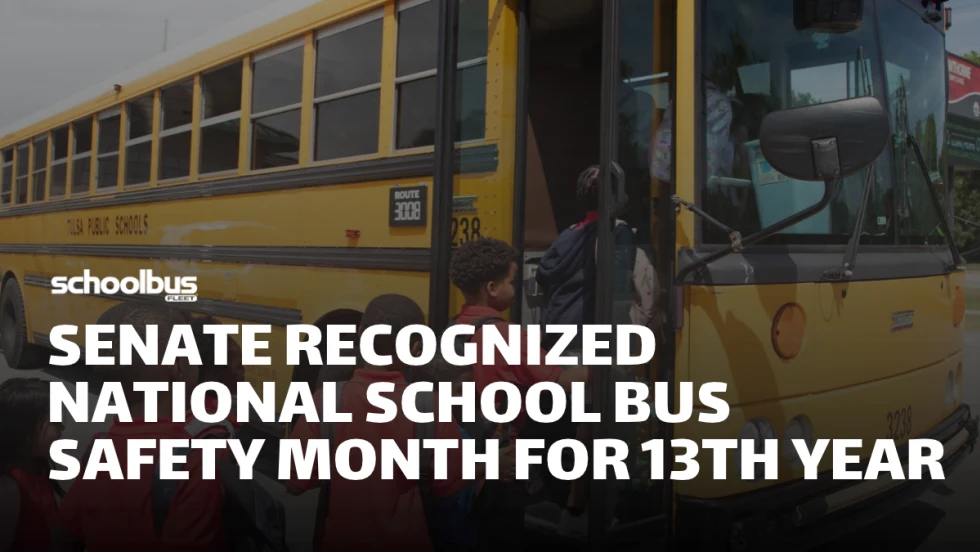
What the 2026 National School Bus Safety Month Resolution Means for Student Transportation
The bipartisan resolution highlights illegal school bus passing, student safety during loading and unloading, and the need for driver training and public education.
Read More →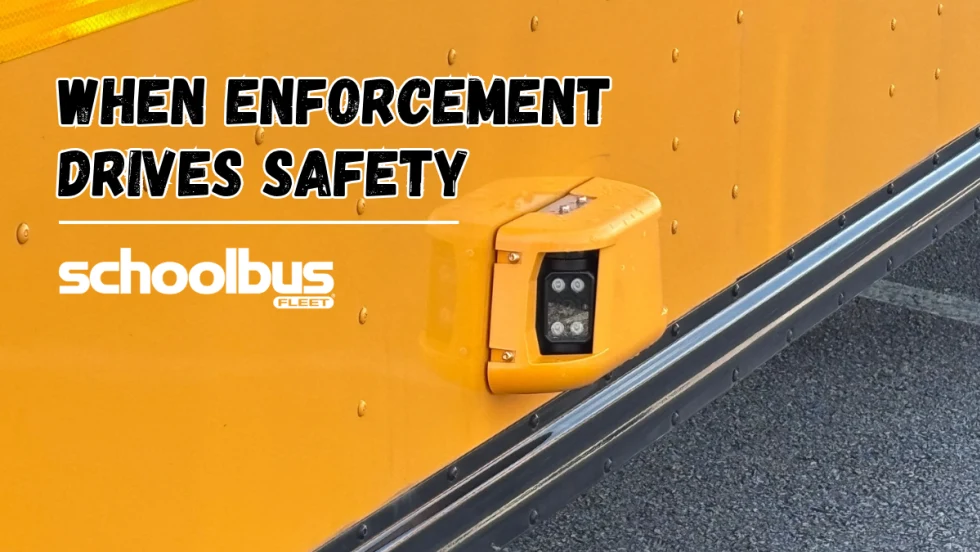
School Bus Stop-Arm Violations Decline 53% Across Verra Mobility Programs
Verra Mobility shares how school bus stop-arm cameras and school zone safety programs are changing driver behavior, reducing violations, and protecting students.
Read More →
Most Bus Crashes Aren’t Your Fault. Here’s How to Prove It.
A guide for what to do in between a school bus crash and a claim: what to preserve, who to notify, and how to keep the facts available when they matter.
Read More →
National School Bus Safety Week 2026: Tips, Toolkits & Resources to Keep Students Safe
School bus safety takes more than awareness. Explore expert tips, enforcement strategies, and free resources to help protect students on every ride.
Read More →
2 Killed, Dozens Injured in Florida School Bus Crash
A multi-vehicle collision caused a Polk County school bus carrying 37 students to overturn on its way to Winter Haven High School.
Read More →
Illegal School Bus Passing Drops 24% in New York Districts
With fewer than 5% of citations involving repeat offenders, Westchester County officials said enforcement, education, and community partnerships are helping change driver behavior.
Read More →
School's Back. Here's What Happened to Traffic, Speeding & Distraction
What happens to traffic when school resumes? New data analysis examines changes in distracted driving, congestion, and speeding around schools.
Read More →
Geotab Expands Fleet Safety Tools With Video Coaching, Risk Insights
New safety and video capabilities aim to help fleet managers assess risk, support drivers, and take targeted action through video coaching, red-light violation detection, and more.
Read More →
How to Build a Better School Bus Driver Training Program
Is it time to strengthen your driver training? Here’s how to pick the right talent and improve recruitment, retention, and safety. This video is brought to you by IC Bus.
Read More →