




Related: 8 Tips for Cleaning School Buses in the Age of Coronavirus
New School Bus Routines Include Ramped Up Cleaning, Temperature Checks
Intensified procedures at districts in Vermont, Illinois, and Ohio, include more cleaning time, spraying and fogging, and student temperature checks done by monitors. One district has installed temperature scanning devices on all buses.

Nicole Schlosser・Former Executive Editor
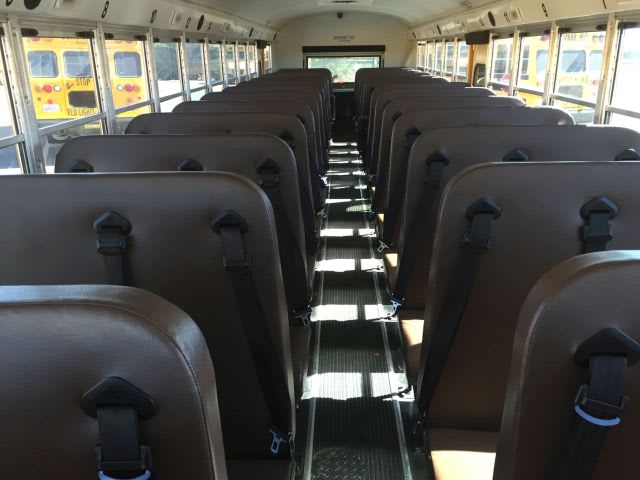
Pupil transporters are putting in place plans for intensified cleaning procedures, and in some cases are including temperature checks on buses.
File photo courtesy Elk Grove (Calif.) Unified School District
3 min to read
As in-person instruction becomes available at more schools across the U.S., pupil transporters are putting into place plans for intensified cleaning procedures, and in some cases are including temperature checks on buses.
In Vermont, Barre Union Unified School District’s transportation department staff is cleaning all surfaces on each bus between every run, according to a transportation page on the district's website. Hand sanitizer is available on each bus, seat belt use is discouraged to minimize contact between students, and bus monitors conduct a temperature screening of each student before they can board the bus, according to the website. If a student's temperature is over 100 degrees Fahrenheit, the web page states, “they will be sent home until they are fever free, without the use of any medication, for a minimum of 24 hours.”
The district opened a hybrid in-person learning program on Sept. 8, according to its Facebook page.
Additionally, Stacy Emerson, the operations manager for Student Transportation of Vermont and Mountain Transit, told WCAX that for the multiple districts she serves, drivers now completely spray the bus with a cleaning solution regulated and recommended by the Centers for Disease Control and Prevention that they let sit for 10 minutes, then clean their own driving area and where the students load and unload, including the handrails.
Emerson also told the news source that the amount of time involved in cleaning procedures has changed significantly: the frequency is two to three times minimum per day, in an effort to maintain student and staff safety.
Similarly, in Illinois, Maroa-Forsyth School District bus drivers are wiping high-touch surfaces after each route, buses are being fogged after each route, and bus monitors are conducting temperature checks of each student before they enter the bus, according to the district’s website.
Meanwhile, Ohio’s Howland Local Schools published a school restart plan on its website that said it would use electrostatic disinfectants on its buses before the start of the school year, and would continue disinfecting measures after a.m. and p.m. routes.
The district also installed temperature scanning devices on all the buses in its fleet, WKBN reports. The students place their foreheads within four inches of the scanner for one second and then either a green indicator light (no temperature) or a red indicator light (temperature indicated) flashes, according to the news source.
Students with a red-light result are required to leave the bus and return home; however, if their guardian is not home and the student is too young to stay home without a guardian, according to WKBN, the student will use the hand sanitizer provided on the bus, sit in the front passenger seat, and the driver will call the principal to notify them that a student with a temperature is on board so that the student can be examined by the school nurse.
More Safety

How to Build a Better School Bus Driver Training Program
Is it time to strengthen your driver training? Here’s how to pick the right talent and improve recruitment, retention, and safety. This video is brought to you by IC Bus.
Read More →
Recent School Bus Accidents Leave 2 Dead, 2 Injured
Four school bus crashes in Florida, Illinois, and Georgia highlight risks in transportation lots, at bus stops, and during student loading and unloading.
Read More →
Sponsored•September 8, 2026
When Every Second Matters, Clarity Keeps Routes Moving
From routine delays to urgent incidents, strong communication practices help drivers, dispatchers, schools, and families respond with confidence.
Read More →

What Happens When a School Bus Catches Fire — and What Can Help
School bus fires are rare but can be devastating. Learn how advances in fire suppression and asset protection help fleets detect fires earlier, reduce damage, and improve safety.
Read More →
Geotab Launches Tool to Help Fleets Investigate Road Incidents
Geotab Investigations combines telematics data, video, documents, and other evidence to help fleets reconstruct incidents, resolve claims, and determine what happened.
Read More →
Texas Sixth Grader Wins 2026 National School Bus Safety Poster Contest
Sai Darshana Yekolu of Moseley Middle School in Prosper, Texas, was named the newest winner for her artwork, bringing the theme of “Safe Rides, Everyday Heroes” to life.
Read More →
Sponsored•August 27, 2026
Doing More With Less: How Transportation Directors Can Prioritize Safety Amid Budget Uncertainty
With diesel prices soaring and nearly one-third of transportation directors expecting budget cuts, maintaining student safety has never been more challenging. Download this guide to learn how leading districts are prioritizing risk, funding critical safety technology, and building stronger budget cases with data.
Read More →
Walton County Schools Adds Gatekeeper Stop-Arm Enforcement System
The Florida district will deploy Gatekeeper’s updated Student Protector technology, which now incorporates AI to improve video evidence.
Read More →
How To Build a More Secure School Bus Yard During and After Hours
As thefts and overnight security threats continue, school transportation leaders are combining stronger operational practices with AI-enabled surveillance to better protect buses, facilities, and staff.
Read More →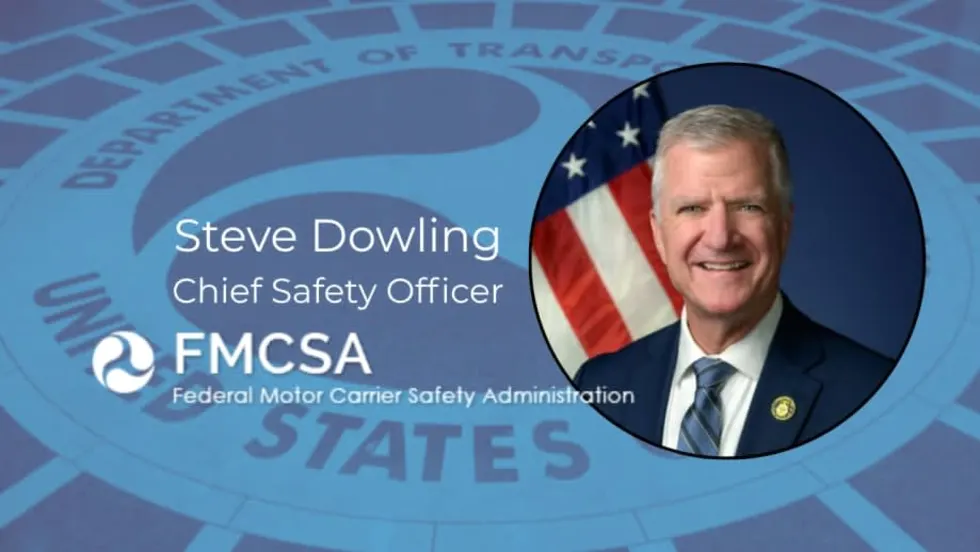
FMCSA Names New Chief Safety Officer: What School Bus Operators Should Know
Steve Dowling is set to lead the federal agency's efforts to advance commercial motor vehicle safety and reduce crashes, fatalities, and injuries on the nation's roadways.
Read More →