




Alabama study: Seat belts result in negative cost benefits
Study finds rate of seat belt use of 61.5 percent. Equipping buses with seat belts also resulted in capacity loss of 5 to 18 percent. Researchers suggest funding would be better spent on danger zone safety improvements.

BIRMINGHAM, Ala. — The University of Alabama (UA) has released a report on the results of its study exploring the implementation of seat belts on school buses.
The three-year project was conducted for the Governor's Study Group on School Bus Seat Belts and the Alabama State Department of Education.
"This has been my favorite research project in a 35-plus-year career," said Dr. Dan Turner, the UA professor who led the study. "Most people in life never have an opportunity to work on a project of this magnitude, especially with such dedicated people. I am grateful that the Governor's Study Committee had the foresight to realize that someone needed to do this research, and the courage to step forward and organize the project in Alabama."
Joe Lightsey and Brad Holley of the pupil transportation section of the Alabama State Department of Education also helped manage the project, Turner said. "They exhibited deep concern for pupil safety at each step over the past three years," he noted. Four other UA faculty members, five staff members and 19 students helped conduct the research. "[They] knew that the outcome of this project would be a driving influence in future pupil safety," Turner told SBF.
The study examined the rate of seat belt use, the effects on bus discipline, the attitudes of stakeholders, the loss of capacity attributable to seat belts and the cost-effectiveness of the belts.
Key findings of the study include:
• The addition of seat belts would make already-safe school buses even safer.
• Based on 170,000 observations of pupils in pilot-project buses, this project established an average seat belt use rate of 61.5 percent.
• This study found thicker seatbacks and fixed buckle spacing could cause capacity losses of 5 to 18 percent, depending on the configuration of seats and rows. The bus fleet would need to expand 5 to 18 percent to offset the capacity loss.
• Using methodology from the National Highway Traffic Safety Administration in which the cost of an equivalent life saved is equal to $32 million to $38 million, researchers determined that the net benefit for seat belt implementation over one fleet life cycle would be between -$104 million and -$125 million. The negative net benefit suggests using more cost-effective safety measures rather than implementing seat belts across large school bus fleets, the researchers said.
• Most school bus pupil fatalities occur outside buses in or near loading zones. According to the researchers, if funding is to be spent on school bus safety, it appears more lives could be saved by investing in enhanced safety measures in loading/unloading zones. These treatments are likely more cost-effective than seat belts, the researchers said.
To read the full study report, click here.
More Management

Zum Secures Continued Financing Support for School Bus Expansion
Generate Private Credit has financed approximately $75 million in school bus deployments across three states, supporting more than 500 buses as Zum expands across the county.
Read More →
Beyond Discipline: A Different Approach to Student Behavior on the Bus
After implementing a dean of students program in Oregon, North Clackamas is seeing positive improvements. Here’s how it worked. The Route is brought to you by IC Bus.
Read More →
A Dean of Transportation's Different Approach to Student Behavior on the School Bus
After implementing a dean of students program in Oregon, North Clackamas is seeing positive improvements on the bus. Here’s how it worked.
Read More →
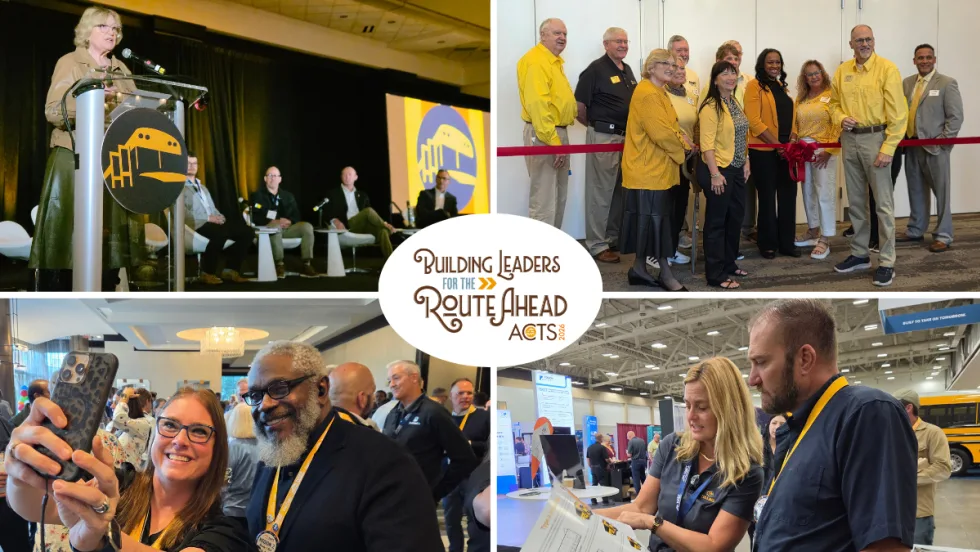
Inside NAPT ACTS 2026: Highlights from Louisville
From federal updates and student behavior strategies to new school bus technology and industry awards, see highlights from NAPT ACTS 2026 in Louisville.
Read More →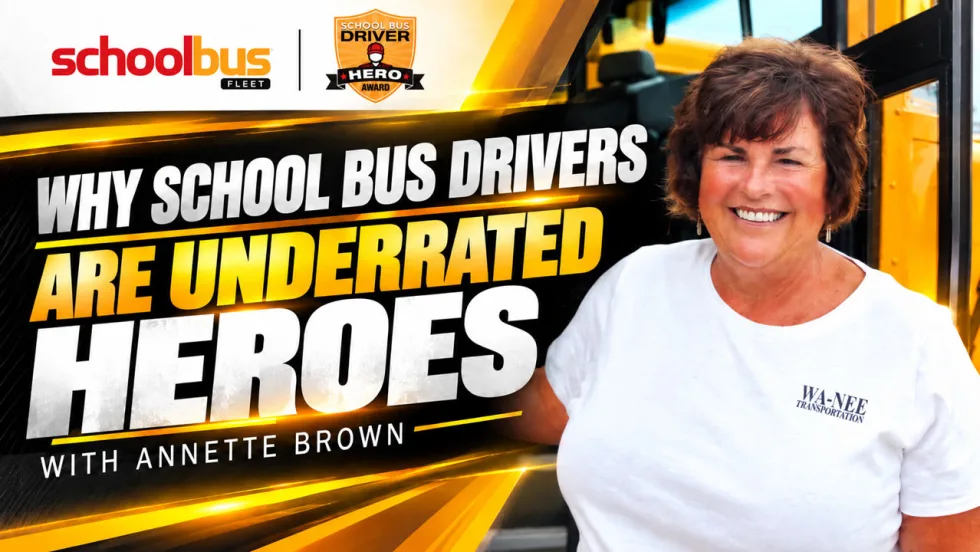
Meet the 2025 School Bus Driver Hero Winner: Annette Brown
We caught up with Wa-Nee Community Schools' Annette Brown on site at SBFX, where she was named the 2026 School Bus Driver Hero Award winner. Hear about her reaction, what she loves most about being a school bus driver, and more!
Read More →
Predictability Is Like Ketchup (According to 6-Year-Olds)
To students, a different school bus can feel like a full-blown crisis. One driver reflects on why familiar routines, showing up on time, and being reliably boring matter more than we think.
Read More →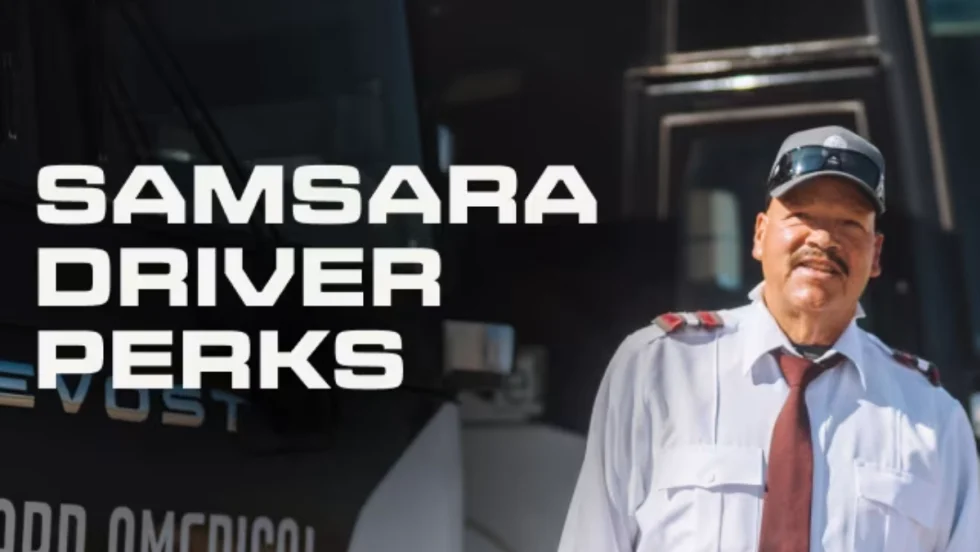
Samsara Launches Free Driver Rewards Program
The new Driver Perks program gives eligible professional drivers access to discounts and offers without adding a cost for participating fleets.
Read More →
How Tax-Exempt Municipal Leases Can Help Finance School Buses
Let’s explore school bus financing options, including municipal leases, vendor payable accounts, and balloon payments, and how they can help stretch fleet budgets.
Read More →
Nominate Rising School Transportation Pros Under 40!
We’re searching for the next generation of leaders making an impact across the K-12 student transportation industry to recognize as SBF’s 2027 Trailblazers. Nominations are open now!
Read More →
Changing Lanes: BusWhere, EverDriven, InterMotive, Summit School Services, Switzer-Carty & Thomas Built Buses
Check out who's been hired, promoted, and appointed to leadership positions at various school transportation suppliers, contractors, and manufacturers.
Read More →