



Blue Bird: 2010 emission-compliant bus sales exceed 5,000
The manufacturer says that customers are seeing fuel economy savings with its school buses equipped with SCR to meet the EPA standards. An Indiana transportation director gives details on his district’s experience with the technology.

[IMAGE]309[/IMAGE]
FORT VALLEY, Ga. — Blue Bird Corp. reported on Monday that more than 5,000 of its school buses equipped with 2010 selective catalytic reduction (SCR) technology have been sold.
The manufacturer’s buses use Cummins engines with SCR to meet the U.S. EPA’s 2010 emissions standards. Blue Bird said that the solution is being met with “rave reviews.”
In Indiana, Community School Corp. of Eastern Hancock County purchased a Blue Bird Vision to test the SCR technology firsthand.
“Our 2010 Vision has proven itself,” said Carl Ingram, director of transportation for the district. “With the SCR technology, we expected to see some additional efficiency in fuel economy, but we were blown away when we continuously calculated the bus was getting approximately 11.5 miles per gallon.”
He noted that the district’s routes primarily cover rural, hilly terrain.
“With SCR being utilized in Europe for many years, I knew the technology was safe and proven,” Ingram said. “However, we didn’t realize the magnitude of savings that our Blue Bird Vision provides — it’s substantial.”
Blue Bird said that other school districts and contractors across North America have also been reporting fuel economy advantages with the SCR technology.
More Alternative Fuels

EPA Unveils Proposed Changes to 2027 Heavy-Duty Engine Rules
The federal agency has proposed changes to next year’s targets that would eliminate DEF derates, ease warranty requirements, and retain current NOx emissions standards.
Read More →
Alt-Fuel Moves: EV Charging & Infrastructure Projects Gain Momentum
The latest developments include new funding, charging infrastructure, utility investments, and fleet technologies designed to support the transition to electric school buses nationwide.
Read More →
Alt-Fuel Moves: Fleets Power Up Beyond the Bus
See how districts are pairing electric buses with charging, solar, and V2G technology to cut costs, boost resilience, and unlock new fleet value.
Read More →
What the EPA’s Updated Clean School Bus Program Means for Fleet Electrification in 2026 and Beyond
A guide to the EPA’s evolving school bus grants, including how the Trump administration changed funding priorities and how school districts can prepare for future bus purchases.
Read More →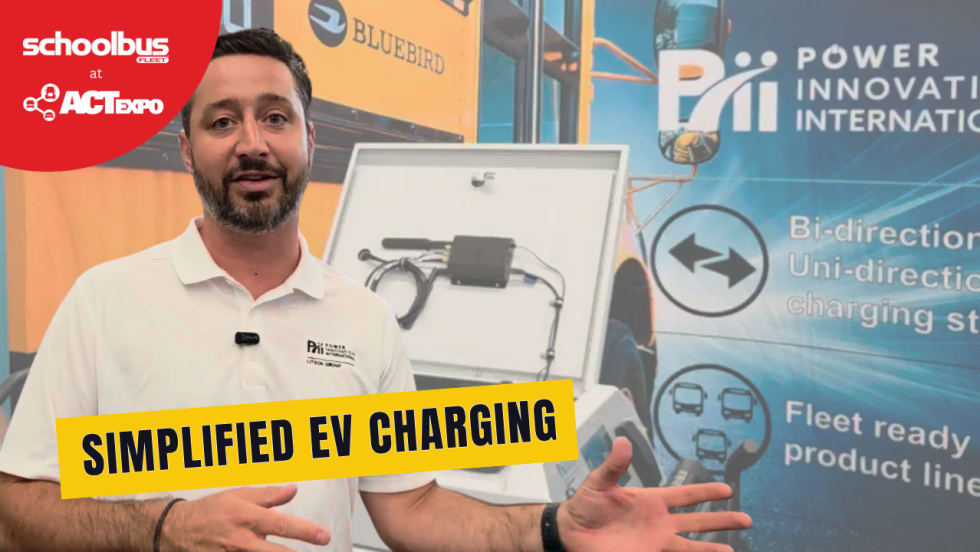
A Solution Helping School Buses Charge Without Major Infrastructure Upgrades
Power Innovations International dishes on its EV charging technology designed to reduce infrastructure barriers, improve reliability, and support V2G applications for school bus fleets.
Read More →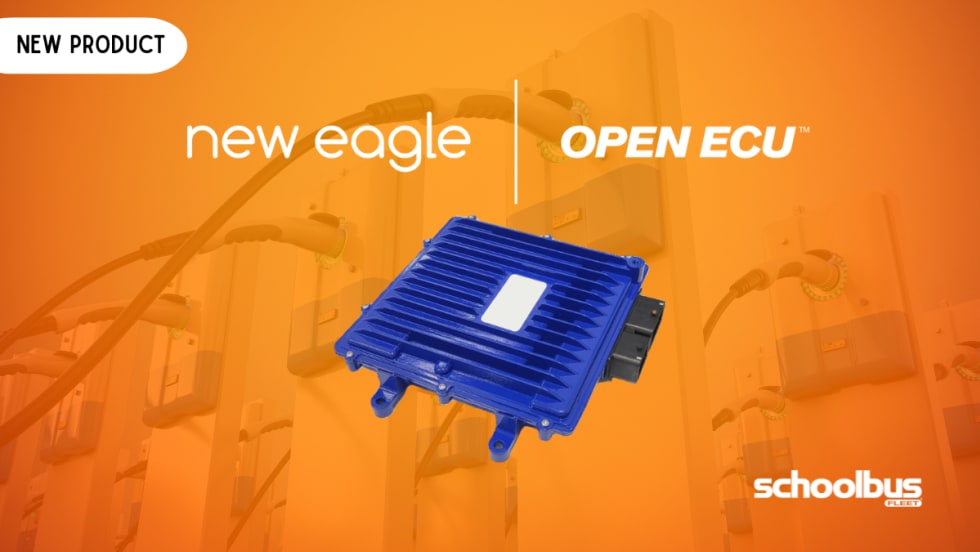
New Eagle Launches All-in-One EV Control Platform
The new OpenECU NX3 platform integrates charging and vehicle controls into a single platform, with support for megawatt charging and vehicle-to-grid technologies.
Read More →
GreenPower Unveils New Heating Solution for Type A Bus
The all-electric bus manufacturer's new product aims to eliminate cold-cabin issues on its Nano BEAST zero-emission school buses operating in cold climates.
Read More →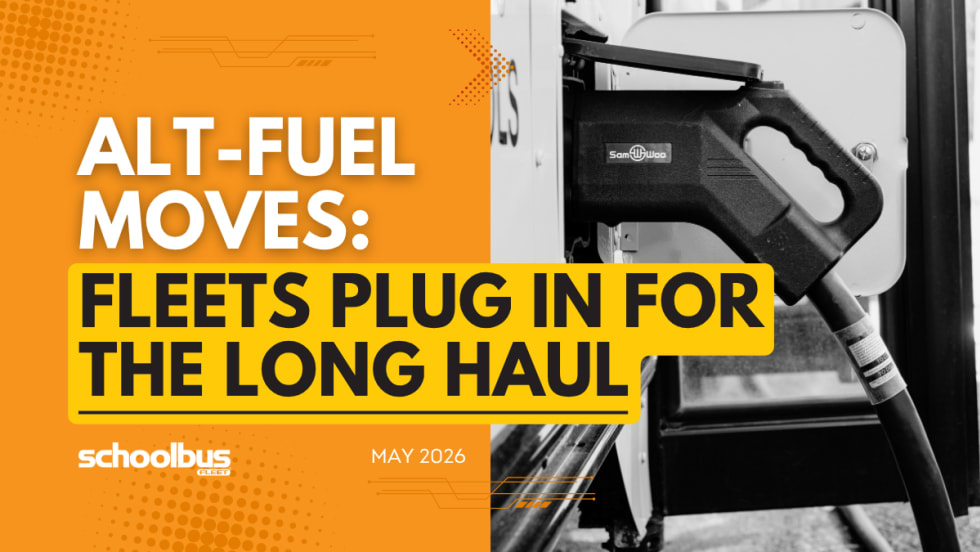
Alt-Fuel Moves: Fleets Plug In for the Long Haul
School districts across the U.S. are moving electric school bus plans into operation, with new fleet deployments, charging infrastructure, and long-term electrification partnerships taking shape.
Read More →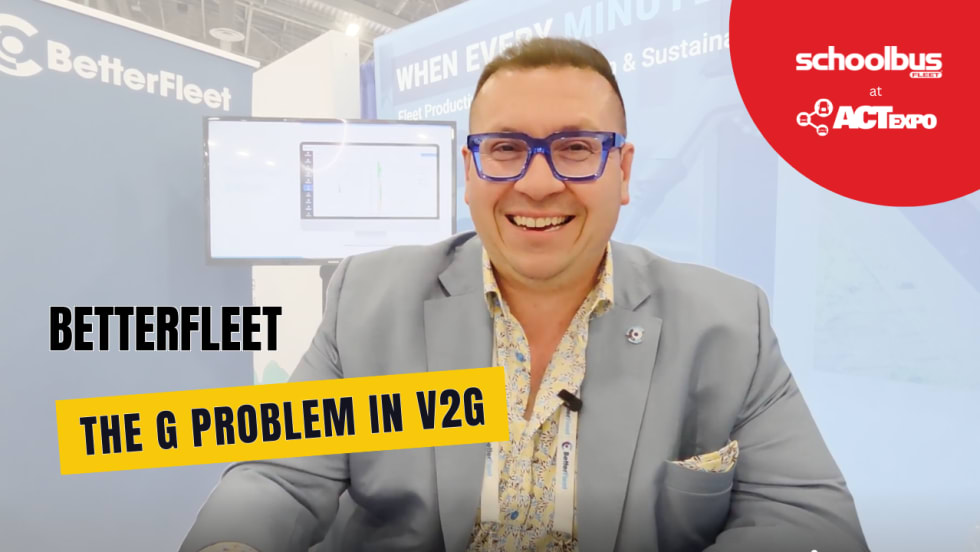
The Achilles Heel of School Bus Electrification: BetterFleet’s Take
BetterFleet’s managing partner discusses AI-powered EV fleet management, vehicle-to-grid challenges, and the real challenges in bus electrification today, from ACT Expo.
Read More →
You're On Your Own to Pick a Drivetrain [Op-Ed]
After years of federal pressure toward electric school buses, districts are suddenly being told to choose their own path. Let’s explore the risks, realities, and politics behind school bus drivetrain decisions.
Read More →