




Sharp Bus Lines Buys 60 New School Buses With 360-Degree Cameras, Collision Avoidance
The Canadian contractor’s new Thomas Built Saf-T-Liner C2 buses are equipped with the Perimeter View 360 camera package and Mobileye collision avoidance.

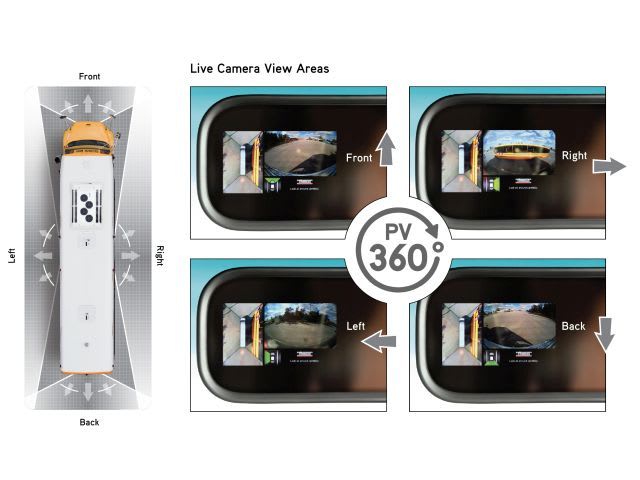
Sharp Bus Lines’ new Thomas Built C2 school buses are equipped with the Perimeter View 360 camera package, seen here.
Sharp Bus Lines’ new Thomas Built C2 school buses are equipped with the Perimeter View 360 camera package, seen here.
BRANTFORD, Ontario — Sharp Bus Lines has acquired 60 new Thomas Built Saf-T-Liner C2 school buses with technology aimed at enhancing the driver's view around the vehicle.
The new diesel buses are Sharp’s first to be equipped with the new Perimeter View 360 camera package (PV360) and Mobileye collision avoidance through Thomas Built Buses. Both systems are part of Thomas Built’s BusWise suite of technologies.
“As a company, we pride ourselves on delivering the safest and most reliable transportation possible, and we believe these new features help us to achieve just that,” said Adam Sharp, executive director of Sharp Bus Lines. “The PV360 and Mobileye systems demonstrate leading-edge road safety that will reduce accidents and help our drivers be safer on the road. We anticipate that these technologies will increase safety as well as driver retention.”
The PV360 provides a 360-degree “bird’s eye” view around the exterior of the bus, with screens that are stitched together to create one seamless image, according to Thomas Built Buses. Four high-resolution, wide-angle cameras are installed in the front, back, left, and right sides of the school bus, providing the driver with real-time video images of what is happening outside the vehicle. If the driver needs a closer look, he or she can toggle between cameras for a close-up.
Mobileye collision avoidance is another factory-installed option for the Saf-T-Liner C2. Thomas Built said that the system warns drivers of potential collisions and provides pedestrian and cyclist detection, headway monitoring to avoid tailgating, lane departure warnings to help avoid drifting, and speed limit indication.
“No other manufacturer was able to provide this level of technology for our fleet,” Sharp said. “When we saw what these new technologies were capable of, we knew we had to have them in our fleet.”
Sharp Bus Lines has a total of about 1,600 school buses. The company was ranked No. 8 in SBF’s 2017 Top 50 Contractors list, which is based on number of school buses.
More Safety

How to Build a Better School Bus Driver Training Program
Is it time to strengthen your driver training? Here’s how to pick the right talent and improve recruitment, retention, and safety. This video is brought to you by IC Bus.
Read More →
Recent School Bus Accidents Leave 2 Dead, 2 Injured
Four school bus crashes in Florida, Illinois, and Georgia highlight risks in transportation lots, at bus stops, and during student loading and unloading.
Read More →
When Every Second Matters, Clarity Keeps Routes Moving
From routine delays to urgent incidents, strong communication practices help drivers, dispatchers, schools, and families respond with confidence.
Read More →

What Happens When a School Bus Catches Fire — and What Can Help
School bus fires are rare but can be devastating. Learn how advances in fire suppression and asset protection help fleets detect fires earlier, reduce damage, and improve safety.
Read More →
Geotab Launches Tool to Help Fleets Investigate Road Incidents
Geotab Investigations combines telematics data, video, documents, and other evidence to help fleets reconstruct incidents, resolve claims, and determine what happened.
Read More →
Texas Sixth Grader Wins 2026 National School Bus Safety Poster Contest
Sai Darshana Yekolu of Moseley Middle School in Prosper, Texas, was named the newest winner for her artwork, bringing the theme of “Safe Rides, Everyday Heroes” to life.
Read More →
Doing More With Less: How Transportation Directors Can Prioritize Safety Amid Budget Uncertainty
With diesel prices soaring and nearly one-third of transportation directors expecting budget cuts, maintaining student safety has never been more challenging. Download this guide to learn how leading districts are prioritizing risk, funding critical safety technology, and building stronger budget cases with data.
Read More →
Walton County Schools Adds Gatekeeper Stop-Arm Enforcement System
The Florida district will deploy Gatekeeper’s updated Student Protector technology, which now incorporates AI to improve video evidence.
Read More →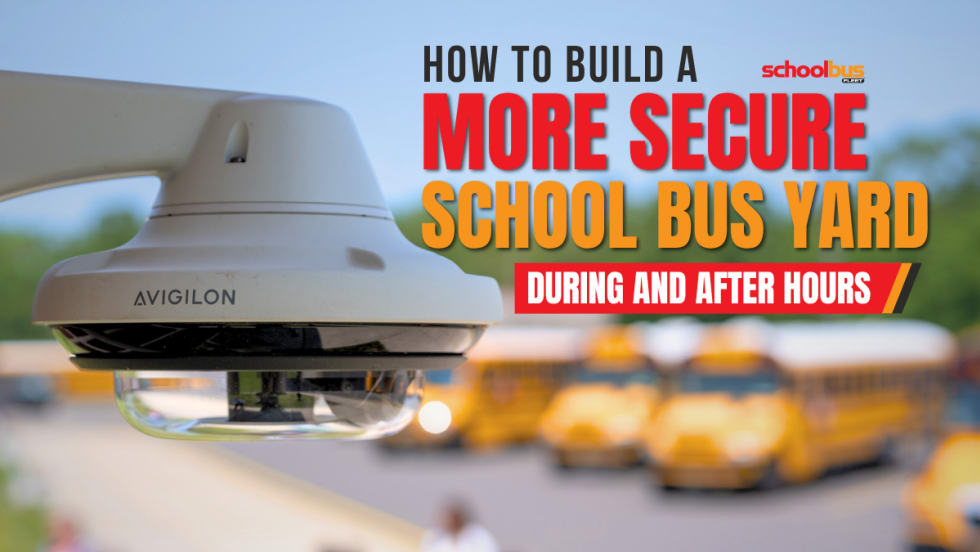
How To Build a More Secure School Bus Yard During and After Hours
As thefts and overnight security threats continue, school transportation leaders are combining stronger operational practices with AI-enabled surveillance to better protect buses, facilities, and staff.
Read More →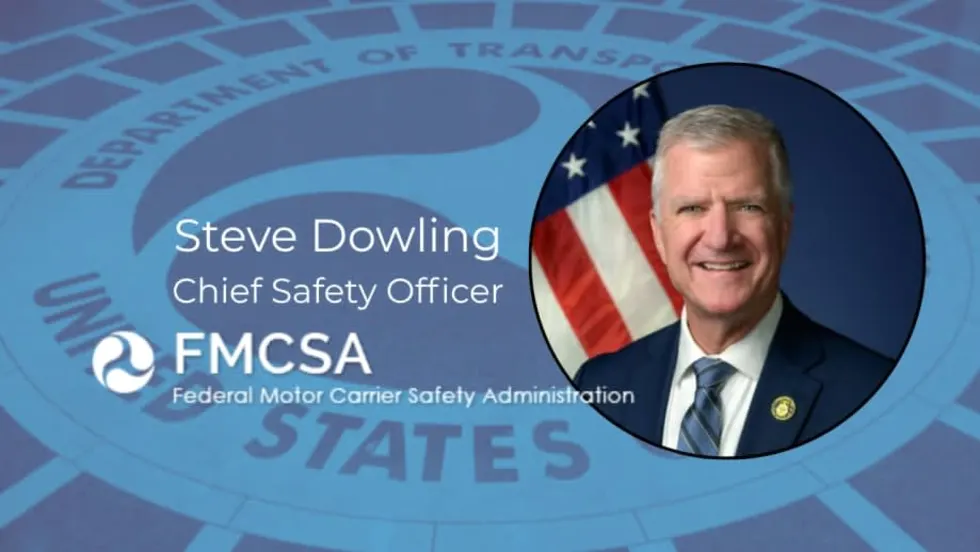
FMCSA Names New Chief Safety Officer: What School Bus Operators Should Know
Steve Dowling is set to lead the federal agency's efforts to advance commercial motor vehicle safety and reduce crashes, fatalities, and injuries on the nation's roadways.
Read More →