




California Finalizes Plan for $423 Million Share of VW Funds
The state earmarks $130 million for electric buses. The mitigation funding is expected to become available starting in early 2019.

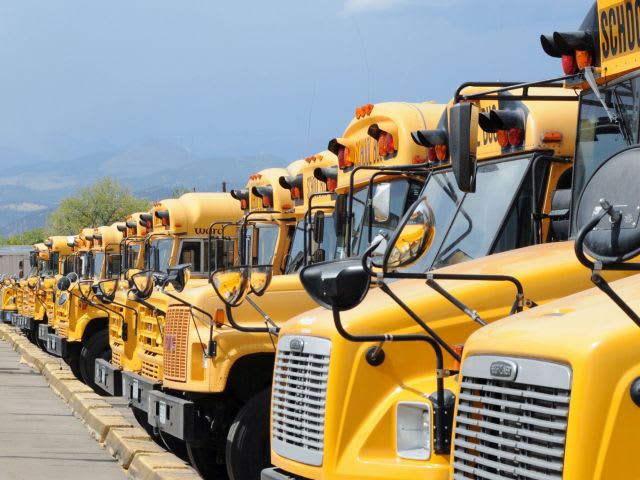
California has earmarked $130 million of its VW mitigation funds to replace existing school, transit, and shuttle buses with electric models.
California has earmarked $130 million of its VW mitigation funds to replace existing school, transit, and shuttle buses with electric models.
California’s final plan for its Volkswagen (VW) settlement funds includes $130 million to replace existing buses with electric models.
The earmark for new electric school, transit, and shuttle buses accounts for about 31% of the state’s total $423 million share of the VW Environmental Mitigation Trust. In all, the trust is providing states with $2.9 billion for projects to cut nitrogen oxide from large vehicles.
Before states can spend their share of the funding, they have to develop beneficiary mitigation plans and submit them to the trustee, Wilmington Trust N.A.
The California Air Resources Board (CARB) approved the state’s proposed mitigation plan at a public meeting on May 25.
“This is a landmark moment in the saga of Volkswagen’s environmental violations,” CARB Chair Mary Nichols said in a press release. “Over the next 10 years this plan will put in place not only tools to clean up VW’s excess emissions, but also to help achieve further reductions of smog-forming pollution for decades to come.”
On Thursday, CARB submitted its final plan to the trustee and announced that it had been posted online.
As previously noted in the proposed version of California’s plan, the $130 million for electric school, transit, and shuttle buses will include incentives of up to $400,000 for each battery-electric school bus, along with supporting infrastructure. For the school bus incentives, CARB staff recommended a minimum 5% match from the school district or other funding source.
According to the plan, half of California's electric bus funding from the VW trust will be made available when the program is established, and the second half will be provided at least two years later.
CARB said that the VW mitigation funding is expected to become available starting in early 2019.
According to the California mitigation plan, about 65% of the state’s fleet of more than 25,000 school buses are fueled by diesel. Close to 4,500 of the older diesel school buses are not equipped with diesel particulate filters or “are nearing the end of their useful life and need to be replaced with cleaner alternatives, such as zero-emission technologies,” the plan says.
Meanwhile, California’s plan for its total $423 million share of the VW Environmental Mitigation Trust also tabs funds to replace heavy-duty trucks and equipment and to reduce emissions at freight facilities, marine projects, and light-duty vehicle charging.
A state Senate bill passed last year mandates that a minimum of 35% of the mitigation investment benefit disadvantaged communities. CARB said that the approved plan invests about 50% of the available funds in those communities.
For all states, VW mitigation plan contacts and other information are available at the VW Settlement Clearinghouse, which was launched by the National Association of Clean Air Agencies and the National Association of State Energy Officials.
More Alternative Fuels

CALSTART and Forth Combine to Form Catalyst Mobility
The new name represents a renewed vision for the nonprofit focused on advancing clean, equitable, and affordable transportation solutions that move people and goods.
Read More →
Alt-Fuel Moves: New Buses, Charging Hubs & Real-World EV Testing
Propane and electric school bus deployments continue to grow as districts add new vehicles, expand charging infrastructure, and gather more real-world operating data.
Read More →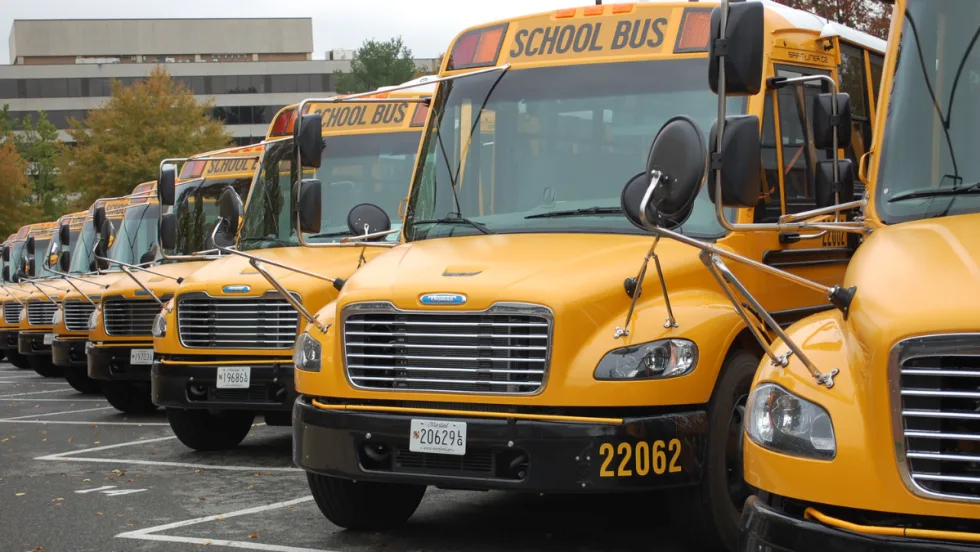
Fewer Electric School Bus Models Reshape the U.S. Market
WRI’s latest buyer’s guide points to a consolidating electric school bus market, but fewer options may reflect a maturing industry rather than fewer meaningful choices for school bus operators.
Read More →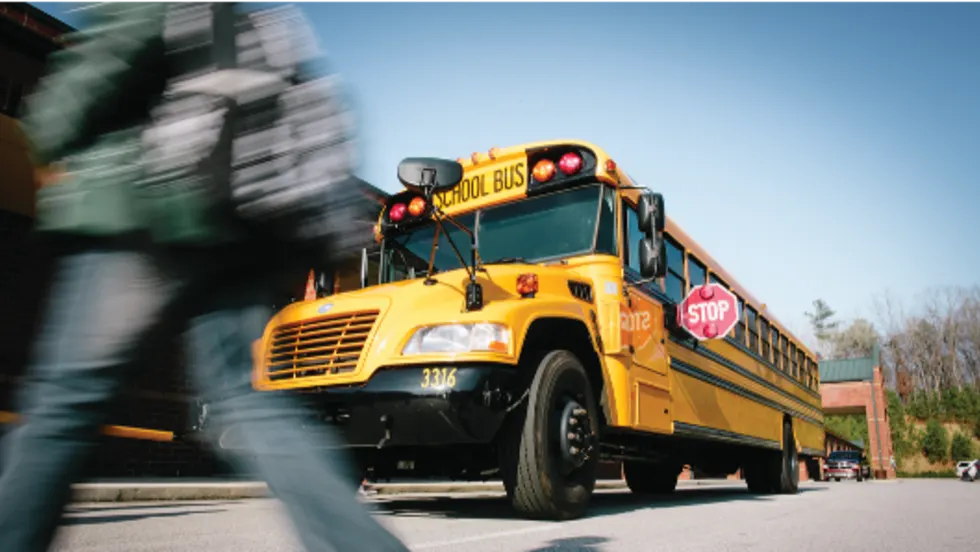
The Fuel Budget You Can Actually Predict: How Propane Autogas Keeps Money in the Classroom
Learn how propane autogas helps school districts manage fuel costs with predictable pricing, lower maintenance, and reduced emissions from former transportation director Joel Stutheit.
Read More →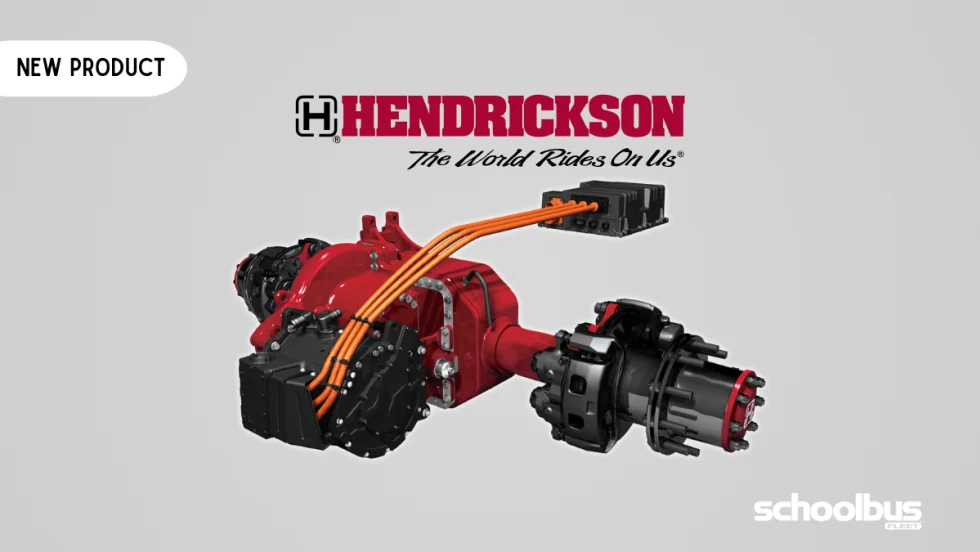
Hendrickson, Driventic Introduce New Electric Powertrain for School Buses
ELECTRAAX, the electrified, lightweight drive axle offers integrated ePowertrain efficiency and modular flexibility for Class 6–7 school bus use.
Read More →
The Mobility House Joins PowerFlex in Fleet Electrification Deal
The acquisition combines intelligent charging software, bidirectional charging expertise, and fleet electrification services to support the growing adoption of electric school buses across North America.
Read More →
Alt-Fuel Moves: Electric School Bus Investments Hit the Road
See which districts across the U.S. are putting electric school buses into service, expanding charging infrastructure, and planning the next phase of fleet electrification.
Read More →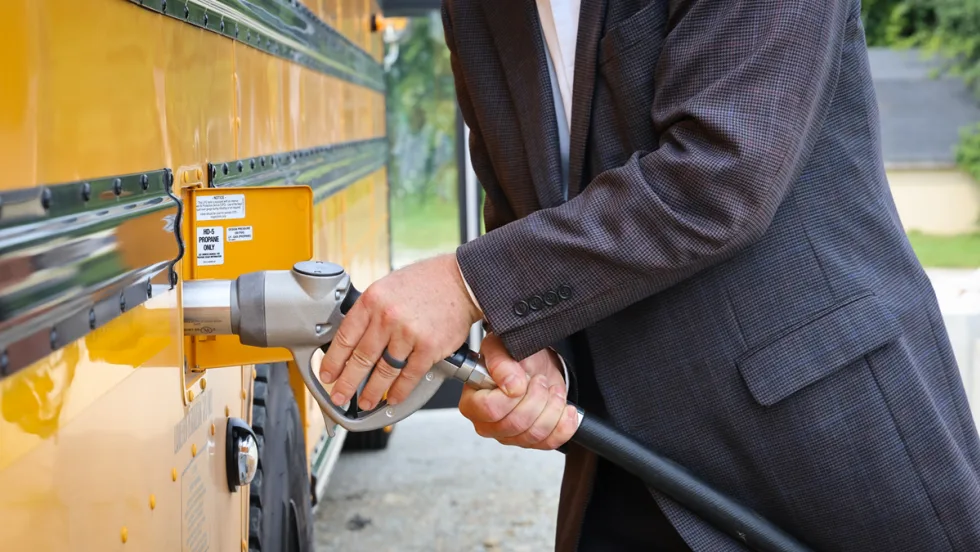
With Fuel Volatility Ahead, School Districts Turn to Propane
While diesel prices peaked above $5 this spring, districts with propane autogas-powered fleets paid under $2 per gallon, according to PERC.
Read More →
EPA Unveils Proposed Changes to 2027 Heavy-Duty Engine Rules
The federal agency has proposed changes to next year’s targets that would eliminate DEF derates, ease warranty requirements, and retain current NOx emissions standards.
Read More →
Alt-Fuel Moves: EV Charging & Infrastructure Projects Gain Momentum
The latest developments include new funding, charging infrastructure, utility investments, and fleet technologies designed to support the transition to electric school buses nationwide.
Read More →