





Do Head Start agencies know what their transportation options are?
They realize that there are new requirements in place, but many agencies do not have the resources of fleet, frontline staff or management to meet the new requirements. Some agencies, however, have been preparing for this since the proposed rulemaking was released in 1995, and are already in full compliance. Do childcare providers know their transportation options?
The sophistication of childcare providers varies drastically. A large national company is probably going to be more informed than a local one-site provider. Industry associations are working to establish guidelines and inform their members. Why should childcare providers be concerned with the final rule?
If they end up in court, a good lawyer will find a way to hold either a childcare center or a Head Start agency to both the NHTSA preschool guidelines and the Head Start final rule. It’s unknown if agencies will have federal funding withheld for not meeting the milestones. What vehicles are Head Start agencies currently buying?
Head Start agencies vary in terms of the vehicles they use, but more use FMVSS buses than do childcare centers. Also, many Head Start agencies transporting their children use full-size buses, not just Types A-1 and A-2. What are childcare providers using?
Many childcare centers use the much-discussed non-conforming 15-passenger vans. They are often unaware of the existence of the whole school bus dealer network, and would no more know where to buy a school bus than they would a bulldozer. Other centers are heavily into transportation and will search out a school bus dealer and purchase yellow vehicles meeting FMVSS, mostly Type A-1 and A-2 buses. Childcare centers also contract for transportation, often with school bus operators. These buses and drivers are apt to meet school bus standards, unless the contractor is a “mother’s helper”-type service that uses minivans or 15-passenger vans, without CDL-certified drivers. How is driver training affected?
Head Start driver and attendant training is supposed to be completed by this winter. There will be many Head Start agencies that will not meet that milestone, unless they already have a program in place. Our [PTSI’s] driver and attendant training program will not be available until the spring, four months after the final rule’s training deadline, and I am not aware of another comprehensive curriculum available. I think this is simply a function of unrealistic goals - essentially attempting to create an entire training, management, and fleet structure from scratch in an industry that had been previously unregulated. How is funding holding up?
The funding increases of the past few years for Head Start may be affected by federal funds being funneled toward the war on terrorism. Federal dollars are the major funding source for Head Start agencies, and any reduction as they attempt to gear up for major vehicle purchases would make these upgrades difficult. What are the greatest challenges at this point in the transition?
The big stumbling block for many Head Start agencies will be the need for attendants on every bus. This can double staff size, and when transportation is provided by an outside source (a contractor or a school district) the parameters will be changed drastically. The ultimate unfilled staffing need, however, will be the need for trained managers who understand and have the skills to implement these new requirements. To download a copy of the final rule, visit the Resources section at schoolbusfleet.com.
Q&A: Head Start adjusts to new transportation rule
Do Head Start agencies know what their transportation options are? They realize that there are new requirements in place, but many agencie...
More Safety
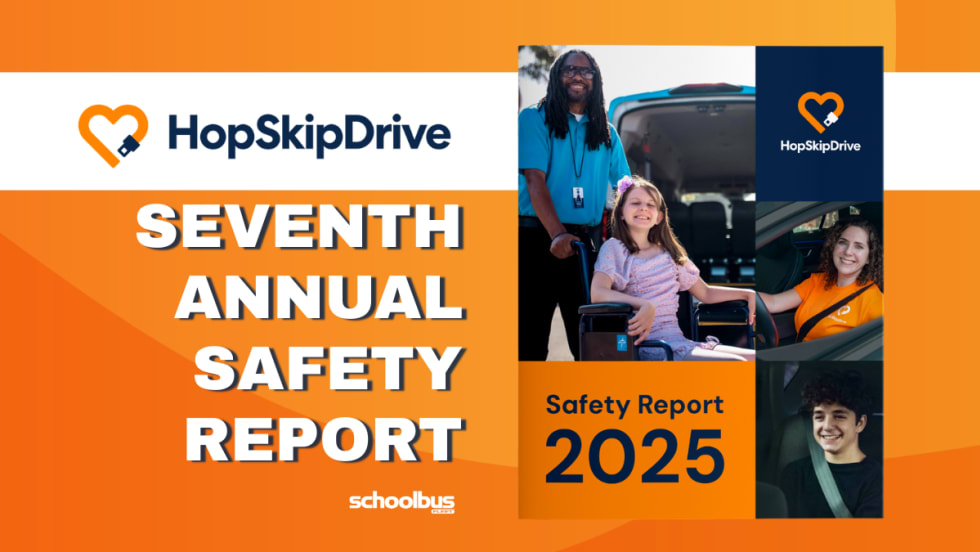
What’s Behind HopSkipDrive’s Near-Perfect Safety Record in 2025?
The alternative transportation provider’s 2025 Safety Report highlights 99.7% incident-free rides, 130 million safe miles, and more.
Read More →
2026 School Bus Fleet Vendor Directory & Buyer's Guide
Searching for the right equipment, technology, or services for your school transportation program? This industry guide brings together manufacturers and suppliers across the entire school bus market, all in one place. Download it to find the partners who can help move your operation forward.
Read More →
Child Safety Network Taps Dr. Michael C. Hout to Combat School Bus Stop-Arm Runners
Child Safety Network appointed psychology researcher Michael C. Hout, Ph.D., to lead a study examining why drivers illegally pass stopped school buses.
Read More →
NTSB Determines Human Error Led to Waymo’s Illegal School Bus Passing
Investigators reported a remote assistance error allowed a Waymo driverless vehicle to illegally pass a stopped school bus in Austin.
Read More →
National Action Plan Aims to End Illegal School Bus Passings Across the U.S.
See how a new 50-state roadmap outlines 69 strategies for districts, law enforcement, and policymakers to reduce the 39 million illegal school bus passings reported each year.
Read More →
11-Year-Old Student Dies After Falling Under School Bus
Recently, an Iowa student died after falling under a school bus, while 14 Oklahoma students were injured days later when a semi-truck rear-ended their bus.
Read More →
7 Key Criteria for Choosing a School Bus Fleet Technology Partner
Selecting a fleet technology partner can be complex, especially with evolving operational demands and limited resources. This white paper outlines seven key criteria to help school transportation leaders evaluate options and align technology with their needs. It offers a practical framework to support more informed decision-making.
Read More →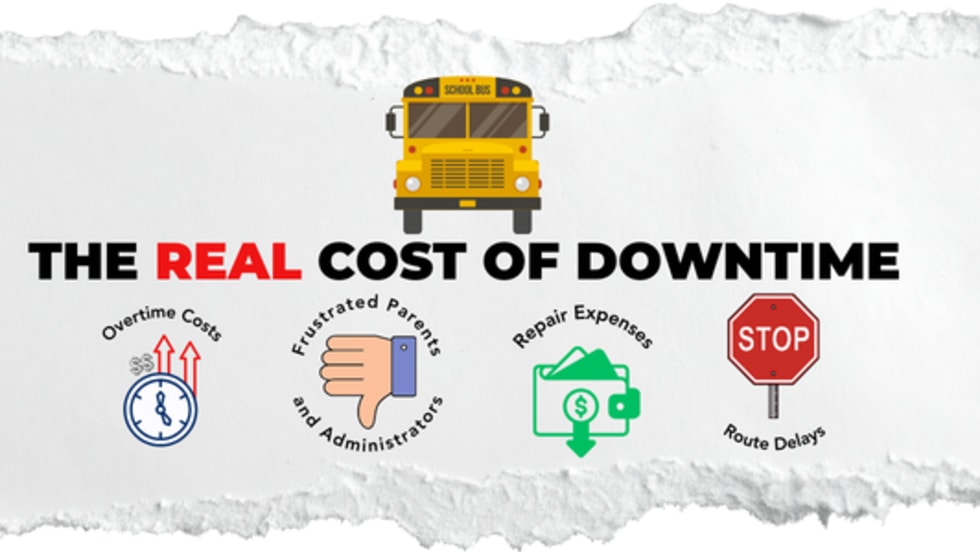
The Real Cost of Bus Fleet Downtime
When school bus communication systems fail, the consequences extend far beyond equipment repairs. Downtime can increase safety risks, strain dispatch operations, and erode driver confidence. Explore how proactive radio lifecycle management and managed services are reducing disruptions, supporting driver retention, and delivering predictable budgeting for school transportation fleets.
Read More →
EverDriven Launches New Council to Standardize Safety Across 36 States
EverDriven has launched a new safety council aimed at standardizing and strengthening student transportation practices across all states it operates in.
Read More →
Thomas Built Buses Awards “If You Pass” Safety Campaign Funds to Ga. District
The OEM's three-week campaign during National School Bus Safety Week has awarded nearly $6,000 to Bryan County Schools to support increasing student safety around the bus.
Read More →