




Nonverbal Indicators of Violence: What to Look For
Touching one's head. Clenched fists. Removing clothing. Keeping an eye out for these types of actions and stopping a student before a situation escalates will enable pupil transportation professionals to maintain a safe bus environment.
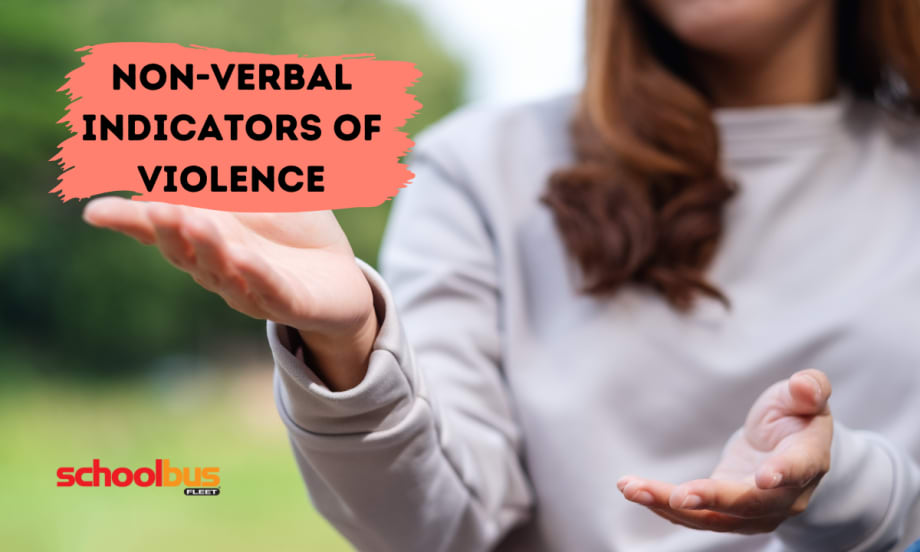
Bret Brooks is a full-time police officer, a SWAT team sniper and a captain in the U.S. Army.
Photo: SBF/Canva
Encountering violence is not something that is limited to police officers. Today's society is filled with violent images, movies and video games, all of which can affect children and potentially cause them to behave violently.
As children become increasingly violent, they are unable to modify their behavior when they want to conceal their actions and intentions - there will be warning signs of impending aggression because human behavior and communication depend highly on body language.
Nonverbal clues can indicate when danger is near, but only if people know what to look for.
There are a number of resources available to aid in this, including books, videos and training programs. The Gift of Fear by Gavin de Becker is, in my opinion, the best book on the market that addresses human intuition. I recommend that everyone put this book at the top of their reading lists.
If you can recognize indicators of violence at the onset of a situation, you will be able to react appropriately and, possibly, thwart the violence altogether.
Breaking down the human body into sections, I will examine indicators of violence associated with the head, hands and lower body, as well as a person's clothing.
Hands on head
As a person becomes angry, frustration builds up. Anger is an emotion, and as such, it is processed in the brain. When the mind fills with hate, it will attempt to release the emotion in any way possible.
One way it will attempt this is to subconsciously instruct the person to raise his or her hands to his or her head. The hands will physically touch the head, or come very close to touching the head. Often, the person will rub his or her head and scalp. The hands will then become clenched as they "grasp a hold of the anger."
The hands, holding the anger, will then move away from the head, releasing some of the emotional build-up. This is an immediate indicator that a person is becoming violent.
Clenched fists, hand wringing
Clenched fists are a sign of anger that most people recognize. Other indicators include popping one's knuckles, rubbing one's hands together and hand wringing. A student performing these actions may be preparing his or her hands for a fight by loosening their muscles and tendons.
Hand wringing is a subconscious action similar to raising the hands to the head in order to "grasp" anger. Once the anger has been grasped, the body needs a way of releasing the anger from the hands. Wringing one's hands together, like drying them off on a towel, allows the anger to fall from the hands and away from the body. Finger pointing is another aggressive act.
Aggressive lower body stance
When people prepare to fight, they will position the lower portion of their bodies in a stance that is suitable for fighting or fleeing. Their feet will be positioned shoulder-width apart and their knees will bend slightly. This allows people to punch using the force of their entire upper bodies, to kick, or to turn and run away.
The body will also blade to a person's strong side. If the person is right-handed, he or she will move his or her left side forward, toward the perceived threat, and the right side back at an angle. Someone who is left-handed will take a stance in the opposite direction, with the right side forward.
Removing clothing
Similar to grasping the head or wringing the hands, removing clothing is another way for a person to release built up anger and frustration. By shedding articles of clothing, the person is attempting to "lighten his load."
There is another reason that a person will remove articles of clothing. By taking off a hat, coat or jacket, the person is freeing his or her body from restrictions. A person who throws a punch while wearing a T-shirt will find it much easier than punching while wearing a jacket. By taking off layers of clothing, the person is preparing for a fight.
Taking preventive action is crucial
All of the aforementioned indicators should be examined together in relation to the circumstances under which they occur. Furthermore, nonverbal clues should be examined in conjunction with verbal indicators. A student who displays only one of these indicators may not become violent, but a person who displays numerous indicators should be closely monitored.
(Also, be aware that some people simply do not display any indicators prior to a violent attack.)
Something else to keep in mind is that the younger the student, the more he or she will test a situation before becoming violent. While an adult may not display any indicators prior to attacking someone, a young child will "test the water" over an extended period of time. As the student feels out the situation, he or she builds confidence.
Taking preventive actions during this "testing" phase is essential. Doing so tells the student that his or her behavior is inappropriate and will not be tolerated. If the student feels the "water is too deep," he or she will, in most cases, stop and not become violent.
There is no one cure-all or "silver bullet" to prevent violence. However, recognizing warning signs and taking immediate and appropriate action to stop the behavior is a substantial step in the right direction.
Bret Brooks is a senior instructor for Gray Ram Tactical LLC, a full-time police officer, a SWAT team sniper, and a captain in the U.S. Army. He holds a Bachelor of Science degree in criminal justice, a Master of Arts degree in national security, and has focused numerous studies on terrorism and violence. He can be reached at bretbrooks@grayramtacticaltraining.com.
More Management

How to Build a Better Driver Training Program
Ready to boost up your school bus instructor training? Here’s how to pick the right talent and improve recruitment, retention, and safety.
Read More →
CALSTART and Forth Combine to Form Catalyst Mobility
The new name represents a renewed vision for the nonprofit focused on advancing clean, equitable, and affordable transportation solutions that move people and goods.
Read More →
What Makes a Great School Bus Driver Trainer?
Choosing the right school bus driver trainer takes more than experience. Learn six keys to selecting and developing trainers and evaluating program effectiveness.
Read More →


School Bus Contractors Expand Through New Deals, Acquisitions & Partnerships
STA's Canadian division acquires Ontario-based G&L Stevenson Transport while Durham School Services adds a new district contract in California, First Student adds a New Jersey contract, and Minnesota Coaches acquires Halo Transportation.
Read More →
Logan Bus Company Rolls Out AI Phone System for NYC School Bus Families
A summer pilot found that AI agents could handle most routine calls, freeing up time for customer service staff to focus on emergencies and complex family concerns.
Read More →
From Intent to Impact: What I Learned About Leadership from TAPT
A Texas transportation supervisor shares lessons on self-awareness, accountability, managing stress and building trust — and why investing in leadership development matters at every stage of your career.
Read More →
NAPT Names 2026 Award Recipients, Hall of Fame Inductee
Who earned national recognition for their work in student transportation? This year, NAPT named five recipients of its 2026 awards for service, safety, and leadership, plus its newest Hall of Famer.
Read More →
2026 State of Student Transportation Report
Driver shortages. Rising costs. Growing safety expectations. More data, but not enough time to act on it. The 2026 State of Student Transportation Report reveals what transportation leaders say is putting the most pressure on their operations—and where they’re investing next. See how your priorities compare.
Read More →
How to De-Escalate an Angry Person: 5 Steps for Handling Workplace Conflict
What makes emotions run high, and how should you handle an angry colleague or parent? Follow these steps for staying calm, listening, showing empathy, and resolving conflict.
Read More →
What Readiness Looks Like This School Year
Learn about the challenges shaping the 2026–2027 school year, from persistent driver shortages and budget pressure to technology and readiness gaps. See how school districts are responding and adapting in Zonar’s 2026 Back-to-School Readiness Report.
Read More →