




The case for crossing arms
Many actions have resulted in reducing the overall average danger zone fatalities from 29 to 12, but by far the greatest reduction is in front of the bus — a 73% reduction compared to 47% in the other positions. Jeff Cassell, president of the School Bus Safety Co., says he believes the answer is crossing arms.
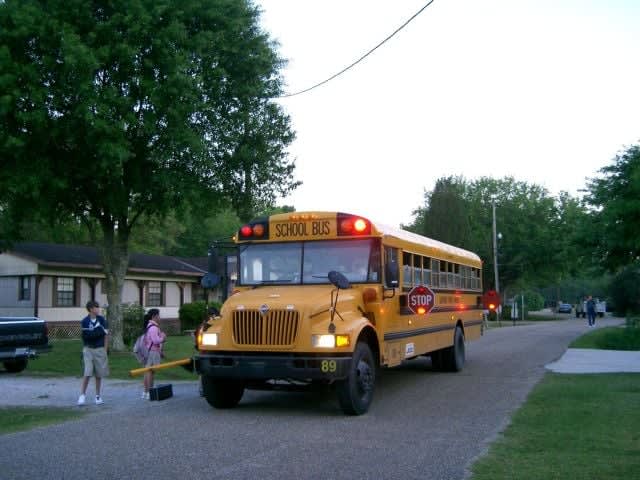
In the past eight years, 92 children were killed in the danger zone of school buses. This is an average of about 12 per year.
As we analyze these catastrophes, we learn that 25 of these were children who went in front of the bus. There is no doubt in my mind that crossing arms are effective in preventing front-of-the-bus child fatalities.
Why doesn’t every school bus have a crossing arm? A very good question. It is estimated that around 50% of the school buses in the U.S. currently have crossing arms.
A total of 26 states have regulations requiring crossing arms; 24 and the District of Columbia do not. I believe they should.
Crossing arms are inexpensive compared to the rest of the items you can add to a school bus — cost is only around $250. In addition, crossing arms require very little maintenance.
I was the vice president of corporate risk management for Laidlaw for almost 21 years. Over this period, the company grew from a fleet of 15,000 school buses to 38,000 school buses.
In the first 10 years, without crossing arms, we had 15 child fatalities at the front of the bus. In the next 10 years, with crossing arms, we had one child fatality at the front of the bus.
That drop from 15 to one, with a larger fleet, very clearly shows the effectiveness of crossing arms.
The fitting of crossing arms really started to increase in 1997. Before then, only a small number of buses had them. To look at the U.S. danger zone fatalities before and after 1997, see the chart.
Annual average front-of-bus danger zone fatalitiesAnnual average danger zone fatalities in other positionsTotal danger zone fatalities14 years before crossing arms (1983 to 1996) 11.6 17.9 29.5 14 years after crossing arms (1997 to 2010) 3.1 9.5 12.6 Reduction 73% 47% 57%
The data in that chart were taken from the Kansas State Department of Education’s national surveys of school bus danger zone fatalities (see story about the latest survey here).
Many actions have resulted in reducing the overall average fatalities from 29 to 12, but as you can see, by far the greatest reduction is in front of the bus — a 73% reduction compared to 47% in the other positions. I believe the answer is crossing arms, and these data support this belief.
A total of 26 states have already made crossing arms mandatory. Some of the major contractors are convinced that they are necessary and have them fitted on all of their school buses. The data from Laidlaw overwhelmingly prove that they work. The national data prove that they work.
If you do not have crossing arms on any of your buses, fit them as soon as possible.
State directors and state associations of pupil transportation, please do all you can to get these required in your state.
Please note: The School Bus Safety Co. has no financial interest in crossing arms. Our only interest is reducing danger zone fatalities from 12 to zero. Installing crossing arms is a necessary step.
Jeff Cassell is president of the School Bus Safety Co.
More Safety

Pro-Vision Launches AI-Powered 360° Camera System
The new Birdseye camera delivers real-time AI-based pedestrian and vehicle detections, full visibility around the bus, and telematics integrations.
Read More →
NY Coalition Calls for Modernized Transportation for Vulnerable Students
A new statewide coalition is urging New York lawmakers to expand student transportation options for vulnerable students amid ongoing driver shortages.
Read More →
America Has a School Bus Passing Problem — and Distraction Is Making It Worse
Illegal school bus passing remains a major safety threat as distracted driving rises. This op-ed explores why awareness, enforcement, and stop-arm cameras matter more than ever.
Read More →
School Bus Laws to Watch: New York Delays EV Mandate
Plus, federal lawmakers seek new funding for school bus safety as states weigh stop-arm enforcement, disability protections, and education spending.
Read More →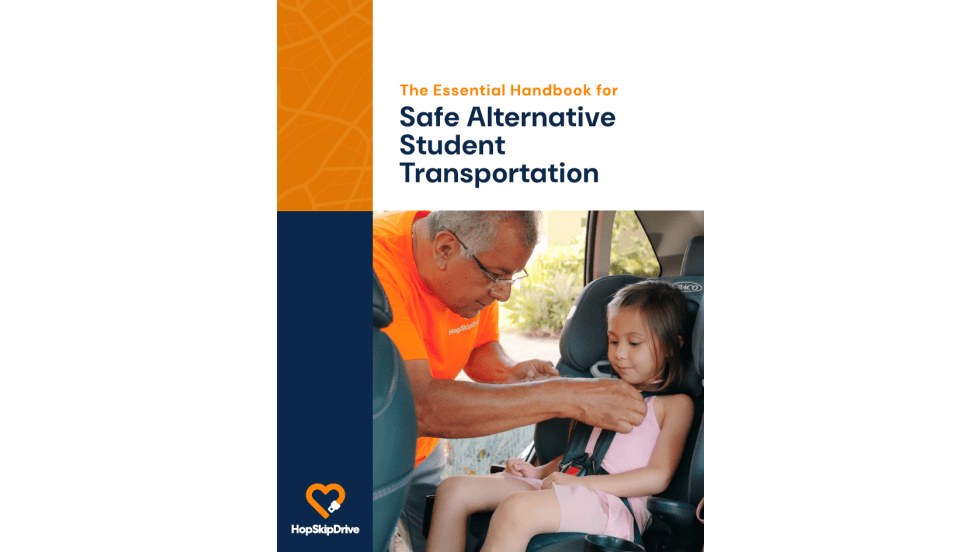
The Essential Handbook for Safe Alternative Student Transportation
Your district's "exception riders" — students with IEPs, those experiencing homelessness, foster care youth — deserve more than a middleman solution. This handbook breaks down exactly what to look for in a supplemental transportation partner: from driver vetting and regulatory compliance to proactive safety technology. Because getting a ride isn't the same as getting a safe one.
Read More →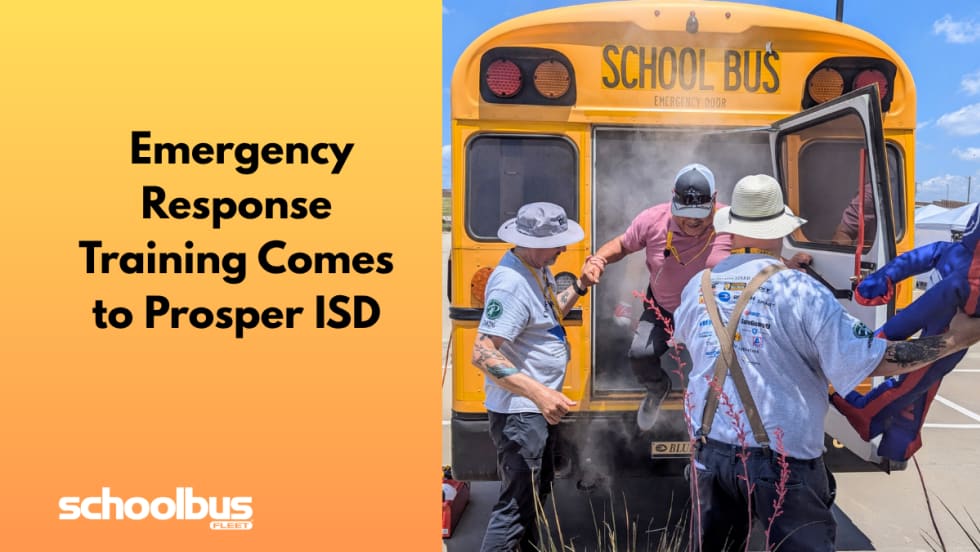
Operation STEER Brings Emergency Response Training to North Texas
Prosper ISD hosted the third annual training for transportation professionals across 67 districts to learn how to respond to emergencies, such as rollovers and evacuations, and proper use of safety equipment.
Read More →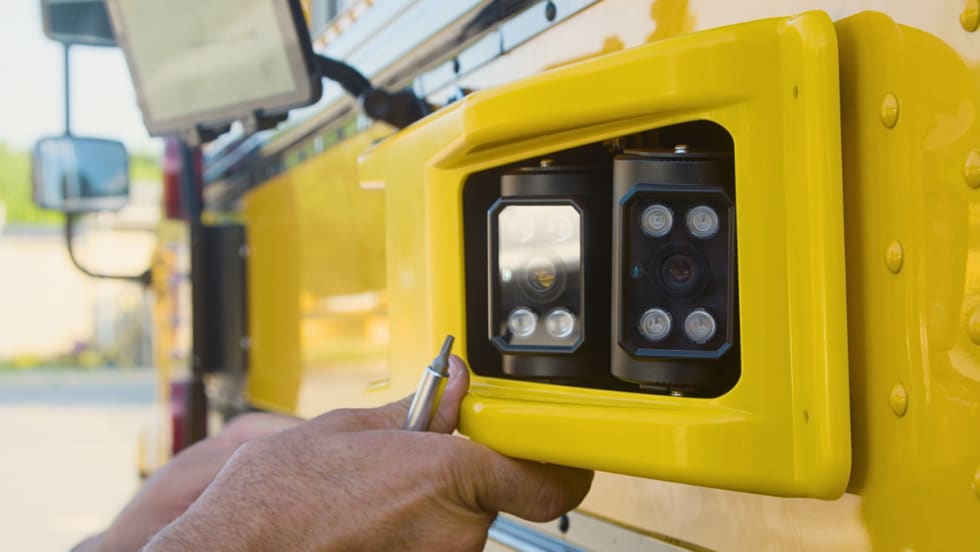
Florida District Relaunches BusPatrol School Bus Camera Program With New Safeguards
After being suspended over due process concerns, Miami-Dade schools and law enforcement are restarting the AI-powered stop-arm camera program with new oversight.
Read More →
School Bus Laws To Watch: Seat Belt Bills, Funding Fights & EV Changes
From national bills on seat belts and driver oversight to driver awareness campaigns referencing “Finn’s Rule” and ongoing transportation funding debates in Alaska, here’s the latest in school bus legislation across the U.S.
Read More →
9-Year-Old Boy Killed by School Bus at Busy Brooklyn Intersection
A Williamsburg community is mourning after a child was fatally struck by a private yeshiva bus, prompting calls for urgent safety improvements at the high-traffic crossing.
Read More →
Does Reliable School Transportation Boost Attendance? EverDriven’s Data Says Yes
The new data shows 99.99% incident-free trips and strong on-time performance, reinforcing how dependable transportation, especially for vulnerable student populations, can help districts combat chronic absenteeism.
Read More →