Often, just by tracking and displaying results, employees become more aware of their own influence on the measurements.
by Dayna Ashley-Oehm
March 26, 2013
3 min to read
Dayna Ashley-Oehm is managing partner of The Oehm Group, which is managing NAPT’s KPI project and has produced the Colorado Transportation Efficiency Study for the past 25 years.
In theory, almost everyone working in pupil transportation would agree that analyzing and understanding data is critical to managing operations. However, not every district has the same resources to develop and compare key performance indicators (KPIs).
During the National Association for Pupil Transportation (NAPT) Summit in October, the association’s KPI project was covered comprehensively, from a keynote speaker to several general sessions. A strong case was made for establishing industry-specific KPIs, which will allow school transportation directors to compare their operation to those of other school districts.
Ad Loading...
In one session, several school districts provided examples of transportation KPIs, many of which are tracked and reported to compare internal operations over time.
Keith Paulson of Anoka-Hennepin School District in Anoka, Minn., explained to the audience that his transportation department established KPIs as part of a district-wide initiative to measure and compare internal operations from one year to the next. Directors report KPIs on standardized vision cards or dashboards.
Smaller districts may not require their departments to report data on a vision card, but many track components to improve internal operations.
If you are a director in a small district with no history of using KPIs, where do you start? Telling your operational story requires a plot; you must decide what your plot will include.
Since gathering and analyzing data can be a daunting task, begin with something simple and easy to track. As Bill Bair of Colorado Springs (Colo.) School District 11 said, “It’s really just a matter of starting.”
Ad Loading...
Use your district’s existing vision, mission and goals to help determine your priorities. Most districts have a transportation vision statement sharing common terms. These include safety, reliability and efficiency. So start gathering internal data to establish a safety measure, a reliability measure and an efficiency measure.
1. Safety — number of accidents. Begin to record the number of accidents daily. Define accidents simply or in accordance with your state reporting definition. For instance, in Colorado, all accidents with more than $1,000 of damage must be reported to the Colorado Department of Education.
2. Reliability — number of road calls. Begin tracking the total number of road calls each day. First, define a road call — this could be as simple as tracking an interruption in service. Tally these daily; total them monthly and then annually. You now have a benchmark to compare with in the coming year.
3. Efficiency. Begin tracking the number of students riding the bus monthly. GPS programs make student tracking much easier, but even if you lack GPS, bus drivers can track actual ridership on a monthly basis. Pick the same day each month — for example, the first Tuesday of each month. Have each driver count the number of kids on the morning trip and the number on the afternoon trip. Divide the morning and afternoon total by two to establish an average.
Simple procedures can be used to track the data measures. Begin by using an Excel spreadsheet to input all monthly totals.
Ad Loading...
Once you begin tracking data, share the results with your staff. Often, just by tracking and displaying results, employees become more aware of their own influence on the measurements.
Just like with any new task, starting can be half the battle. Make this small step toward measuring three components, and you will have a wealth of knowledge to build upon in future years.
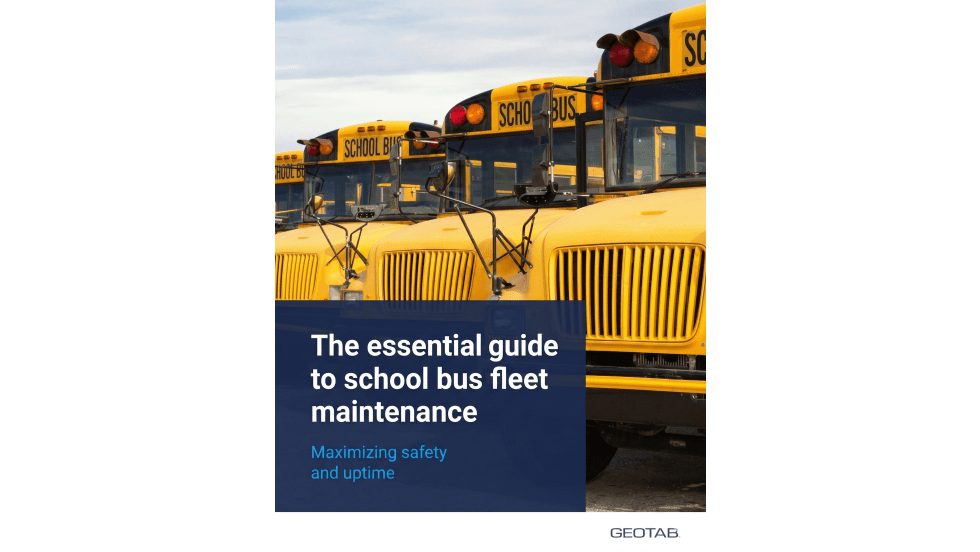
Stop reacting to engine lights and start predicting them. This guide reveals how transitioning from a "break-fix" model to a data-driven maintenance strategy can drastically reduce fleet downtime and protect your district's budget. Learn how to transform your garage operations from a cost center into a reliability powerhouse.
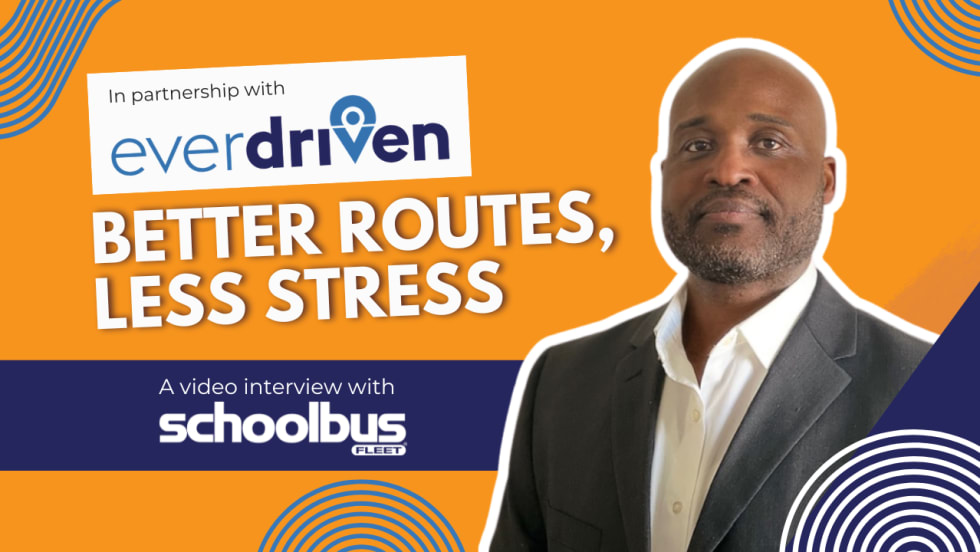
EverDriven is bringing its experience with complex transportation into a new school bus routing support division. In this video, Greg Jackson breaks down what the service offers and why districts need this kind of help now more than ever.
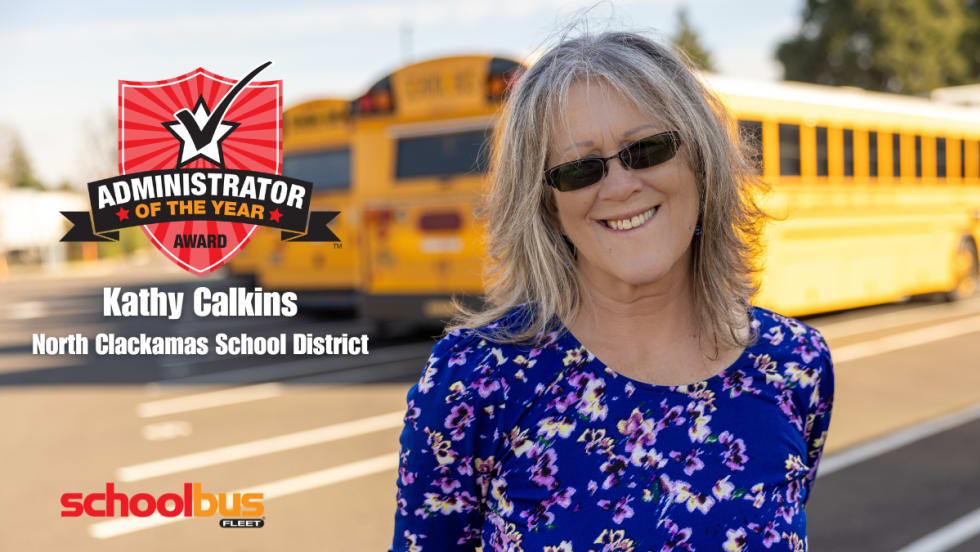
Three decades after almost walking away from the school bus, studying behavior changed everything for Kathy Calkins. Now, she oversees 181 buses and leads the 225-person team at North Clackamas with intent and purpose.
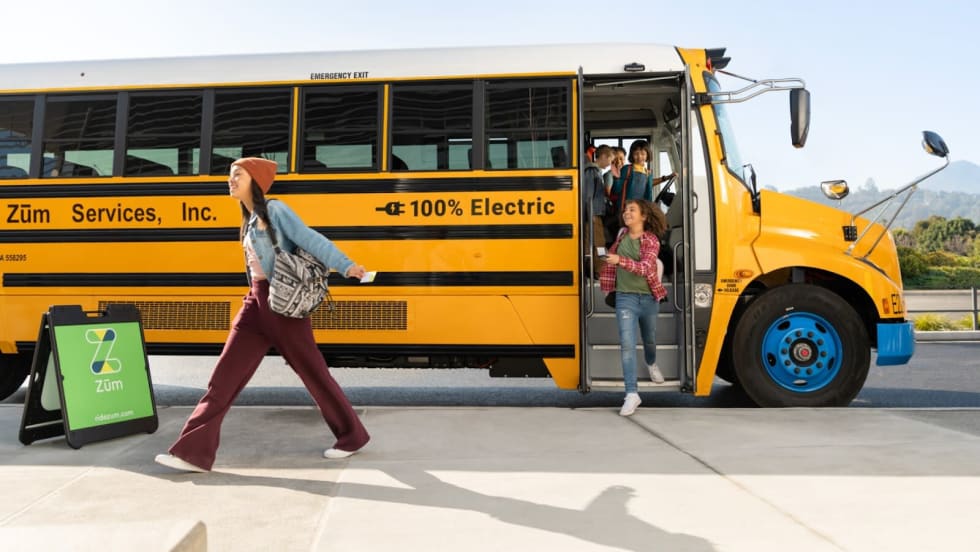
While the yellow school bus remains the backbone of student transit, 75% of administrators identify limited transportation access as a major driver of chronic absenteeism. This guide explores how districts are strengthening their fleets by integrating flexible, supplemental solutions to serve students with the most complex needs. Learn how a multimodal approach can bridge service gaps, restore attendance, and support your most vulnerable populations.
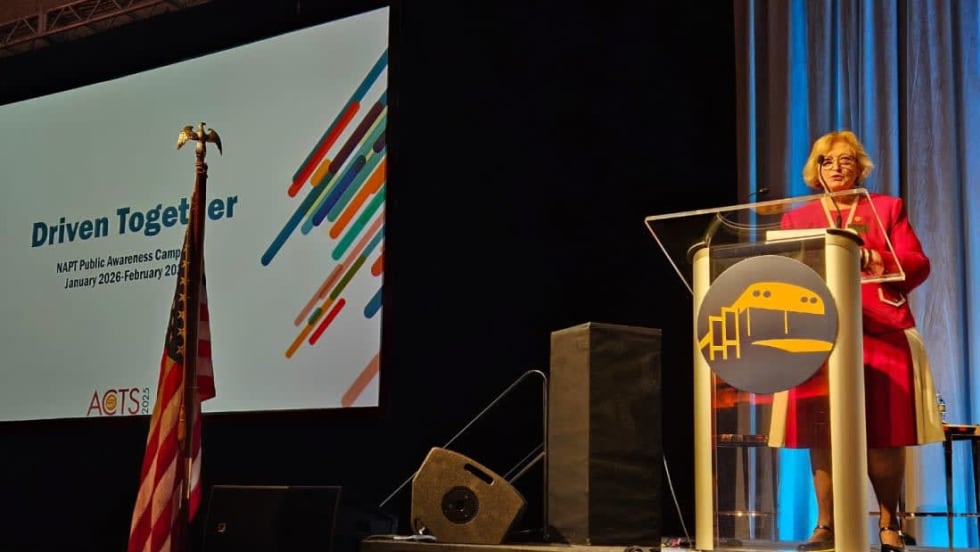
How the association is driving increased awareness and education about the role of the school bus across the country and the shared commitment we have in its success.
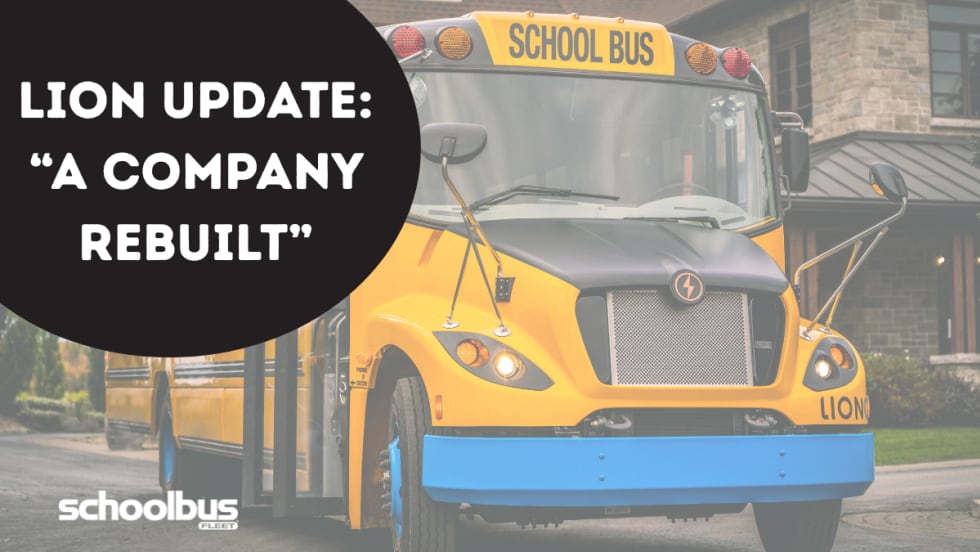
After a turbulent year, the former Lion Electric announces almost 200 employees and over 500 new bus sales with improved uptime from its plant serving Quebec.