


How does the number of school buses in New York City differ from 1967 to 2023?
1967: 974
2023: ~9,500
 MENU
MENU SEARCH
Private operator uses almost 1,000 buses to transport school children in crowded New York City traffic.
Check out this blast from the School Bus Fleet past and feature article from June of 1967.
Varsity Bus, Inc. is the largest private school bus operator in New York, and has the distinction of being the largest school bus operation in the world.
Located in Brooklyn, Varsity is one of eight private school bus operators on contract to New York City’s board of education to transport about 100,000 children to the city schools. Varsity takes these children back and forth between home and school in its 974 buses ... a complicated job considering the bumper-to-bumper traffic in New York City.
John Succa, president of Varsity, is no stranger to the pressures of public transportation. He owned, drove and repaired his first bus back in 1919. Today, he also participates in the operation of three large transit bus systems in the New York area. After seeking and winning the Varsity contract in public bidding in April 1965, he had to meet an early September starting date ... a short five months.
First, he ordered over 900 new GMC school buses from two New York City dealers at a cost of some $4 million. Then, for another $5 million he bought property and built garages and maintenance buildings in three strategic locations around the city to park and maintain his fleet. Finally, tools and machinery required to equip the garages were ordered at a cost of another half-million. A stall of 1200 was then hired to drive and maintain the buses.
“It took plenty of cooperation from a lot of people to get the job done on time and to have the buses delivered in time,” Succa admitted.
Varsity employs 937 full time and 65 part time school bus drivers. All drivers are given a ten-day training program.
Majority of the buses in the fleet of 974 units are 60-passenger buses. These account for 783 units; 19 are 66-passenger buses; 35 are 48-passenger units; 52 are lift buses and 85 units are station wagons.
The maintenance program for the fleet is based on mileage. Buses are kept in top shape by adhering rigidly to maintenance schedules. If a breakdown does occur, a spare bus is dispatched immediately. Or, as many of Varsity’s 18 radio-equipped expediter cars as needed converge on the scene to get the children to school with only a slight delay.
By means of Varsity’s own private wave length, the cars are in constant radio contact with company headquarters, the garages in Queens, Bronx and Brooklyn, and with the Board of Education.
All buses are washed at least once every two weeks, lubricated at least once a month, and their oil, including the filter, is changed every 3000 miles. Every night they are swept out by the drivers. Twice during the school year they are thoroughly scrubbed inside and out and waxed on the outside.
According to William Cicero, director of maintenance, “Children respect a neat, well-kept bus. It is the best possible guarantee against misuse I know. Outside of a few isolated instances, we have no vandalism problem at all.”
When the bus is on the hoist for its monthly lubrication, an inspection is made of the underside. The entire running gear is checked along with the brakes, tires and steering linkage. At the same time, a body man makes sure the lights and flashers are working properly, that the seats are not torn, and that glass and sheet metal are not damaged.
Each driver makes out his own daily check list of mechanical and appearance complaints and turns it in at the dispatch window. By morning, his bus is fixed. If not, he’s assigned one of Varsity’s 40 spares.
Special attention is given to the handicapped pupils and students. They are picked up and dropped off directly at their doors and are the first to be transported home in case of a pending storm or other emergency. A matron is in attendance at all times. Some 85 Suburbans and 52 lift-gate units for the cerebral palsied and physically handicapped provide the special service.
“Just as New York City’s Board of Education strives for excellence in education, we strive for excellence in transportation,” commented Bernard Shatzkin, Varsity’s counsel.
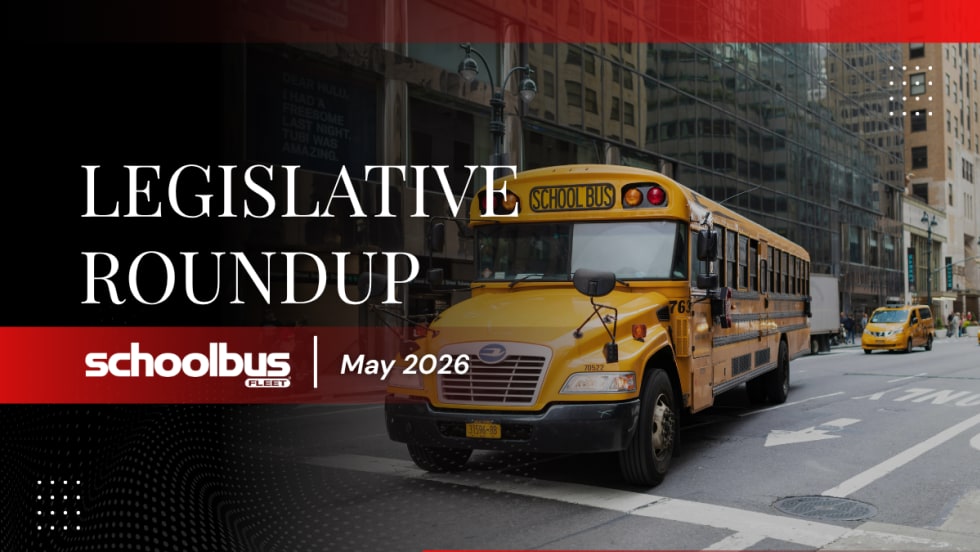
Plus, federal lawmakers seek new funding for school bus safety as states weigh stop-arm enforcement, disability protections, and education spending.
Read More →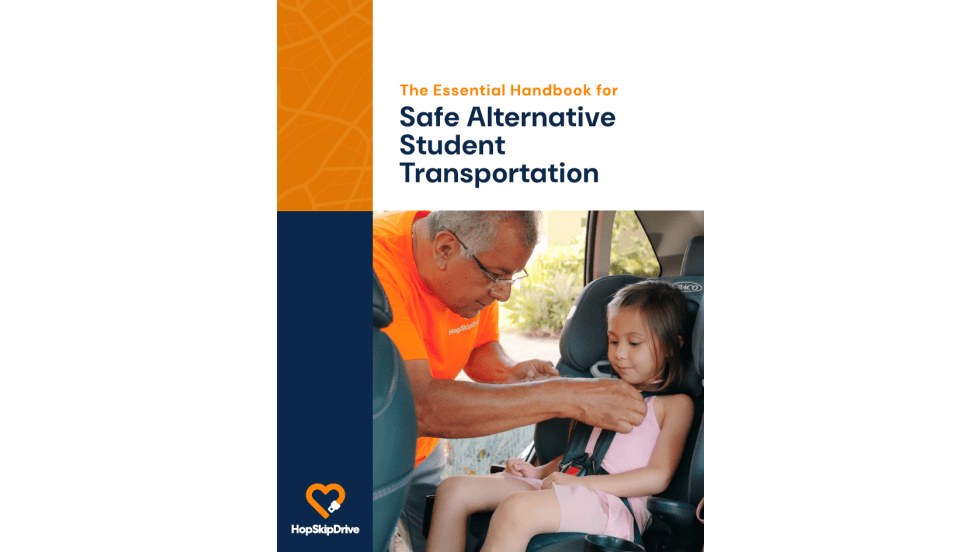
Your district's "exception riders" — students with IEPs, those experiencing homelessness, foster care youth — deserve more than a middleman solution. This handbook breaks down exactly what to look for in a supplemental transportation partner: from driver vetting and regulatory compliance to proactive safety technology. Because getting a ride isn't the same as getting a safe one.
Read More →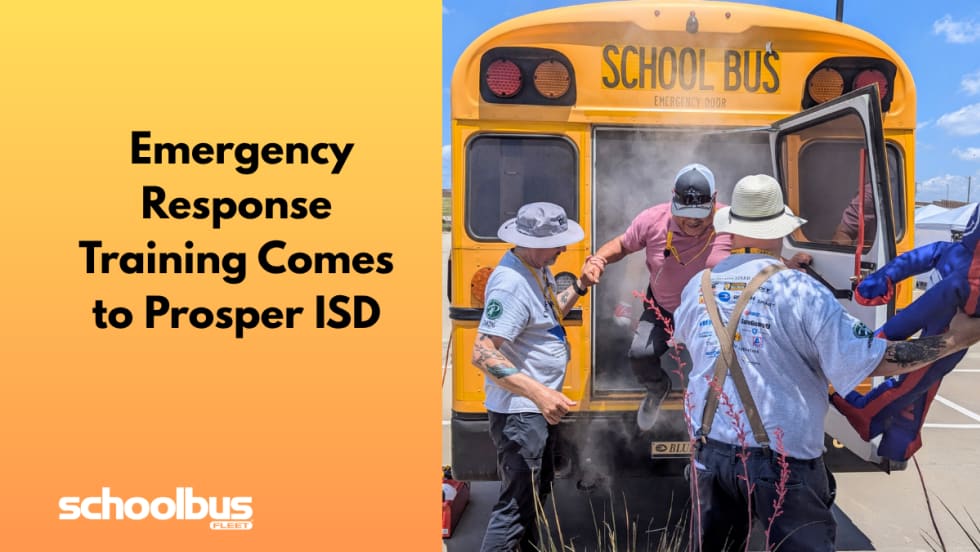
Prosper ISD hosted the third annual training for transportation professionals across 67 districts to learn how to respond to emergencies, such as rollovers and evacuations, and proper use of safety equipment.
Read More →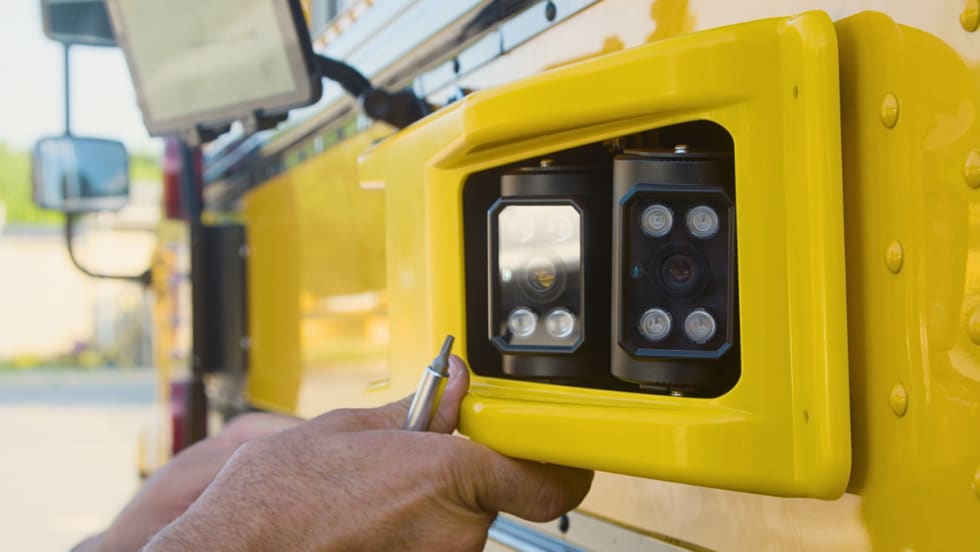
After being suspended over due process concerns, Miami-Dade schools and law enforcement are restarting the AI-powered stop-arm camera program with new oversight.
Read More →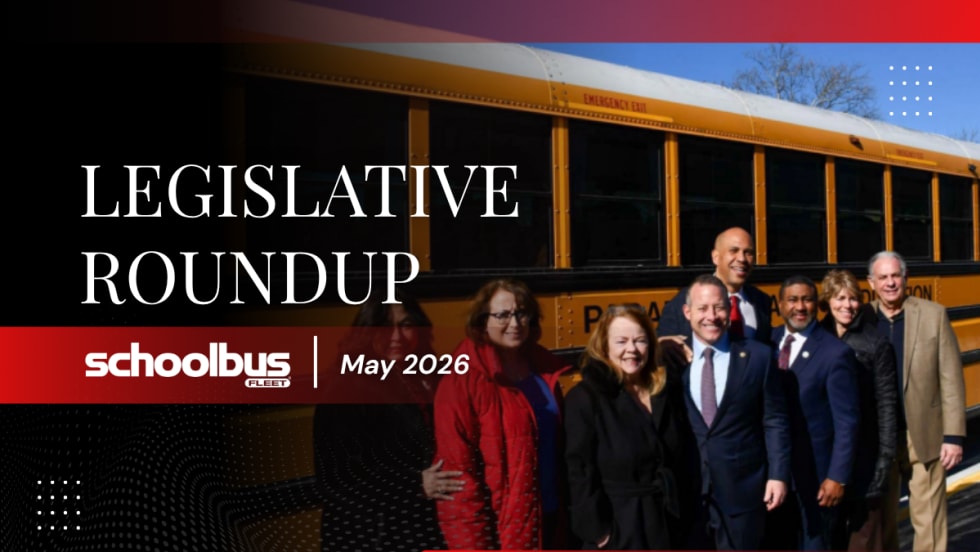
From national bills on seat belts and driver oversight to driver awareness campaigns referencing “Finn’s Rule” and ongoing transportation funding debates in Alaska, here’s the latest in school bus legislation across the U.S.
Read More →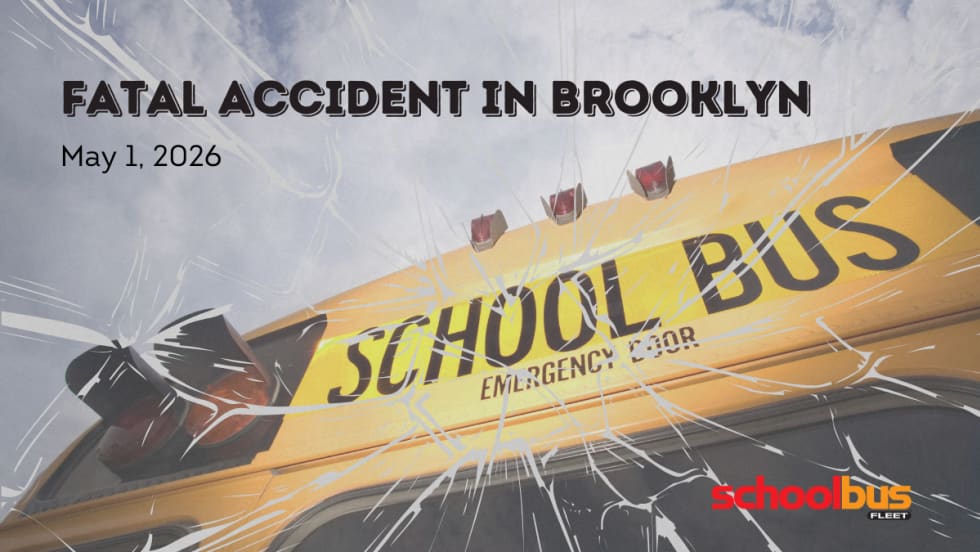
A Williamsburg community is mourning after a child was fatally struck by a private yeshiva bus, prompting calls for urgent safety improvements at the high-traffic crossing.
Read More →
The new data shows 99.99% incident-free trips and strong on-time performance, reinforcing how dependable transportation, especially for vulnerable student populations, can help districts combat chronic absenteeism.
Read More →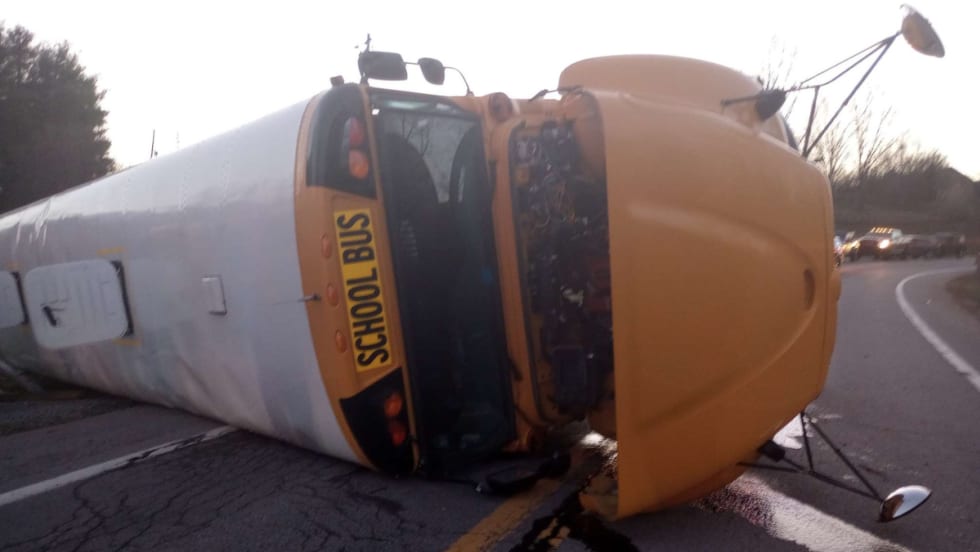
The federal agency's report asks NHTSA to require all new school buses to be equipped with vehicle-integrated alcohol detection systems and passenger lap-shoulder belts.
Read More →
Student transportation teams are being asked to do more with less, facing driver shortages, rising costs, and increasing safety expectations. This report uncovers how fleets are adapting, where technology is making the biggest impact, and why student ridership tracking is emerging as a top priority. Download the report to explore the key trends shaping 2026 and what they mean for your operation.
Read More →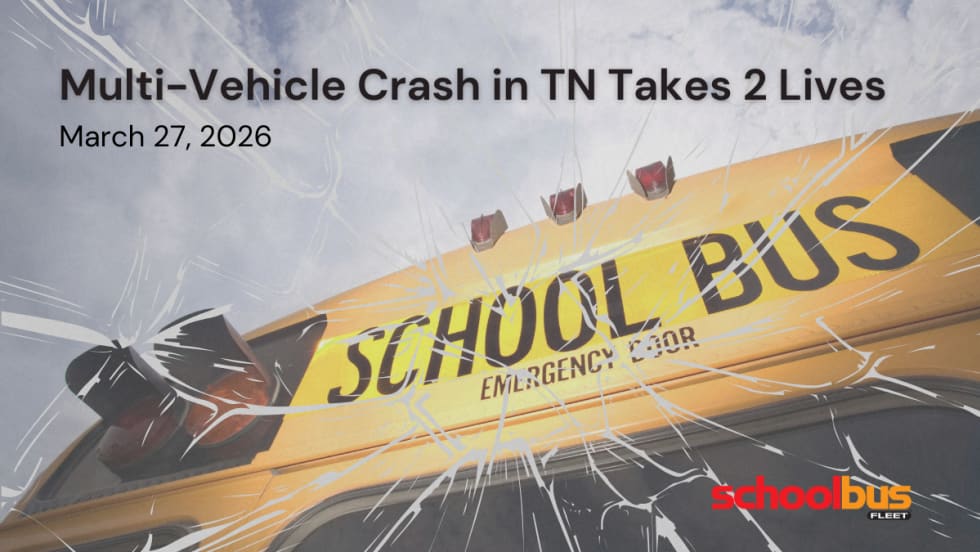
A Carroll County accident claimed the lives of two students and injured over a dozen others on a March 27 field trip for eighth graders at Clarksville-Montgomery County. A preliminary report adds new information to the story.
Read More →