




Help Special-Needs Students Strive for Success Through Mainstreaming
Transportation directors are legally required to accommodate students with disabilities to ensure access to education, but each case is different. Look for opportunities to include them with their able-bodied peers.
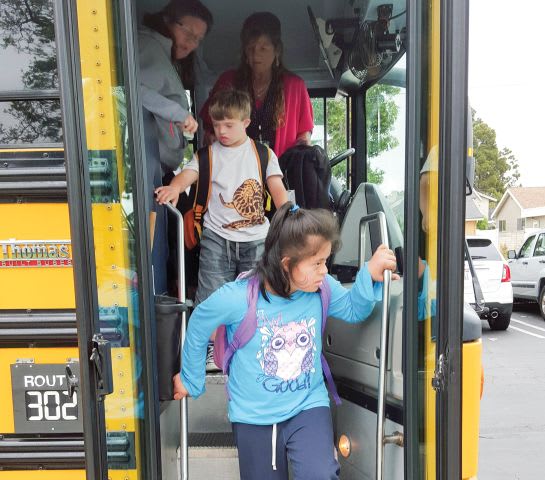
Photo courtesy Newport-Mesa (Calif.) Unified School District
Photo courtesy Newport-Mesa (Calif.) Unified School District
Complying with federal law on accommodating students with disabilities is essential, but it is also important to ensure each student is getting every possible opportunity to access the best education available.
Transportation directors are legally required to comply with Section 504 of the Rehabilitation Act of 1973. In a nutshell, that section states that people defined by the law as having disabilities cannot be discriminated against or excluded from, based on their disability, any programs or agencies receiving federal funds.
As amended in 1974, people with disabilities are defined as those who have or are considered to have “a physical or mental impairment” that significantly limits a major life activity, such as “caring for one’s self, walking, seeing, hearing, speaking, breathing, working, performing manual tasks, and learning.”
In simple terms, Section 504 states that organizations receiving federal funding cannot discriminate against someone with a disability.
Furthermore, “necessary accommodation” also needs to be provided. Necessary supplemental accommodation (NSA) services are those provided to people with a mental, neurological, physical, or sensory impairment or other problems that prevent them from getting program benefits in the same way that an unimpaired person would get them. If a school is providing services for disabled students, but a disabled student is unable to access them, then the services are of no value.
You may think, “I want to give disabled children the same opportunities and access that able-bodied children have. I will do what needs to be done to comply with 504 and to provide necessary accommodation.”
My Experience
I am a 40-ish man who was born with cerebral palsy. When I started school, the Rehabilitation Act of 1973 had only been an active piece of legislation for a few years. Looking back, the passing of this legislation must have scared a lot of superintendents, principals, business administrators, and transportation directors. School districts didn’t want to be seen as noncompliant and risk losing federal funding.
That being said, the first few years this legislation was active, any companies or organizations receiving federal funding were under the microscope to make absolutely sure they were complying with the legislation. As a result, school districts tended to act on the side of caution to make sure that they were in compliance.
Here’s the problem: disabled kids are fighters. They don’t know any different. They will fight to be normal, to be able to just do what normal kids do.
I can explain it best with what I call “the pizza principle.” I have two kids, ages 9 and 7. It’s family pizza night. There’s one slice left. They both want it. My older son will get to it first. My younger son will cry, yell, kick, punch, negotiate — whatever he thinks he has to do to get that slice from his brother.
In this analogy, my older son is the school district, as seen by the disabled student. My younger son is the disabled student. He’s fighting tooth and nail for what he wants, and the pizza is normalcy, inclusion.
I am one who is looking for my slice of pizza, but I am also someone with cerebral palsy. When I was about to start school, I was seen as having a very limited ability to achieve because of my disability. I was automatically put on a specially equipped bus with other children who also had physical, mental, and/or emotional limitations, and I was not going to be integrated into a regular kindergarten class.
By definition, the school district was in compliance with the requirements of 504 and was providing all necessary accommodation. The school district was providing transportation and an education similar to what would be provided to an able-bodied student.
The problem is, similar is not equal. I was capable of more. My family insisted that I be integrated into a regular kindergarten class, which I eventually was. However, of equal importance was that I be mainstreamed on a regular bus. It was important that I interact with able-bodied kids my age, because I didn’t see myself as different, even though that was and is the reality of the situation.
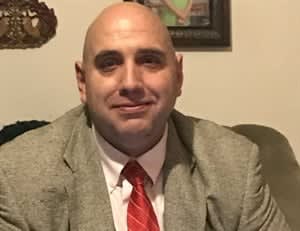
Jim Lynch is an author and motivational speaker who specializes in topics relating to the support of those with disabilities. If you would like him to present to your group, contact him at jimlynch5299@gmail.com.
Beyond 504
As a transportation director, you are legally required to comply with 504 and NSA, but each case is different, and needs to be viewed as such. For kids with disabilities, every day is a struggle. Some kids’ struggles are as severe as not being able to get from point A to point B without assistance, or not being able to feed or dress themselves. As a young person, my struggles were not as severe. Other than having a gait that was visibly different, I was for the most part just a normal kid on a school bus. My emotional development would have been severely stunted if my riding on a regular bus were denied. In a way, I would be the child left behind.
Emotional development is a significant part of education. We spend our whole lives interacting with our peers, and we initially develop that ability in school and, by extension, on a school bus.
As transportation directors, the goal should not be just to meet the minimum requirements of 504 and NSA. Ask yourself this question: In my compliance with 504 and providing necessary accommodation, am I doing all I can do to help educate this child?
I have spoken with transportation directors to encourage parents with “mildly disabled” children to mainstream them. I was both literally and figuratively allowed to fall and get back up. Being given that freedom made a huge difference in my life. I was never afraid to try new things.
Encourage all children to reach for their “slice of pizza.” Don’t look to the legally required minimum, but look at each case and where you can make a difference in a child’s life.
More Special Needs Transportation
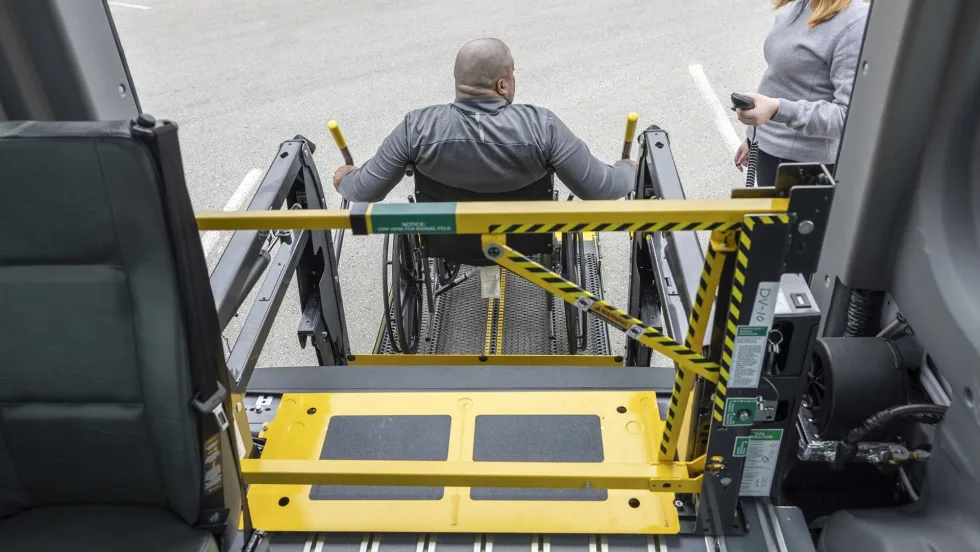
BraunAbility Introduces New Safety Barrier for Wheelchair Lifts
LiftSentinel is designed to add another layer of protection during wheelchair loading and unloading and can be retrofitted to many existing commercial lift installations.
Read More →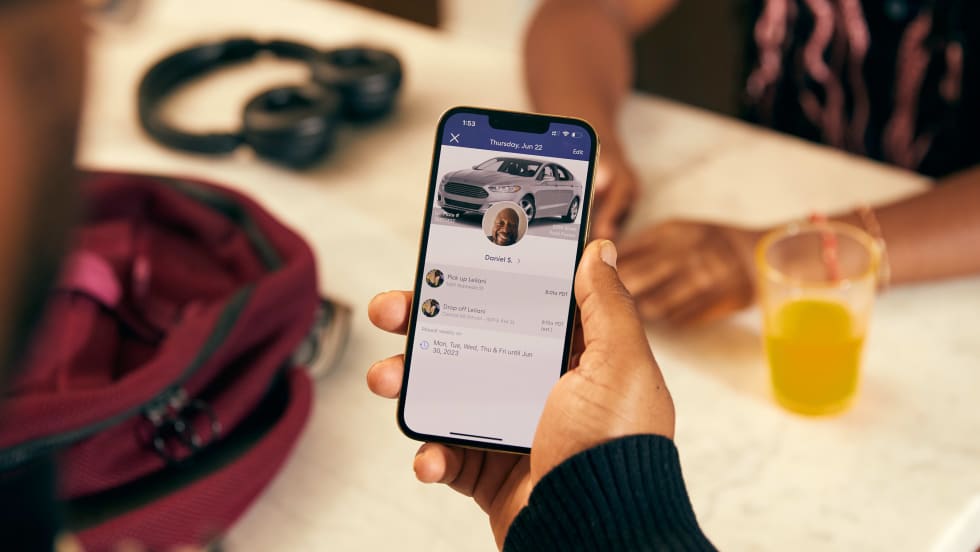
HopSkipDrive Launches New Safety, Driver Consistency Features for 2026-27 School Year
The company’s free ride recording, live ride tracking, and consistent driver assignments aim to improve safety and continuity for diverse student transportation needs.
Read More →
The Most Common Wheelchair Securement Mistakes on School Buses (and How to Fix Them)
Small missteps in wheelchair securement can have serious consequences. Here are 32 tips from experts to reduce risk and increase student safety on the bus.
Read More →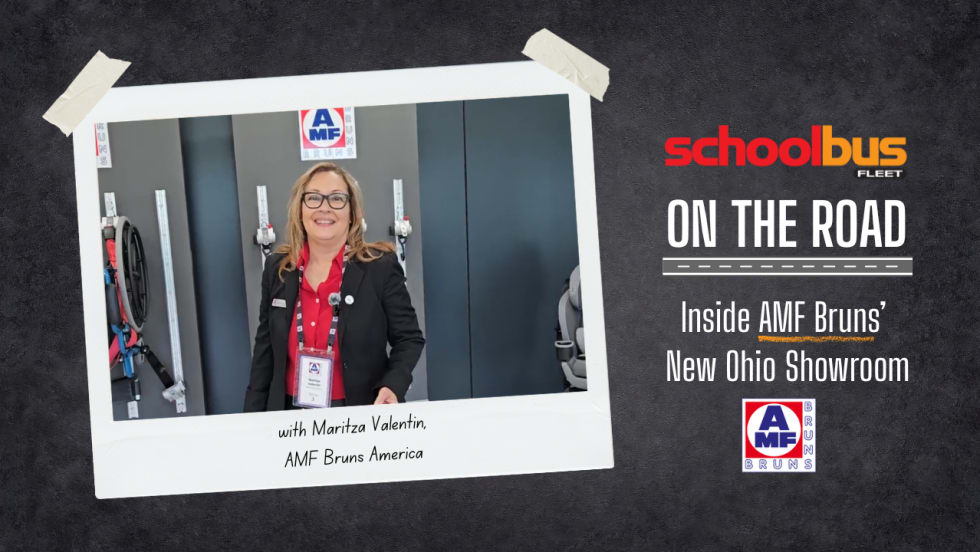
Inside AMF Bruns’ New Showroom: School Bus Securement Solutions Explained
Go inside AMF Bruns America’s new Ohio showroom with Maritza Valentin to see its FutureSafe technology, driver training tools, securement systems, and seating innovations.
Read More →
What AMF Bruns’ New Facility Means for Customers [Video]
Inside AMF Bruns’ new Stow, Ohio, operations: See how expanded space and innovation will enhance customer support and operations.
Read More →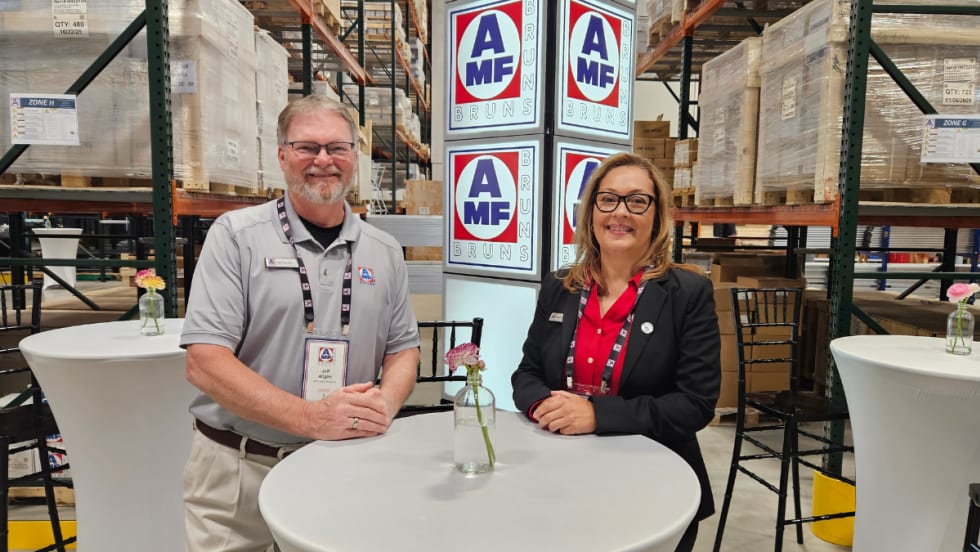
AMF Bruns Expands in Ohio, Investing in Growth and Community
With expanded production space, local investment, and a growing workforce, AMF Bruns is scaling its U.S. presence. Here’s an exclusive first look inside the new Stow, Ohio, HQ.
Read More →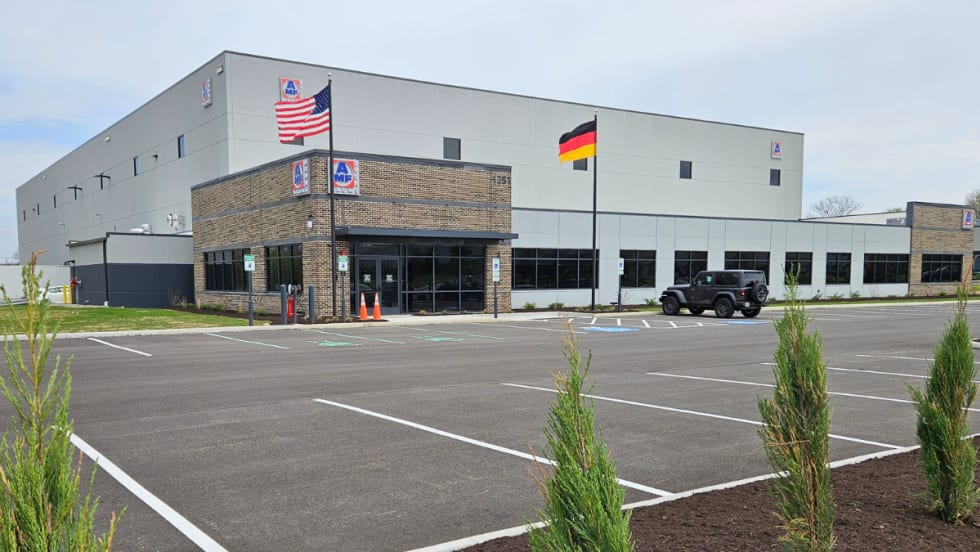
Inside AMF Bruns of America’s New Ohio Manufacturing Facility [Photos]
Take a behind-the-scenes look at AMF Bruns of America’s new 41,000-square-foot Stow, Ohio, headquarters, featuring advanced manufacturing, expanded space, and future-ready mobility solutions.
Read More →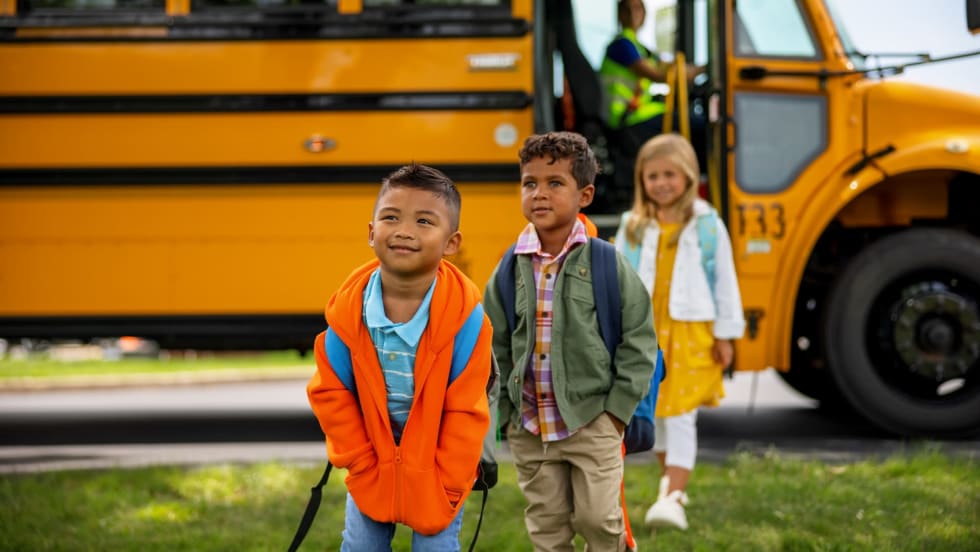
First Student Boosts Student Support in Wichita & Texas
First Student and Wichita Public Schools are using behavioral support strategies to improve student ride experiences, while a separate initiative expands access to after-school programs through a bus donation.
Read More →
2026 Special-Needs Transportation Survey
What’s changing in special-needs transportation? This year, student transportation operators report a rising need, easing driver shortages, growing tech adoption, and evolving challenges. Sponsored by AMF Bruns of America.
Read More →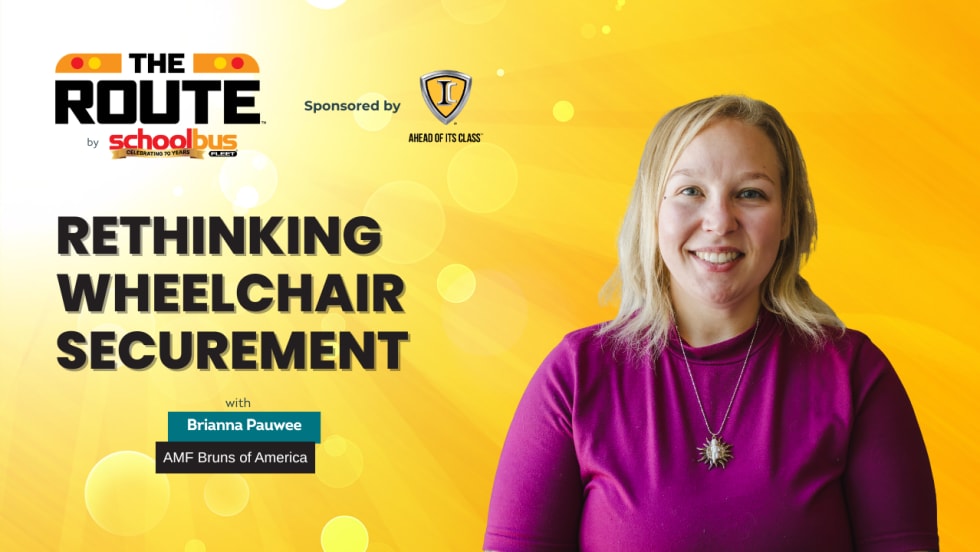
The Lived-Experience Gap in Mobility Tech: An Expert Take on Safe Student Transportation
Brianna Pauwee, a product application specialist at AMF Bruns of America and a wheelchair user, drops in to The Route to share practical securement and training insights, plus the story behind the new “Beyond Mobility” podcast. The Route is sponsored by IC Bus.
Read More →