




Related: Helping School Bus Drivers Turn Downtime Into Uptime
Q&A: Mindy Feldbaum Shares Tips for Managing a Multigenerational Workforce
Mindy Feldbaum, vice president of workforce programs at AARP Foundation, offers guidance on accommodating and retaining employees from a variety of age groups.

Nicole Schlosser・Former Executive Editor

Mindy Feldbaum, VP of workforce programs at AARP Foundation, gave a keynote speech at the NAPT conference on accommodating and retaining employees from a variety of age groups.
Photo courtesy Mindy Feldbaum
4 min to read
Over the last two decades, Mindy Feldbaum, the vice president of workforce programs at AARP Foundation, has dedicated her career to helping boost economic opportunity and mobility for low-income workers. She currently oversees AARP Foundation’s workforce programs, many of which aim to help older adults increase economic opportunity and achieve financial security.
Feldbaum will speak to National Association for Pupil Transportation (NAPT) attendees at the association’s conference in Columbus, Ohio, on Nov. 3 about today’s multigenerational workforce. Here, she shares with School Bus Fleet tips for accommodating and retaining employees from a variety of age groups.
1. Do we have more people from different generations working together than we used to?
For the first time, five generations are participating in the labor market. These include: Greatest Generation/Traditionalists, Baby Boomers, Generation X, Millennials, and Generation Z. The trend of these generations working side by side is here to stay and it provides a great opportunity for workers to reimagine how they can unlock their full potential through work and learning over a lifetime, and for employers to adopt new strategies and approaches to building an age-inclusive, multigenerational workforce.
2. Do Baby Boomers and Millennials tend to get examined so often because they comprise the biggest parts of the U.S. population? How do Gen X, Gen Z, and Greatest Generation/Traditionalists factor into the workplace now?
Yes, there have been many discussions in the media about Baby Boomers and Millennials since they do comprise the biggest parts of the U.S. working population. Millennials also came into the workforce during the Great Recession so unfortunately, some media discussions have pitted the generations against each other, particularly in relation to long term economic security.
Given the need for a highly-skilled workforce and that businesses are fiercely competing for talent in a rapidly changing economy, all five generations will play a critical role in the current and future workplace — bringing a diversity of perspectives, abilities, skills, and knowledge.
The workforce is aging, and according to a study conducted for AARP by Aon Hewitt, the number of Americans over 50 who are working or looking for work has grown significantly and is expected to continue to increase. These older workers are part of the Greatest Generation/Traditionalist, Generation X, or Baby Boomers cohorts and bring valuable experience, expertise, institutional knowledge, emotional intelligence, high levels of engagement, low turnover, and other traits to the workplace.
Many older workers are staying in the labor market longer because they need the income to support living longer or want to remain active and contribute in a meaningful way. Unfortunately, three in five older workers have either seen or experienced age discrimination in the workplace, according to an AARP survey.
Studies have shown that organizations that embrace an age-inclusive, multigenerational workforce remain competitive and have the capacity for innovation and growth. This is due to increased performance, improved employee engagement and productivity, and long-term stability, particularly when older workers, with the institutional knowledge, wisdom, and experience, are retained and tenure is valued in the organization.
3. How does having employees from a variety of generations impact school transportation teams in particular?
Like in many industries and jobs, school transportation teams have been impacted by the demographic changes in the workplace because of the aging workforce. Although having five generations in the workplace may present some challenges, I believe there will be many more opportunities, particularly because the market for talent today is very competitive.
Public and private transportation companies should find ways to invest in age-inclusive policies and practices and deploy these new strategies to attract and retain a highly skilled and multigenerational workforce. A few examples include expanding existing benefits so employees can manage their work-life responsibilities at any life stage; providing flextime, telecommuting, phased retirement, and part-time employment; creating intergenerational mentorship opportunities to promote a positive attitude toward an age-diverse work environment; and investing in work-related training for all current workers to help organizations and workers remain competitive and increase retention.
4. So much is made of generational differences. Is there anything in terms of work or management styles that these generations have in common?
Quite a few studies have shown that there are relatively small differences in generations and those that do exist can be attributed to other factors such as life stages. It may be much more productive for employers to identify similarities across generations, as it can help to increase multigenerational understanding, collaboration, and foster an age-inclusive culture.
Workers across generations want many of the same things, such as financial security, work-life balance, flexible work and benefit options, meaningful work, a respectful, equitable, and inclusive work environment, and learning and growth opportunities.
Subscribe to Our Newsletter
More Management
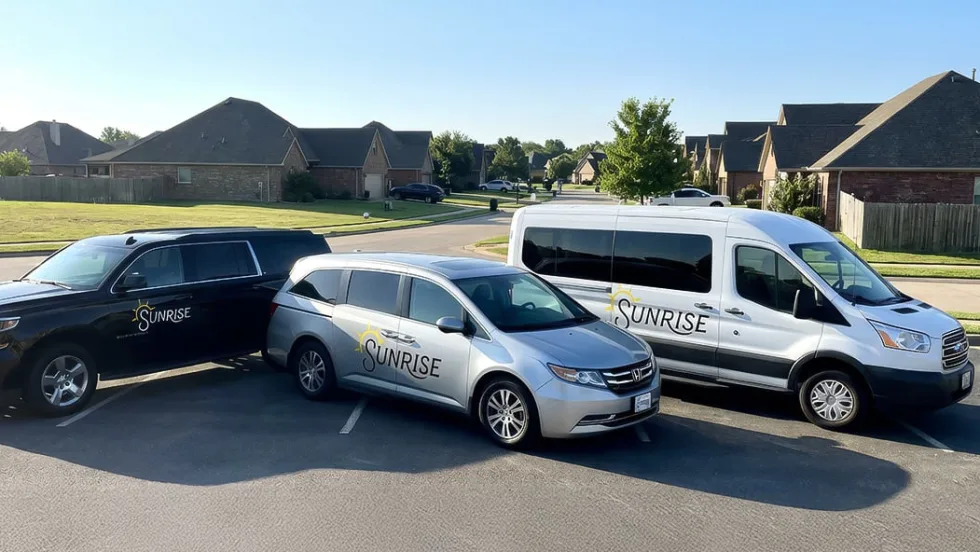
STA Acquires Sunrise Transportation
Student Transportation of America expands in Illinois and Connecticut through Sunrise's fleet of nearly 1,000 vehicles.
Read More →
EPA Opens $180M DERA Funding Round for Diesel Upgrades
The 2026 Diesel Emissions Reduction Act program seeks applications from eligible organizations to accelerate the retirement of legacy diesel vehicles.
Read More →
HopSkipDrive’s CareEngine Targets the ‘Exceptions’ in Student Transportation
The new platform works alongside districts’ existing transportation management systems to coordinate specialized rides, automate last-minute changes, and turn ride data into operational improvements.
Read More →


The Right Ride for Every Student: Navigating the New Student Transportation Ecosystem
How should districts blend school buses with small-vehicle transportation and other options? EverDriven CEO Mitch Bowling discusses safety, costs, partnerships, and strategy.
Read More →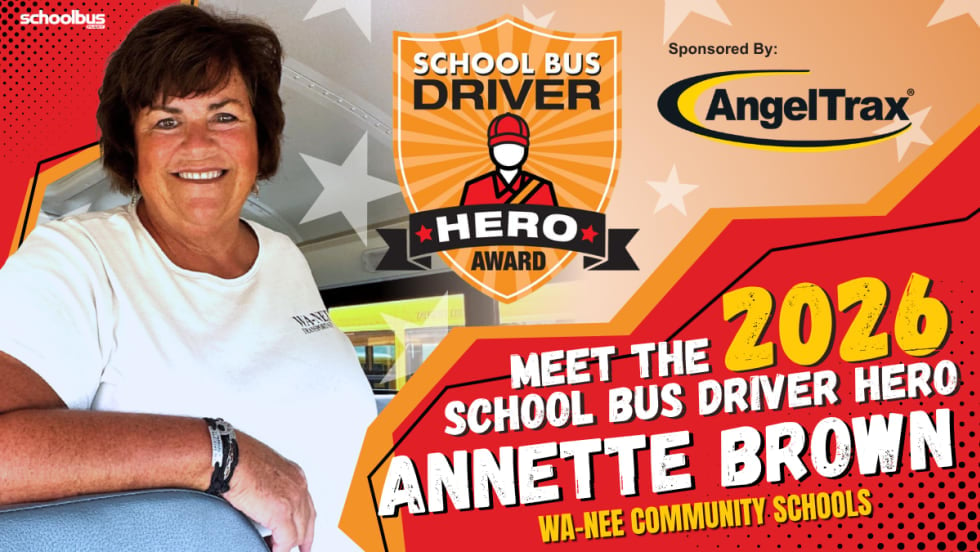
Annette Brown Always Takes the Extra Time: Meet Our 2026 School Bus Driver Hero
For more than 30 years, the Wa-Nee Community Schools driver has treated students like family, combining safety, compassion, and servant leadership to make a lasting difference on and beyond the school bus.
Read More →
How to Build a Better Driver Training Program
Ready to boost up your school bus instructor training? Here’s how to pick the right talent and improve recruitment, retention, and safety.
Read More →
CALSTART and Forth Combine to Form Catalyst Mobility
The new name represents a renewed vision for the nonprofit focused on advancing clean, equitable, and affordable transportation solutions that move people and goods.
Read More →
What Makes a Great School Bus Driver Trainer?
Choosing the right school bus driver trainer takes more than experience. Learn six keys to selecting and developing trainers and evaluating program effectiveness.
Read More →
School Bus Contractors Expand Through New Deals, Acquisitions & Partnerships
STA's Canadian division acquires Ontario-based G&L Stevenson Transport; Durham School Services adds a new district in California; First Student expands in New Jersey; and Minnesota Coaches rebrands and acquires Halo Transportation.
Read More →
Logan Bus Company Rolls Out AI Phone System for NYC School Bus Families
A summer pilot found that AI agents could handle most routine calls, freeing up time for customer service staff to focus on emergencies and complex family concerns.
Read More →