


 MENU
 SEARCHMENUSEARCH
Loading data...

The New York School Bus Contractors Association will hold its 61st annual convention from Oct. 16 to 18 in midtown Manhattan. The event will focus on school bus safety and security, alternative fuel solutions and effective management evaluation.
Read More →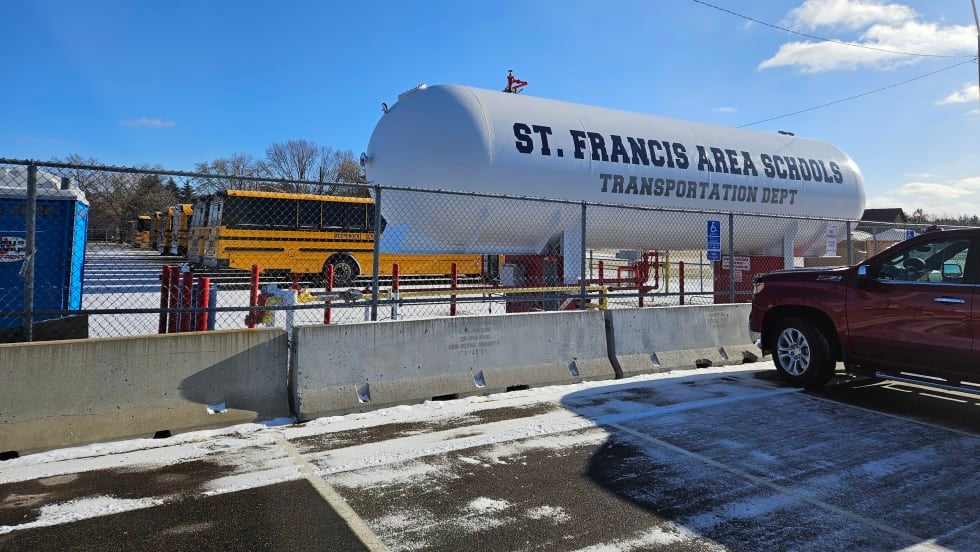




The company will replace the fleet of Council Rock School District in Newtown, Pennsylvania, with 150 of the alternative-fuel buses and will continue to provide service to two Missouri school districts.
Read More →With several variations of buses on the road now, take a look at how different fuel types handle the cold, and useful products for any school district that utilizes the yellow bus.
Read More →David Duke brings a wealth of industry experience to his new role as CEO of National Express Corp. Here, he discusses his objectives in the position, along with such timely topics as fuel prices and school district budget constraints.
Read More →The U.S. Energy Information Administration expects the average price of diesel to rise about 28 percent from 2009 through 2011. A smaller increase is projected for average gasoline price.
Read More →From inventory hurdles to alt-fuel demand, school bus dealerships dish on what’s working, what’s not, and what schools really want on the road.
Read More →The IPA Mobile Tire Pressure Equalizer can accurately read tire pressure and inflate up to five tires at the same time. Company officials say accurate tire pressure can help in achieving the best fuel economy and tread life possible.
Read More →For operations that run propane or CNG school buses, suppliers can provide customized solutions for efficient and reliable fueling.
Read More →The new Transit chassis is lighter than the Ford E-350 and E-450 cutaways, which officials say allows for higher payloads and improved fuel economy in a Type A bus.
Read More →Last year, more than 90% of the large school buses sold were diesels. But as alt-fuel options catch on and stricter emissions standards loom on the horizon, some experts project that diesel will make up less than two-thirds of the market by 2020.
Read More →