


 MENU
MENU SEARCHMENUSEARCH
Loading data...

Students with osteogenesis imperfecta have bones that break easily. In spite of the urgency of a school bus evacuation, these passengers must be moved slowly and carefully.
Read More →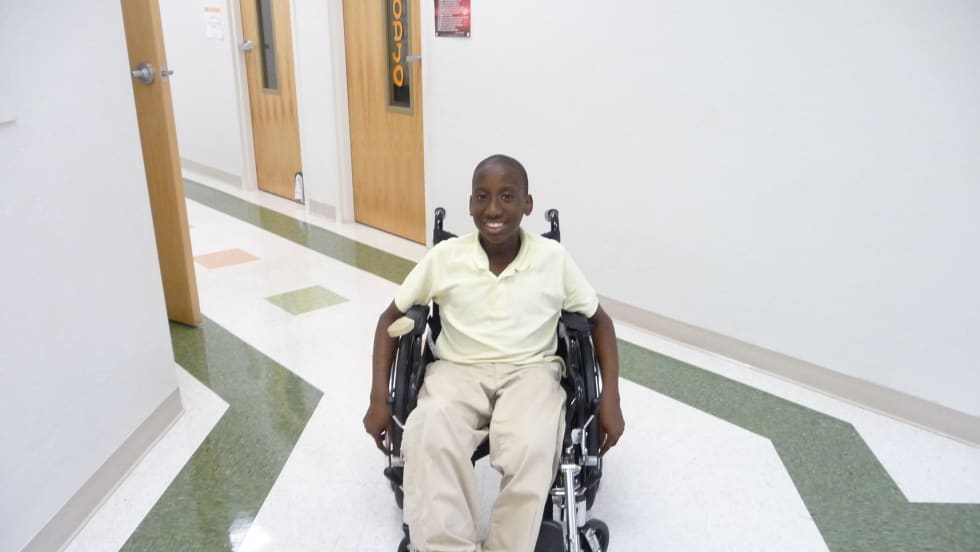

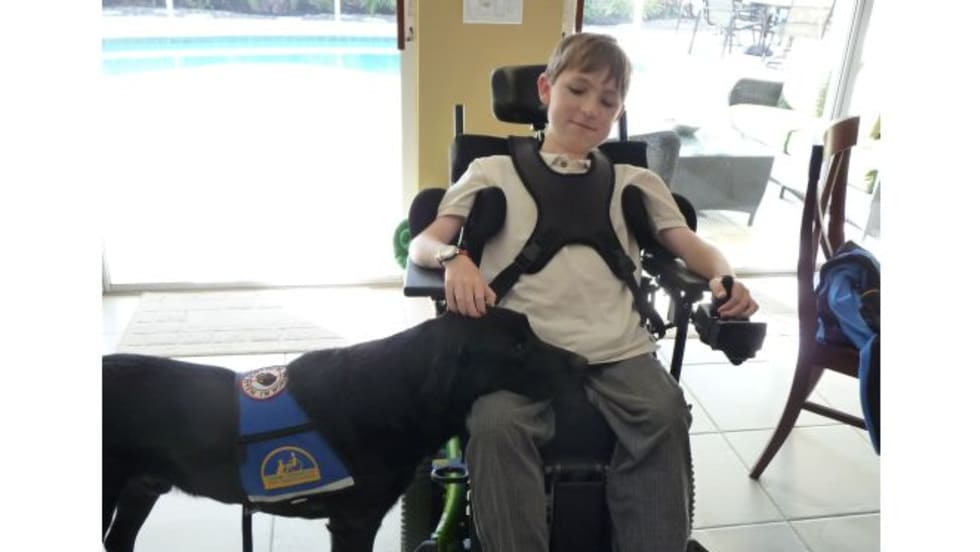
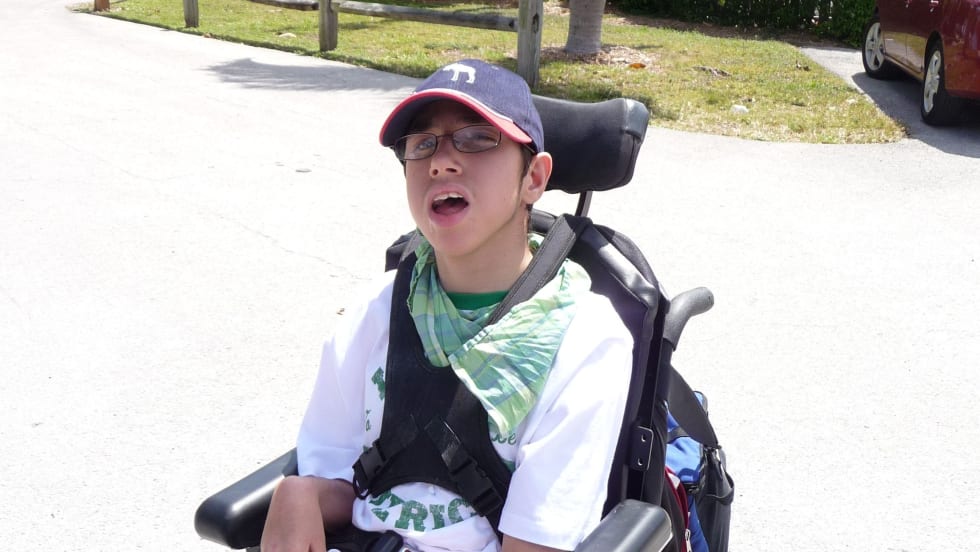
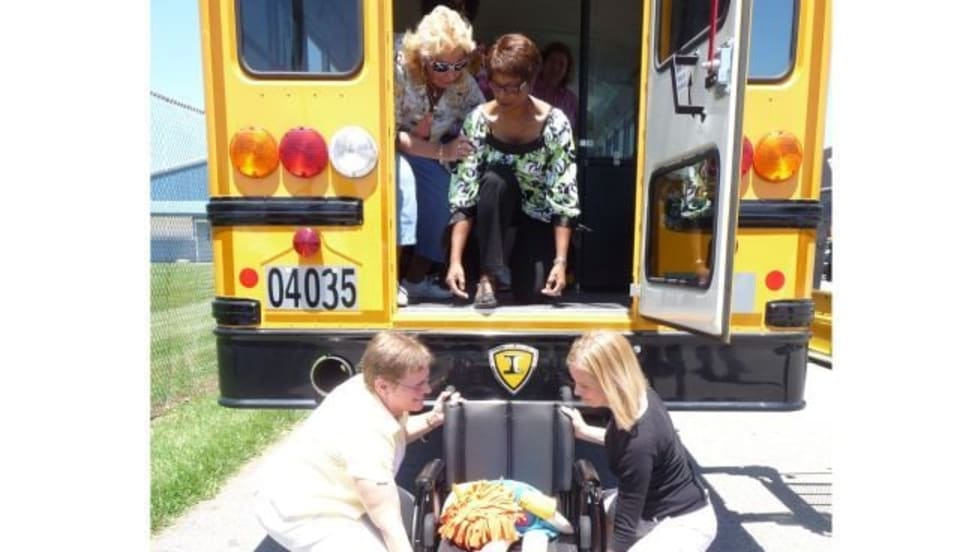
This condition is a birth defect that involves incomplete development of the spinal cord, often resulting in paralysis of a student's lower extremities. Many with spina bifida will be totally dependent on the bus staff, so a well thought out evacuation plan is critical. Part 4 of this series also covers spinal cord injuries.
Read More →Part 3 of this series focuses on spinal muscular atrophy, which is a group of inherited diseases that cause progressive muscle degeneration and weakness. Knowing how to carry passengers with this condition on an evacuation device and including a nurse in training drills will help to ensure their safety.
Read More →Part 2 of this series focuses on Duchenne muscular dystrophy, which causes deterioration of muscle tissue in boys. Knowing how to lift these passengers properly is critical for a safe emergency exit from the bus.
Read More →A physical therapist explains common disabilities and how they affect school bus emergency evacuations. This article, focusing on students with cerebral palsy, is the first in a series.
Read More →Physical and occupational therapists are a great asset to an operation. Help them to see the critical role they play in assisting with the transport of special-needs students by soliciting their expertise on body mechanics, disabilities and mobility devices. Ensure that they participate in evacuation training and drills.
Read More →From loading procedures to proper footwear to student discipline, pupil transportation professionals share their tips for reducing risks on and off the bus.
Read More →