


 MENU
 SEARCHMENUSEARCH
Loading data...

Check out some of the latest moves where alternative fuels and school buses intersect, including manufacturing expansions, major funding awards, and energy storage strategies.
Read More →


School districts across the U.S. are moving electric school bus plans into operation, with new fleet deployments, charging infrastructure, and long-term electrification partnerships taking shape.
Read More →WRI’s latest buyer’s guide points to a consolidating electric school bus market, but fewer options may reflect a maturing industry rather than fewer meaningful choices for school bus operators.
Read More →Judson Independent School District (JISD) has received a $249,304 grant from the Texas Commission on Environmental Quality’s (TCEQ) Clean School Bus Program.
Read More →Fairfax County reflects on 9/11 FAIRFAX COUNTY, Va. — Most Virginia transportation operations were not directly affected by the events...
Read More →In our upcoming June issue, we will focus on school districts’ and contractors’ environmental efforts in "Green Fleets Across America.” We’re accepting nominations through March 23, and criteria may include use of emission-reducing equipment, use of alternative fuels and anti-idling policies.
Read More →Minimizing idling, maximizing tires and fuel, and recycling some shop supplies are inexpensive green strategies that transportation departments can easily implement at their operations.
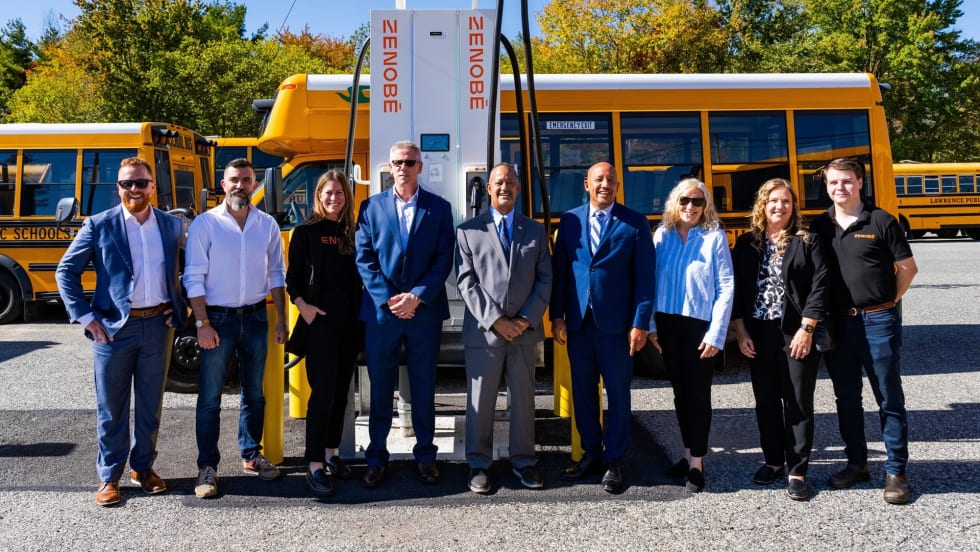
Read More →Lawrence Public Schools in Massachusetts worked with NRT Bus Inc. and Zenobē to deploy 25 new electric school buses and 10 minibuses funded through both federal and state programs.
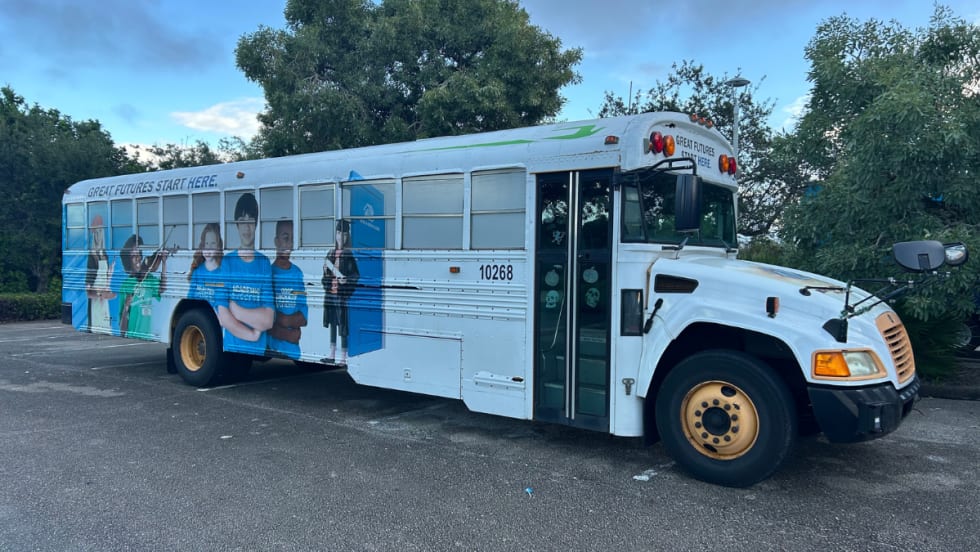
Read More →The Boys and Girls Club of Martin County continues to operate the first ROUSH CleanTech propane-powered Blue Bird Vision bus, still running strong more than a decade after its debut.
Read More →The proposed legislation would renew federal support for cleaner school buses as districts navigate funding uncertainty, rising fuel and infrastructure costs, and fleet replacement needs.
Read More →