


 MENU
MENU SEARCHMENUSEARCH
Loading data...

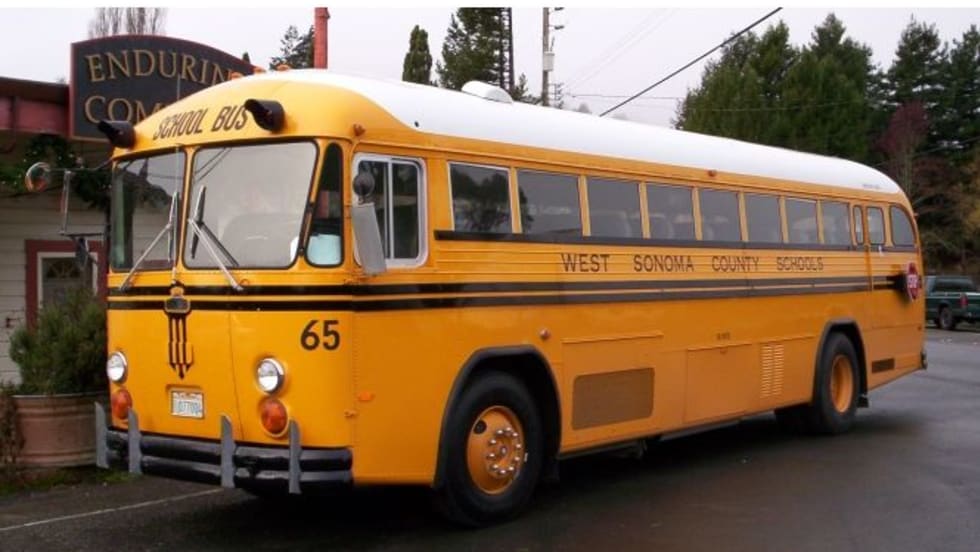
The Missouri Department of Natural Resources receives $999,460 for its “Clean Up Missouri” Project to replace, retrofit and repower school buses throughout the state, while the Kansas Department of Health & Environment receives $343,450 for similar efforts. The money will go toward 196 school buses in Missouri and 59 buses in Kansas.
Read More →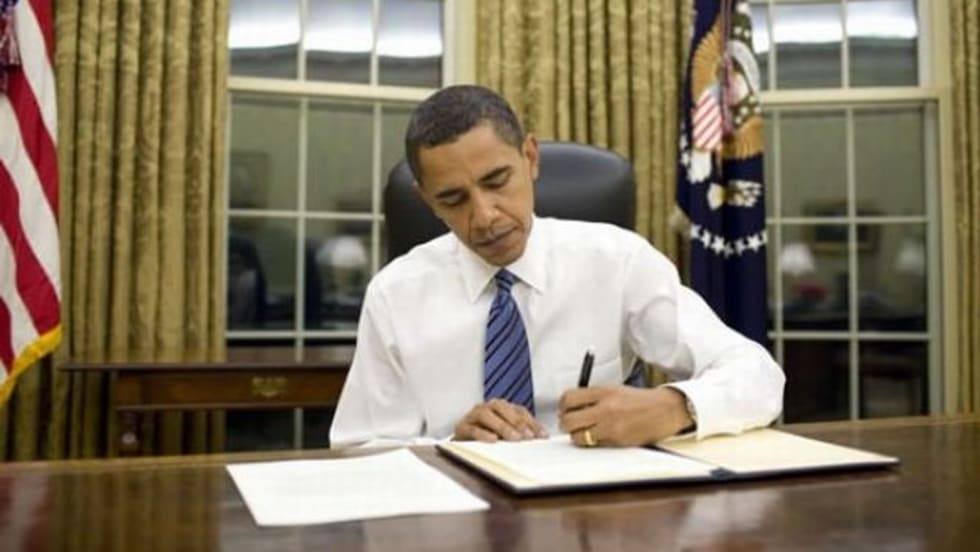
President Obama recently announced he was ordering the creation of a new national policy that would result in less greenhouse gas pollution from medium- and heavy-duty trucks for the first time. It seems to me the linchpin of long-term success here is simple: Companies still have to meet customer demands at an affordable price.
Read More →The Obama administration says that under its new standards for fuel efficiency and pollution, trucks and buses built in 2014 through 2018 will reduce oil consumption by a projected 530 million barrels and greenhouse gas by about 270 million metric tons.
Read More →The company’s plant in North Carolina builds the 10,000th ISL G natural gas engine, which can be used in school buses. Officials say this makes the ISL G the largest single automotive natural gas engine production in Cummins history. Key features of the unit include power ratings from 250 to 320 horsepower and up to 1,000 lb.-ft. of torque.
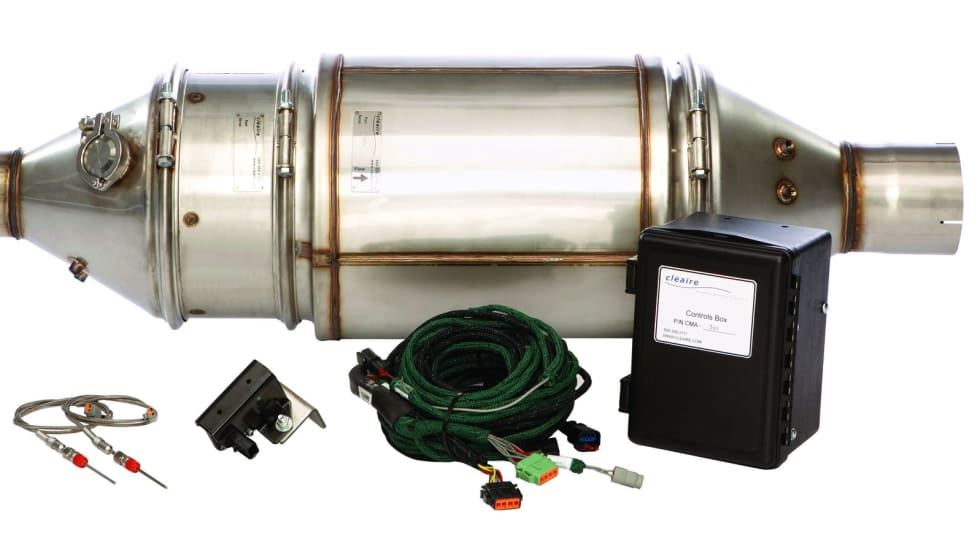
Read More →From diesel particulate filters to diesel oxidation catalysts to crankcase filtration systems to a hybrid system, there are numerous products available to the industry. Their emission-reduction capabilities range from 20 to more than 90 percent, and they can be applied to a variety of engines and school buses.
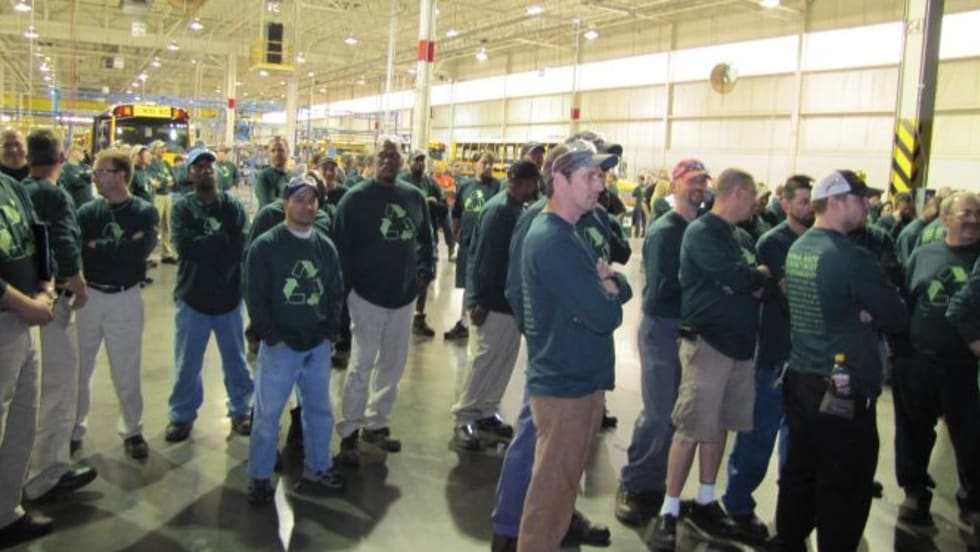
Read More →The school bus manufacturer has zero-waste-to-landfill operations, meaning that everything received or produced by Thomas Built is used, reused, recycled or sold, and nothing is sent to a landfill. The company is also participating in a solar panel project, and all of its manufacturing facilities became ISO 14001 certified last year.
Read More →The news comes as the president’s administration releases the fiscal year 2012 budget. The DERA authorizes the allocation of grant funding for the EPA’s National Clean Diesel Campaign, which has helped pupil transportation operations reduce emissions from their school buses by providing money for pollution-control technology.
Read More →The manufacturer says that customers are seeing fuel economy savings with its school buses equipped with SCR to meet the EPA standards. An Indiana transportation director gives details on his district’s experience with the technology.
Read More →Houston Independent School District receives a total of $2,120,500 from the Texas Commission on Environmental Quality and the Railroad Commission of Texas to help buy the buses. The money will fund 70 percent of the cost, with the district covering the rest.
Read More →Among the changes to the California Air Resources Board’s Truck and Bus Regulation is the amount of time that school bus operations have to get their buses to comply with emissions-control technology percentage limits. A member of the state’s School Transportation Coalition discusses with SBF the organization’s problems with the regulation, including its view that it creates an unfunded mandate for school districts.
Read More →