


 MENU
MENU SEARCHMENUSEARCH
Loading data...

The Pittsfield (Mass.) City Council will trade in 52 buses and buy 43 new buses that Pittsfield Public Schools will own and operate. The district has also hired a consultant to do a one-month study of the fleet’s efficiency, which will help the next time it looks into buying a new fleet, and it could help in creating space for students who would pay to ride the buses.
Read More →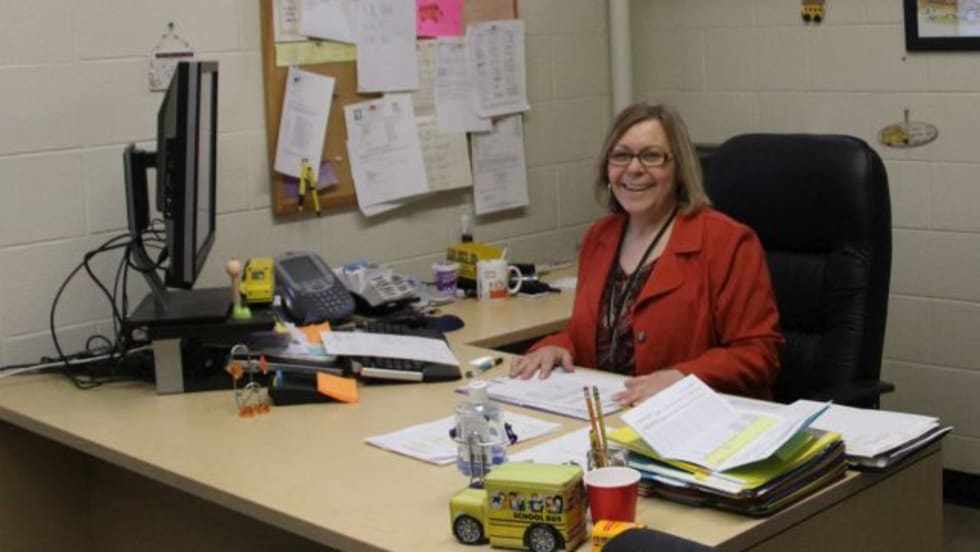
The new technology, which can be used on school buses, features the Driver Awareness Panel, an in-vehicle display that provides drivers with coaching through visual and audible notifications to drive more efficiently. Company officials say that by helping to improve driving behavior, the product can deliver fuel savings of up to 10%.
Read More →The board at Minnesota’s South Washington County Schools approves a plan to adjust bell times from four to three tiers, which will go into effect for the 2014-15 school year. However, the board decides against shortening walking distances to the levels at which they had been up until last school year.
Read More →A Hawaii Department of Education official says that the anticipated savings from Oahu’s school bus reform initiative, which is part of a statewide plan to overhaul the transportation program, is $100,000 more than what officials originally expected by the end of the 2013-14 school year. Meanwhile, the department is expanding service in the pilot area, which includes about 30 schools, while decreasing the number of buses in the fleet.
Read More →Since joining Green Brook Township Public Schools in 2008, Transportation Supervisor Nancy Farinella has been able to achieve annual cost savings ranging from $50,000 to more than $150,000 by making the operation more efficient while also bringing in an average of $125,000 per year in revenue for the district. She discusses how, along with her passion for her team.
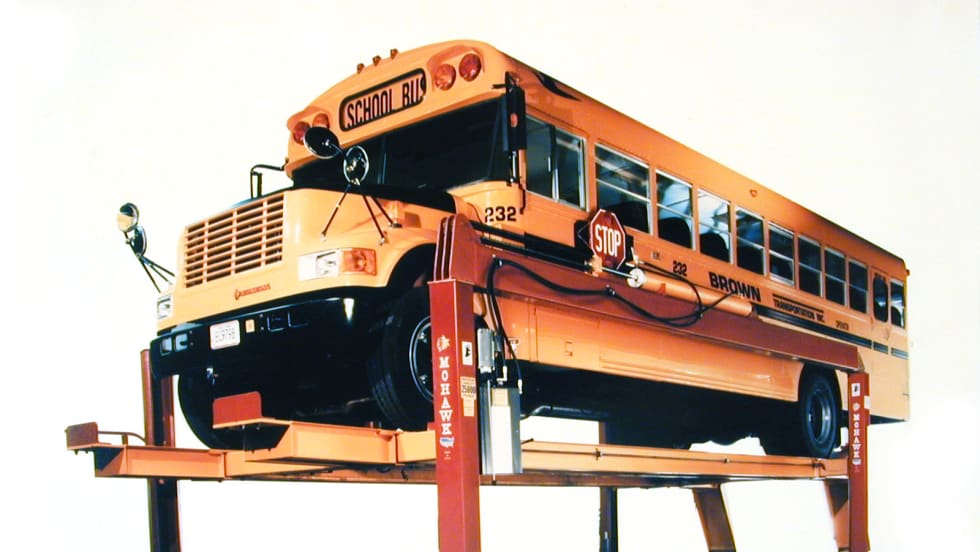
Read More →Features such as mechanical locks, remote control, LED lighting and lighter weights for more portability make servicing buses even safer and more efficient.
Read More →In a blog post on Tuesday, the company discusses this and other benefits of the initiative, which is designed to cut down carbon emissions while simultaneously improving safety. “Smart” stands for: Safe driving, Managing speeds, Avoiding rapid acceleration and hard braking, Reducing idling, and Talking to maintenance.
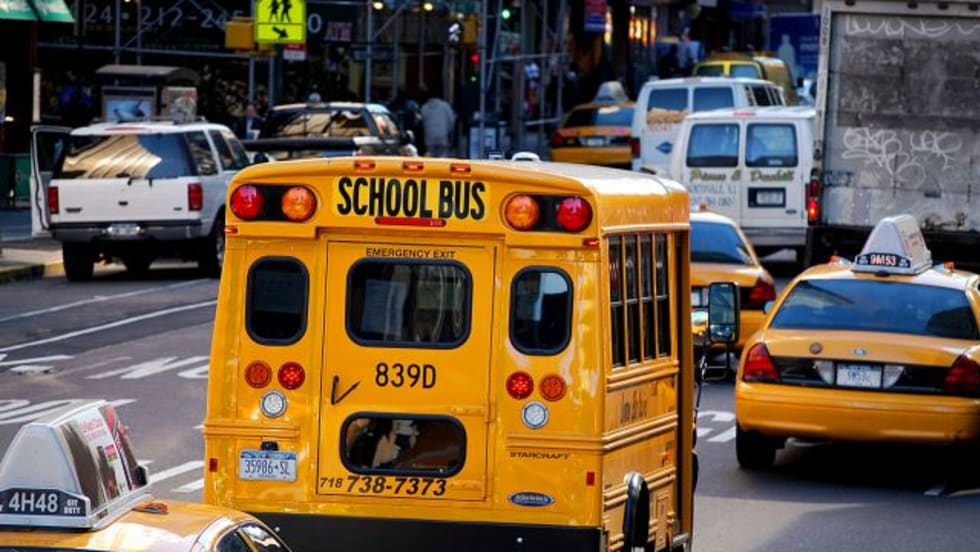
Read More →In an effort to prevent late buses and enhance transportation service, Minnesota’s South Washington County Schools is proposing to change from a four-tier bell time schedule to three tiers. Another change under consideration would be to reduce walking distances from 1.5 miles to 1 mile for middle school students and from 2 to 1.5 miles for high school students.
Read More →Manipulating time and space to optimize system design sets a foundation for efficiency in special-education transportation. Here is an introduction to the concept and three examples in which its application could have saved countless dollars.
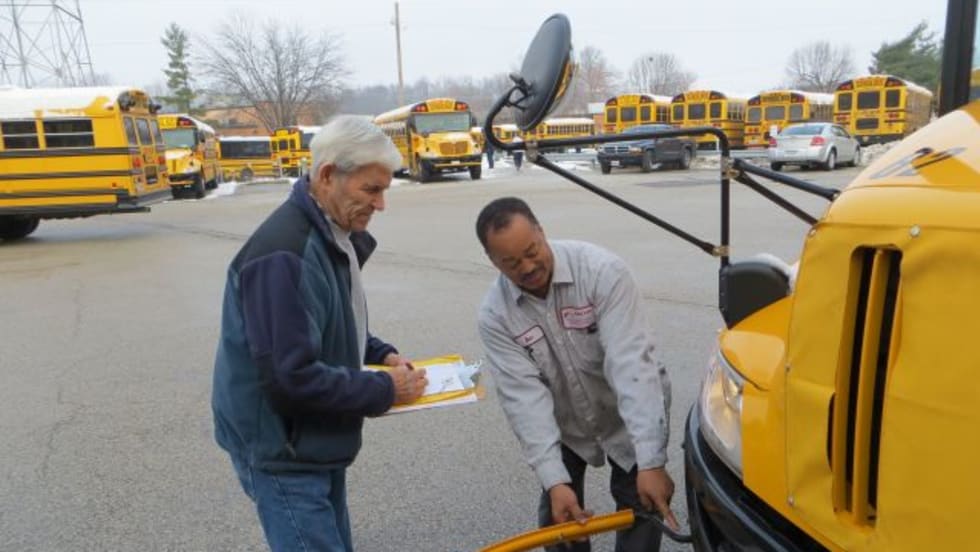
Read More →Clear communication is also essential to a solid working relationship between these groups of employees. In-service or safety meetings provide an opportunity for growth in these areas by allowing drivers to learn about their buses and ask the techs questions. Drivers must also be proactive in reporting maintenance concerns.
Read More →