




Study: Students with disabilities more likely to be bullied
The study published in the Journal of School Psychology finds that students who receive special-education services are at increased risk for bullying others, for being bullied and for being sent to the school office for disciplinary problems. Students with observable disabilities, such as language or hearing impairments or mild mental handicaps, report the highest levels of bullying others and being bullied themselves.

LINCOLN, Neb. — Students who receive special-education services for behavioral disorders and those with more obvious disabilities are more likely to be bullied than their general-education counterparts — and are also more likely to bully other students, a new study shows.
The findings, published in the Journal of School Psychology, highlight the complexity of the nature of bullying and the challenges in addressing the problem, said lead author Susan Swearer, professor of school psychology at the University of Nebraska-Lincoln.
"These results paint a fairly bleak picture for students with disabilities in terms of bullying, victimization and disciplinary actions," Swearer wrote. "Sadly, these are the students who most need to display prosocial behavior and receive support from their peers."
The research followed more than 800 special-ed and general-ed students between the ages of 9 and 16 at nine different elementary, middle and high schools. More than a third (38.1%) said they had bullied other students. At the same time, 67% said bullies had victimized them.
The study found that students who received special-education services were at increased risk for bullying others, for being bullied, for being sent to the school office for disciplinary problems and for engaging in antisocial behavior. In particular, students with observable disabilities — language or hearing impairments or mild mental handicaps — reported the highest levels of bullying others and being bullied themselves.
"The observable nature of the disability makes it easy to identify those students as individuals with disabilities, which may place them at greater risk for being the easy target of bullying," Swearer and her co-authors wrote. "Also, being frustrated with the experience of victimization, those students might engage in bullying behavior as a form of revenge."
Also among the study's findings:
● Students with non-observable disabilities, such as a learning disability, weren't affected as much. They reported similar levels of bullying and victimization as students without disabilities, and reported significantly less victimization compared with students with more outward behavioral disabilities.
● As general-education students who bullied others progressed through middle school, their bullying behaviors increased through and peaked at seventh grade — and then steadily decreased.
● Both boys and girls engaged in bullying. Gender differences in both general-education and special-education students were statistically insignificant when it came to the behavior.
● For students in general education, there was a major difference by grade level in their experience with victimization. Fifth-graders reported much more victimization than sixth-, seventh-, eighth- and ninth-graders. But for students in special education, there was no difference by grade level.
The authors suggest several steps to address their findings. First, anti-bullying interventions emphasizing prosocial skills should be implemented for students, regardless of their ability. Students in general education could help the process by serving as prosocial role models for students with disabilities. Also, the authors suggest, helping students with observable disabilities become better integrated into general-education classes may help prevent them from being bullied.
"Programming should be consistently implemented across general and special education, should occur in each grade and should be part of an inclusive curriculum," the authors wrote. "A culture of respect, tolerance and acceptance is our only hope for reducing bullying among all school-aged youth."
In addition to Swearer, the study was authored by Cixin Wang at the Kennedy Krieger Institute at Johns Hopkins University; John W. Maag, professor of special education at the University of Nebraska-Lincoln; Amanda B. Siebecker of Boys Town Behavioral Health Clinic; and Lynae J. Frerichs, a pediatric psychologist with Complete Children's Health in Lincoln.
Other recent stories on bullying:
● Bullied bus monitor starts anti-bullying foundation
● First Student, filmmakers partner on anti-bullying campaign
More Special Needs Transportation
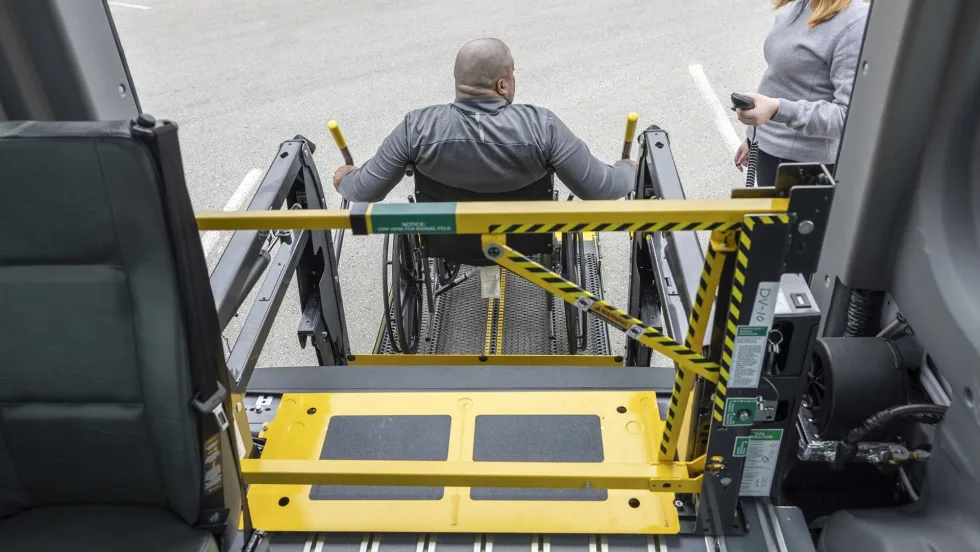
BraunAbility Introduces New Safety Barrier for Wheelchair Lifts
LiftSentinel is designed to add another layer of protection during wheelchair loading and unloading and can be retrofitted to many existing commercial lift installations.
Read More →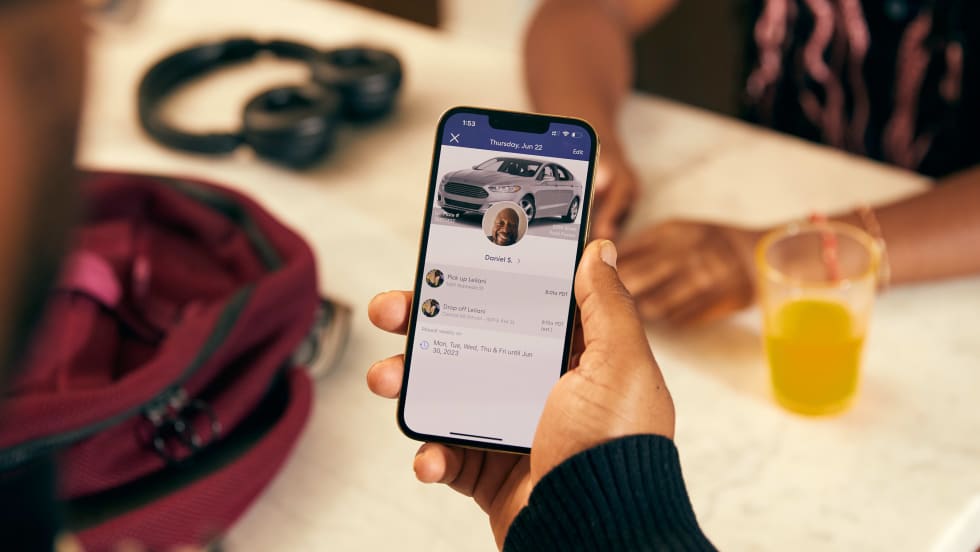
HopSkipDrive Launches New Safety, Driver Consistency Features for 2026-27 School Year
The company’s free ride recording, live ride tracking, and consistent driver assignments aim to improve safety and continuity for diverse student transportation needs.
Read More →
The Most Common Wheelchair Securement Mistakes on School Buses (and How to Fix Them)
Small missteps in wheelchair securement can have serious consequences. Here are 32 tips from experts to reduce risk and increase student safety on the bus.
Read More →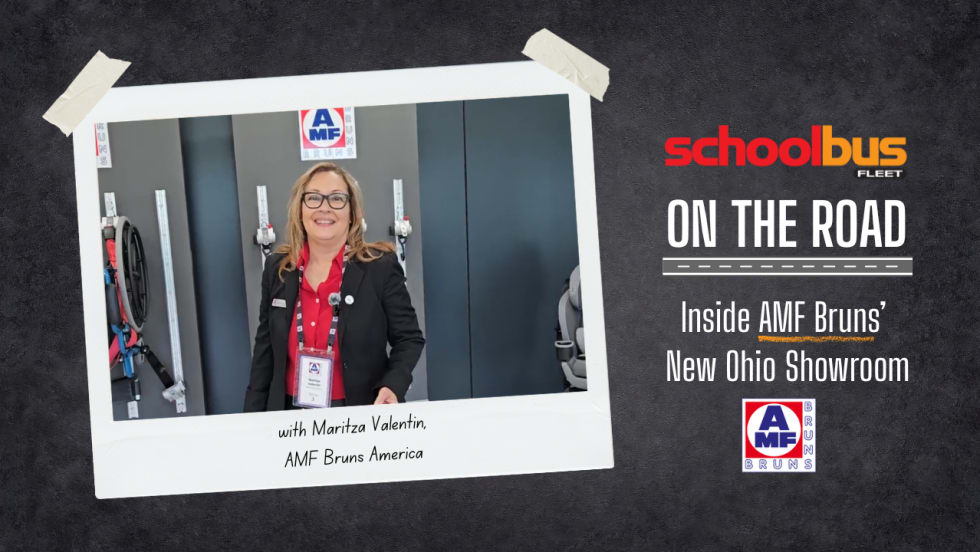
Inside AMF Bruns’ New Showroom: School Bus Securement Solutions Explained
Go inside AMF Bruns America’s new Ohio showroom with Maritza Valentin to see its FutureSafe technology, driver training tools, securement systems, and seating innovations.
Read More →
What AMF Bruns’ New Facility Means for Customers [Video]
Inside AMF Bruns’ new Stow, Ohio, operations: See how expanded space and innovation will enhance customer support and operations.
Read More →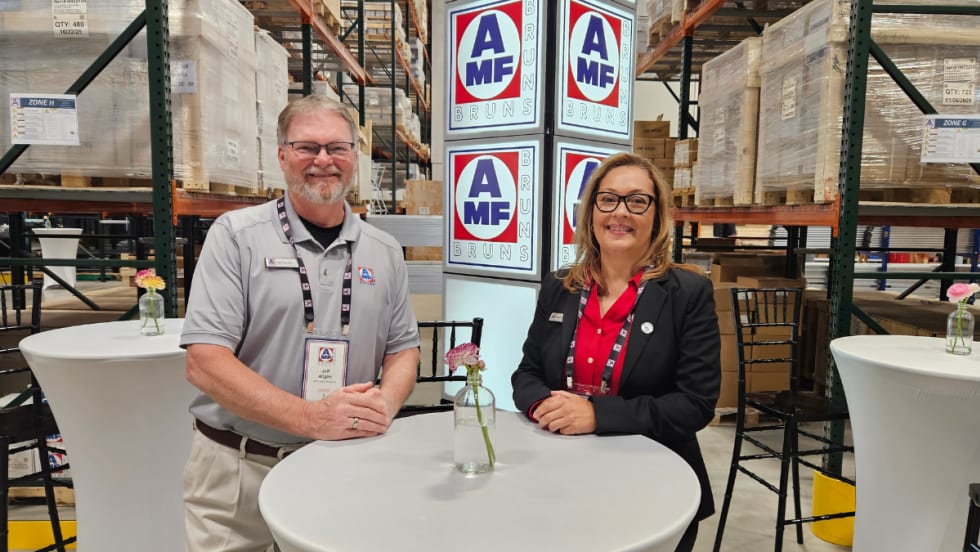
AMF Bruns Expands in Ohio, Investing in Growth and Community
With expanded production space, local investment, and a growing workforce, AMF Bruns is scaling its U.S. presence. Here’s an exclusive first look inside the new Stow, Ohio, HQ.
Read More →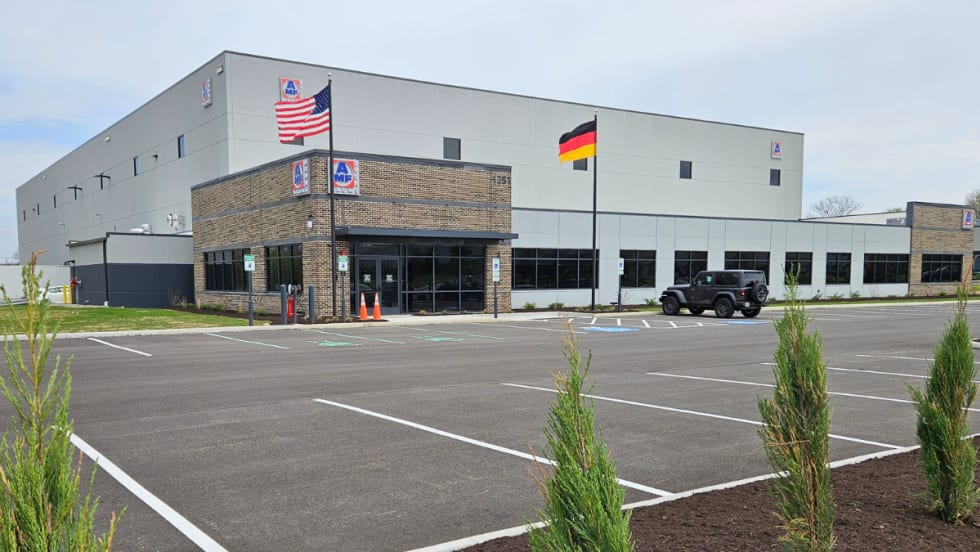
Inside AMF Bruns of America’s New Ohio Manufacturing Facility [Photos]
Take a behind-the-scenes look at AMF Bruns of America’s new 41,000-square-foot Stow, Ohio, headquarters, featuring advanced manufacturing, expanded space, and future-ready mobility solutions.
Read More →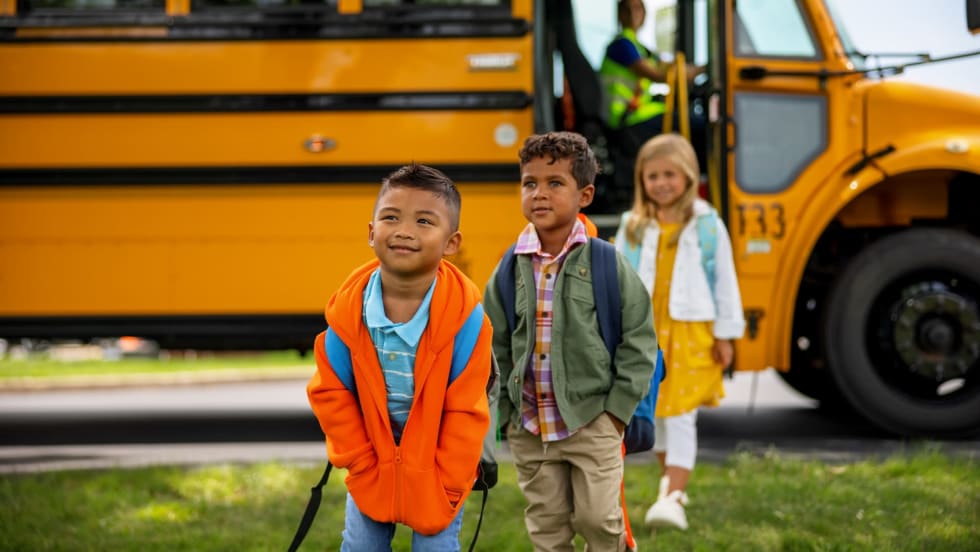
First Student Boosts Student Support in Wichita & Texas
First Student and Wichita Public Schools are using behavioral support strategies to improve student ride experiences, while a separate initiative expands access to after-school programs through a bus donation.
Read More →
2026 Special-Needs Transportation Survey
What’s changing in special-needs transportation? This year, student transportation operators report a rising need, easing driver shortages, growing tech adoption, and evolving challenges. Sponsored by AMF Bruns of America.
Read More →
The Lived-Experience Gap in Mobility Tech: An Expert Take on Safe Student Transportation
Brianna Pauwee, a product application specialist at AMF Bruns of America and a wheelchair user, drops in to The Route to share practical securement and training insights, plus the story behind the new “Beyond Mobility” podcast. The Route is sponsored by IC Bus.
Read More →