




California Conference Session Highlights Support for Special-Needs Transporters
Building Partnerships Between Special-Needs Transporters, Educators
John Eisenberg, executive director of the National Association of State Directors of Special Education, highlights ways in which pupil transportation leaders and special educators can team up to meet student needs.

Sadiah Thompson・Assistant Editor
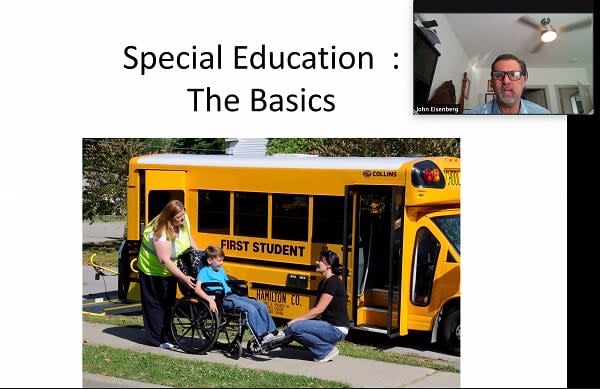
John Eisenberg, executive director of the National Association of State Directors of Special Education, highlighted several ways in which pupil transportation leaders and special educators can team up to meet student needs during a virtual workshop.
Screenshot taken from virtual workshop held by National Association of State Directors of Pupil Transportation Services
4 min to read
Strategies to enhance collaboration between pupil transportation leaders and special-needs educators were covered during a virtual workshop hosted by the National Association of State Directors of Pupil Transportation Services (NASDPTS) on Wednesday.
To kick off the workshop, NASDPTS enlisted the help of John Eisenberg, executive director of the National Association of State Directors of Special Education (NASDSE). Eisenberg discussed special education law and how states, school districts, and school bus contractors can most effectively team up with special educators to meet the needs of students with disabilities.
Eisenberg highlighted four key pieces of legislation that every state pupil transportation director should be familiar with: the Individuals with Disabilities Education Act (IDEA), Americans with Disabilities Act, Section 504 of the Rehabilitation Act, and their state’s specific regulations governing special education programs.
He then went on to discuss how each of these contribute to the development of a student’s Individualized Education Program (IEP).
“A child's IEP team is responsible for determining both if transportation is required to assist a child with a disability to benefit from special education, and how the transportation services should be implemented,” Eisenberg said. “I think it's important for people to know that it cannot be an administrator alone or it cannot be the local director of special education or just a transportation director to make that determination. Each child's IEP team needs to have that conversation together.”
In a Q & A document created by the Office of Special Education Programs (OSEP) in the U.S. Department of Education, Eisenberg pointed to several best practices for adhering to federal regulations in regard to transporting students with disabilities.
One question focused on confidentiality protections and how much student information should be given to school bus drivers about the students they are transporting.
In that event, “Each person, including a school bus driver, who collects or uses personally identifying information concerning a child with this disability, must receive training and instruction about the state's policies and procedures protecting the confidentiality of such information,” Eisenberg said.
Another question focused on best practices for when a school district may suspend a student from transportation service for behavioral issues and not provide an alternative form of transportation.
In that event, the document states that “If transportation is included in the child's IEP, a bus suspension must be treated as a suspension, under the IDEA, and all the disciplinary procedures applicable to a child with disabilities would apply. A local education agency (LEA) is not required to provide alternative transportation to a child with a disability who has been suspended from transportation for 10 school days or less, unless the LEA provides alternative transportation to children without disabilities who have been similarly suspended from bus service.”
“What that means is essentially that if you provide [alternative] transportation to kids in general education if they've been suspended, then you have to provide comparable levels of support to students with disabilities,” Eisenberg explained. “You’ve got to have some equity.”
In terms of strategies for IEP teams to consider when exploring student’s transportation options, Eisenberg covered the four below:
Expanding ridership of small bus routes and integrating students with disabilities into general education bus routes.
Using aides on buses.
Adding bus stop monitors.
Implementing positive behavioral support.
As for ways state directors of pupil transportation can get involved, Eisenberg used his home state of Virginia as an example, detailing some of the steps the state has implemented to boost collaboration with special-needs educators.
Create regular meeting opportunities to discuss hot topics in the field.
Offer joint professional development.
Create curriculum for bus drivers with special education add on.
Review any ongoing due process or state complaints on issues related to transportation.
Training on behavioral techniques.
Training on restraint (when can you legally put hands on a student in order to restrain them if their acting out in significant ways – biting, or hurting another student) and seclusion (where you can legally put students in terms of timeout for inappropriate behavior)
Future emergency plans – pandemic, natural disasters, etc.
“Each of our kids with disabilities have such unique needs, so you’re going to have to address how you’re going to adapt your plan,” Eisenberg said. “At the end of the day, collaboration is key… and our organization is extremely excited about partnering with [NASDPTS] on finding ways we can expand our work together to make sure kids are successful, but also [ensuring] that staff is safe and they get the training they need.”
More Special Needs Transportation
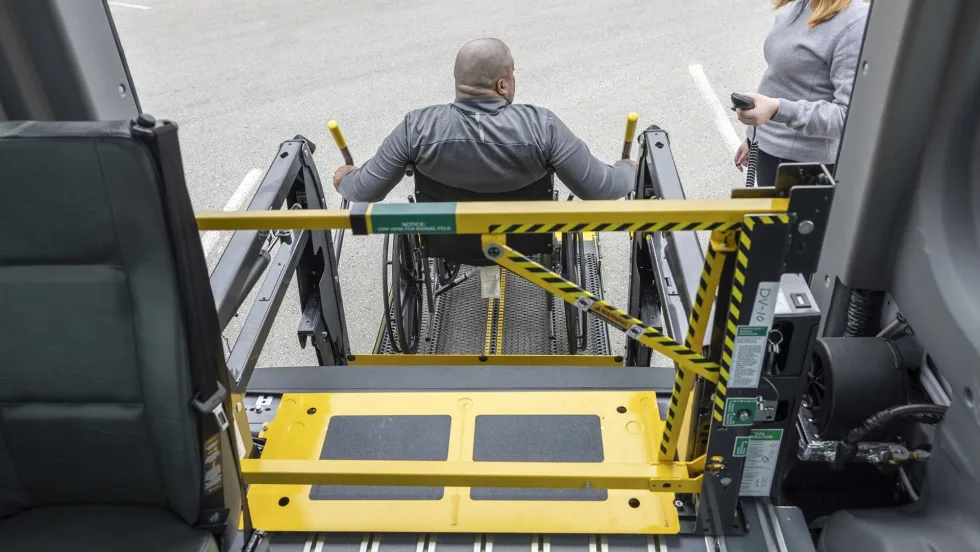
BraunAbility Introduces New Safety Barrier for Wheelchair Lifts
LiftSentinel is designed to add another layer of protection during wheelchair loading and unloading and can be retrofitted to many existing commercial lift installations.
Read More →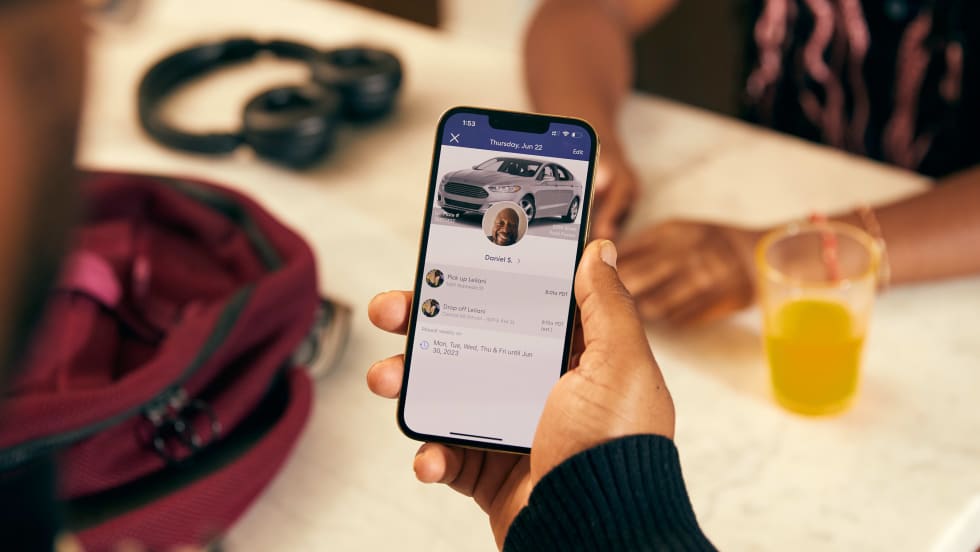
HopSkipDrive Launches New Safety, Driver Consistency Features for 2026-27 School Year
The company’s free ride recording, live ride tracking, and consistent driver assignments aim to improve safety and continuity for diverse student transportation needs.
Read More →
The Most Common Wheelchair Securement Mistakes on School Buses (and How to Fix Them)
Small missteps in wheelchair securement can have serious consequences. Here are 32 tips from experts to reduce risk and increase student safety on the bus.
Read More →
Inside AMF Bruns’ New Showroom: School Bus Securement Solutions Explained
Go inside AMF Bruns America’s new Ohio showroom with Maritza Valentin to see its FutureSafe technology, driver training tools, securement systems, and seating innovations.
Read More →
What AMF Bruns’ New Facility Means for Customers [Video]
Inside AMF Bruns’ new Stow, Ohio, operations: See how expanded space and innovation will enhance customer support and operations.
Read More →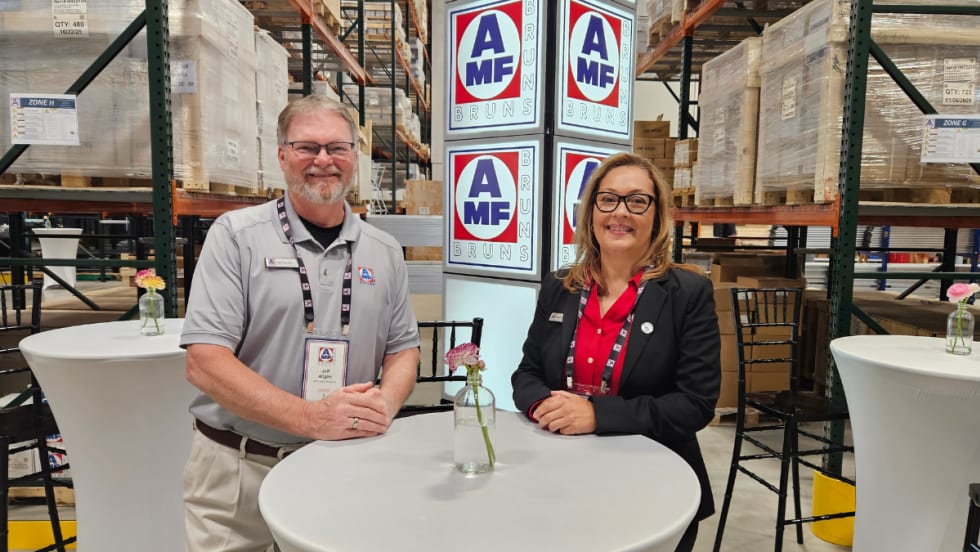
AMF Bruns Expands in Ohio, Investing in Growth and Community
With expanded production space, local investment, and a growing workforce, AMF Bruns is scaling its U.S. presence. Here’s an exclusive first look inside the new Stow, Ohio, HQ.
Read More →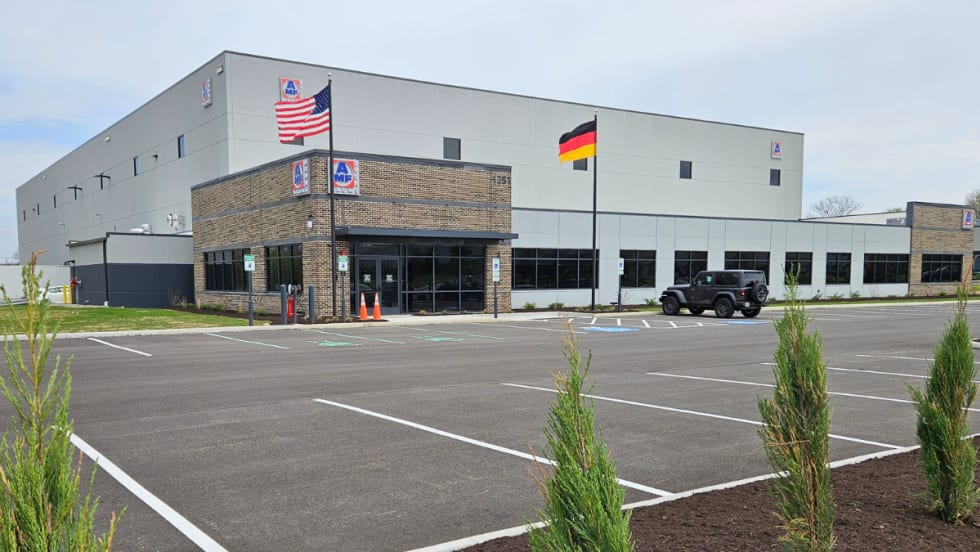
Inside AMF Bruns of America’s New Ohio Manufacturing Facility [Photos]
Take a behind-the-scenes look at AMF Bruns of America’s new 41,000-square-foot Stow, Ohio, headquarters, featuring advanced manufacturing, expanded space, and future-ready mobility solutions.
Read More →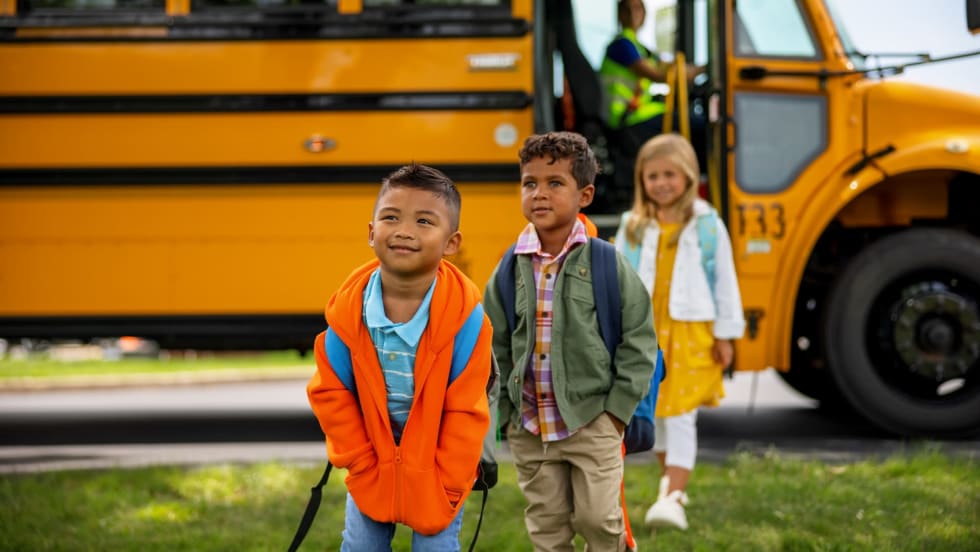
First Student Boosts Student Support in Wichita & Texas
First Student and Wichita Public Schools are using behavioral support strategies to improve student ride experiences, while a separate initiative expands access to after-school programs through a bus donation.
Read More →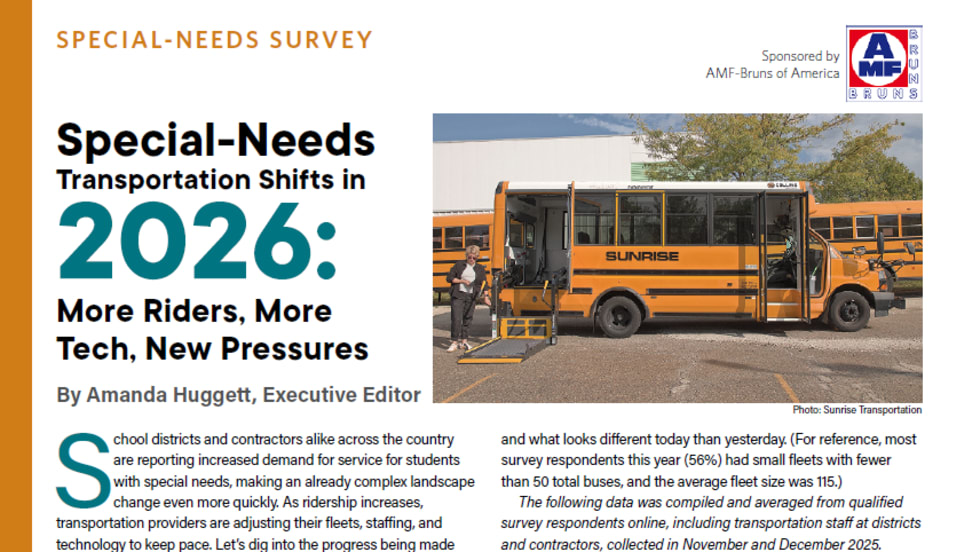
2026 Special-Needs Transportation Survey
What’s changing in special-needs transportation? This year, student transportation operators report a rising need, easing driver shortages, growing tech adoption, and evolving challenges. Sponsored by AMF Bruns of America.
Read More →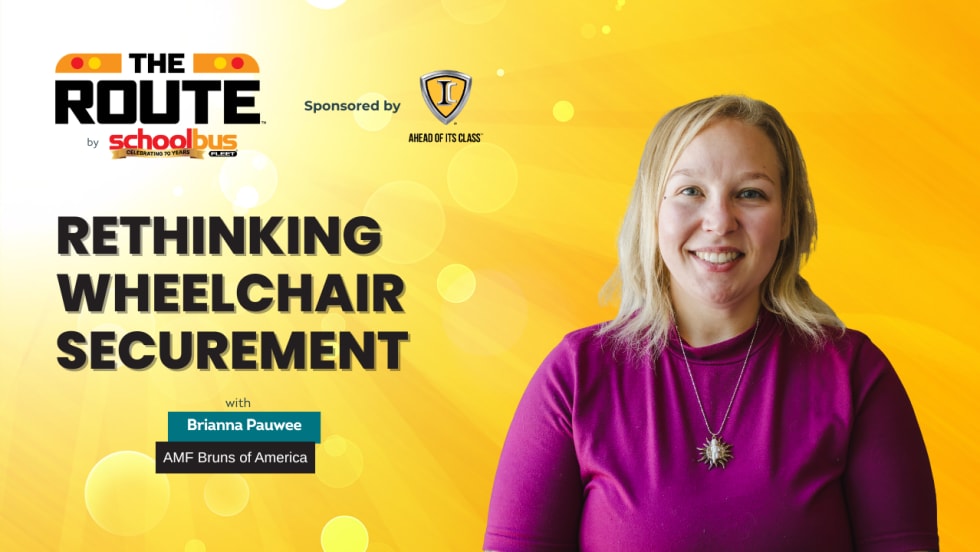
The Lived-Experience Gap in Mobility Tech: An Expert Take on Safe Student Transportation
Brianna Pauwee, a product application specialist at AMF Bruns of America and a wheelchair user, drops in to The Route to share practical securement and training insights, plus the story behind the new “Beyond Mobility” podcast. The Route is sponsored by IC Bus.
Read More →