


Report examines contributing factors in fatal vehicle crashes
Transportation-related factors include traffic controls, road characteristics and weather impacts; human-related factors include number of people involved, drunken driving and light conditions.

WASHINGTON, D.C. — The Bureau of Transportation Statistics (BTS), a branch of the U.S. Department of Transportation's Research and Innovative Technology Administration, has released a report examining the factors that contribute to fatal crashes involving a motor vehicle.
The report examined transportation-related factors, including traffic controls, speed and route type, road characteristics, weather impacts and road classification; and human-related factors, such as the number of people involved, drunken driving and light conditions.
The report is based on the National Highway Traffic Safety Administration's Fatality Analysis Reporting System (FARS) database for 2004-2008.
According to BTS, analysis of the FARS database shows:
• Single-vehicle crash fatalities are the most prevalent.
• The main factors in single-vehicle fatal crashes involve the functionality of traffic controls and the first harmful event in a crash (e.g., rollover, traffic barrier or ditch).
• With regard to two-vehicle fatal crashes, main factors are traffic controls and the characteristics of the roadway (e.g., roadway alignment or surface type).
• In multi-vehicle (three or more) fatal crashes, road characteristics, vehicle speed and road type (e.g., interstate or country road) are the main factors involved.
To read the full report, click here.
More Safety
North Carolina Student Killed While Boarding School Bus, Two Die in Utah Bus Crash
A Southern Nash High School student died after being struck by a pickup truck while approaching her school bus. In a separate incident, two people were killed after crashing into a school bus in Utah.
Read More →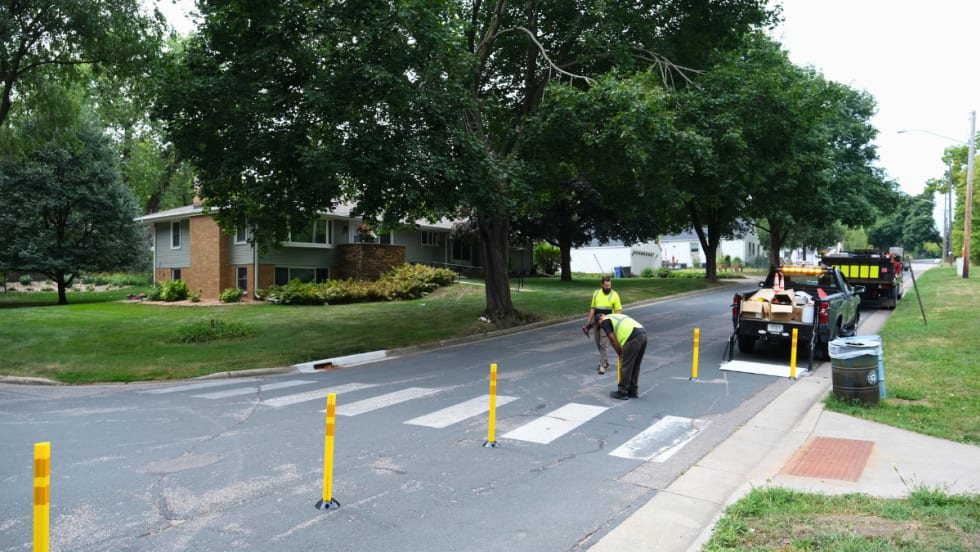
Minneapolis School Zone Pilot Cuts Speeding 41% with Low-Cost Street Design Changes
In a pilot project in Minnesota, two school-area intersections had low-cost, temporary road and traffic flow improvements made to measure the impact on roadway and student safety. Here's what they found.
Read More →
Sitestream, Safety Vision Partner with Connecticut City to Launch School Bus Stop-Arm Camera Program
The new enforcement initiative combines camera technology and violation management software to document illegal school bus passing, encourage driver compliance, and enhance student safety.
Read More →
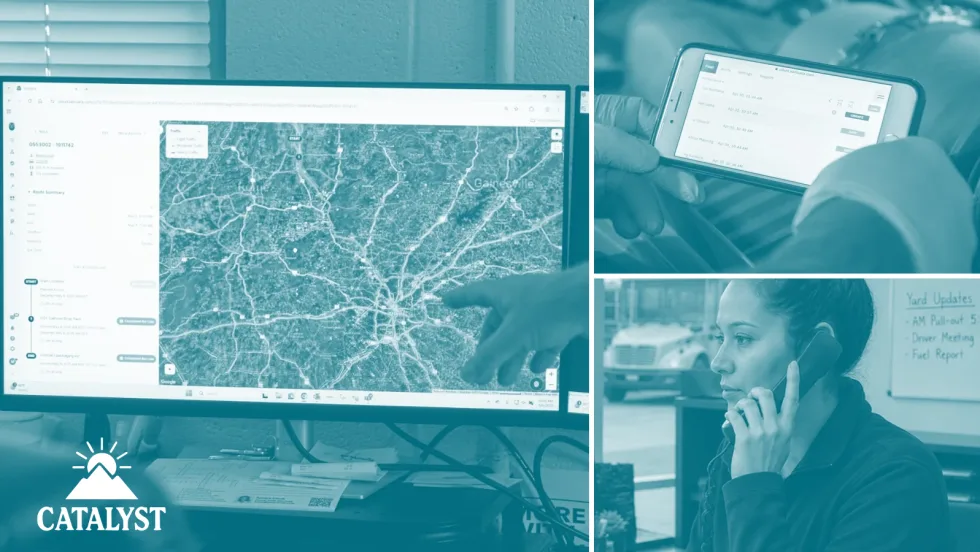
From Reactive to Proactive: Making Every Ride Visible
Smart technology only delivers its full value when it works together. See how Catalyst connects proven industry platforms to move student transportation from reactive to proactive.
Read More →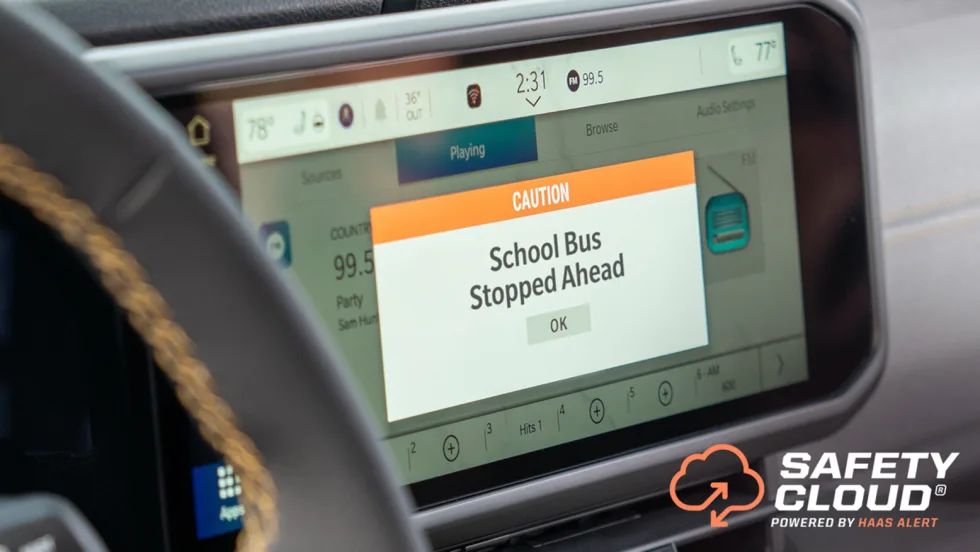
HAAS Alert’s Safety Cloud Warns Motorists of Stopped School Buses
Through a transponder or Samsara connection, the product lets school bus fleets send advance warnings to approaching drivers through in-vehicle alerts.
Read More →
HopSkipDrive Reports Progress on Safety Advisory Council
More than a year after forming the council, independent safety experts have helped shape new rider-safety features and policy progress, with a new goal to address rider behavior.
Read More →
What the 2026 National School Bus Safety Month Resolution Means for Student Transportation
The bipartisan resolution highlights illegal school bus passing, student safety during loading and unloading, and the need for driver training and public education.
Read More →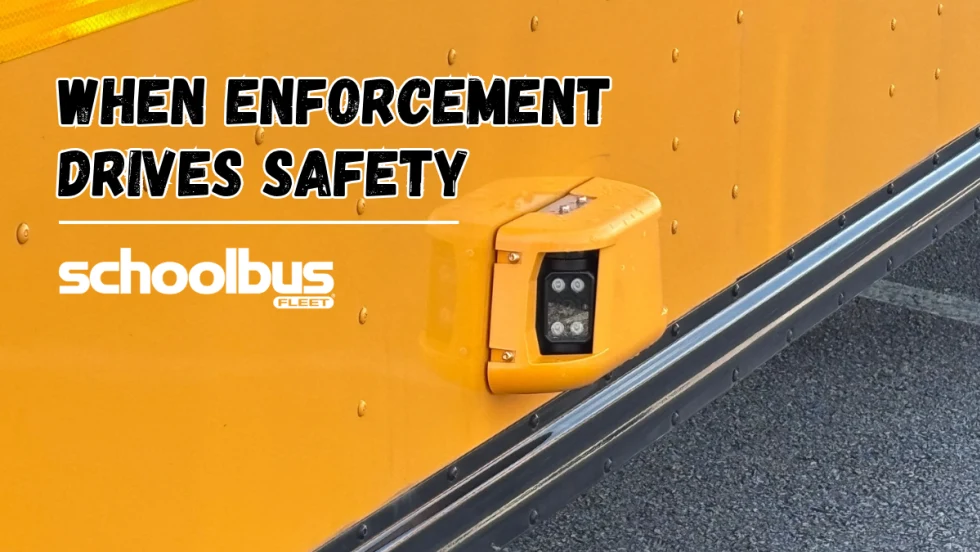
School Bus Stop-Arm Violations Decline 53% Across Verra Mobility Programs
Verra Mobility shares how school bus stop-arm cameras and school zone safety programs are changing driver behavior, reducing violations, and protecting students.
Read More →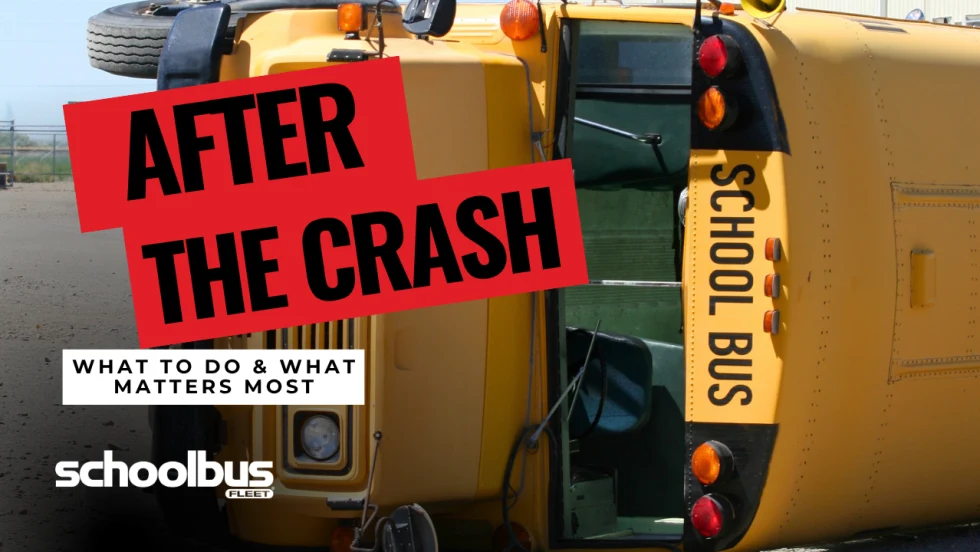
Most Bus Crashes Aren’t Your Fault. Here’s How to Prove It.
A guide for what to do in between a school bus crash and a claim: what to preserve, who to notify, and how to keep the facts available when they matter.
Read More →
National School Bus Safety Week 2026: Tips, Toolkits & Resources to Keep Students Safe
School bus safety takes more than awareness. Explore expert tips, enforcement strategies, and free resources to help protect students on every ride.
Read More →