




Q'Straint opens new research facility with crash simulator
The company's new facility is aimed at advancing the safety and effectiveness of wheelchair passenger travel. It includes a HYGE crash simulation system and Phantom high-speed cameras to help study the dynamics in a crash environment as they relate to wheelchair passengers.

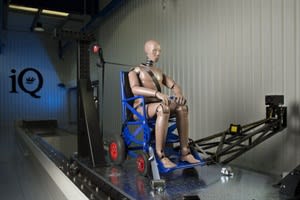
Q'Straint's new iQ Research Center of Excellence includes a crash simulation system and high-speed cameras to help study the dynamics in a crash environment for wheelchair passengers.
Q’Straint announced on Tuesday the opening of a new research facility aimed at advancing the safety and effectiveness of wheelchair passenger travel.
Company officials said that the iQ Research Center of Excellence will push further innovation and enhance the company’s product development capabilities. The facility features state-of-the-art technologies, such as a HYGE crash simulation system and Phantom high-speed cameras to help study the dynamics in a crash environment as they relate to wheelchair passengers.
“The investment in the iQ Research Center of Excellence underscores the Q’Straint commitment to advancements in research and development,” said Bob Joseph, vice president of business development. “Our new crash simulation system allows us to now study, test, certify and bring new products to market quicker than ever before, thereby improving safety for everyone while at the same time reinforcing our position as a global technology leader within the industry.”
The iQ Research Center of Excellence and crash simulation system are located in Q’Straint’s Whitstable, U.K., location. According to the company, currently only a limited number of HYGE dynamic crash simulation systems exist in the world.
More Special Needs Transportation
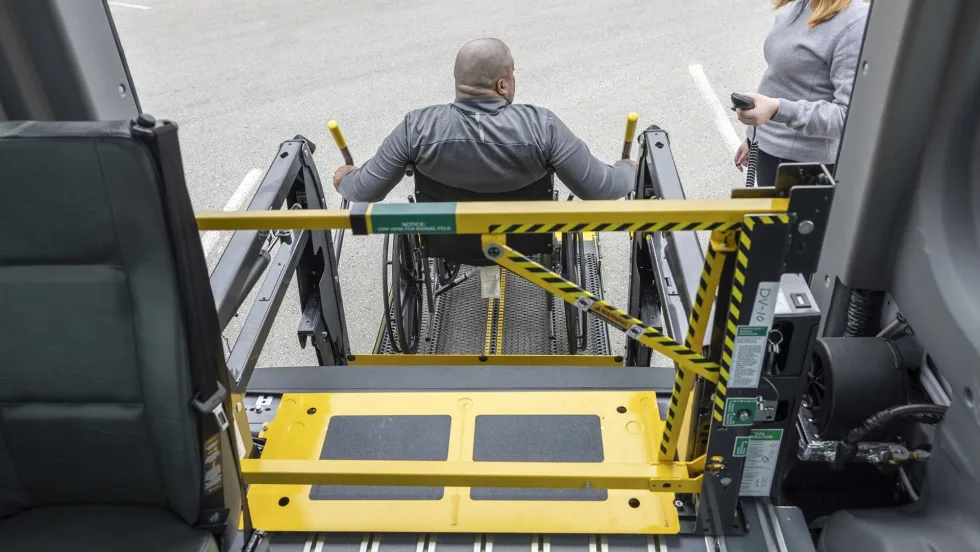
BraunAbility Introduces New Safety Barrier for Wheelchair Lifts
LiftSentinel is designed to add another layer of protection during wheelchair loading and unloading and can be retrofitted to many existing commercial lift installations.
Read More →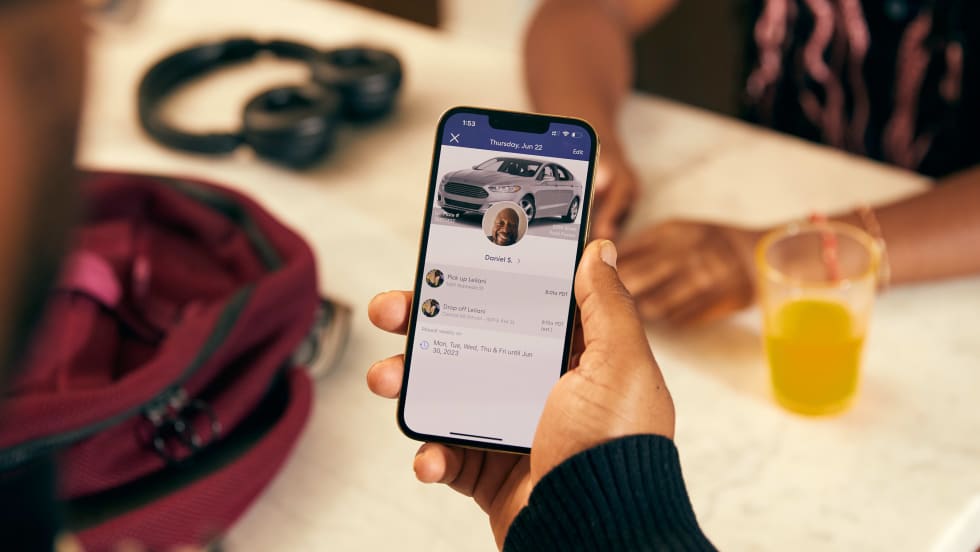
HopSkipDrive Launches New Safety, Driver Consistency Features for 2026-27 School Year
The company’s free ride recording, live ride tracking, and consistent driver assignments aim to improve safety and continuity for diverse student transportation needs.
Read More →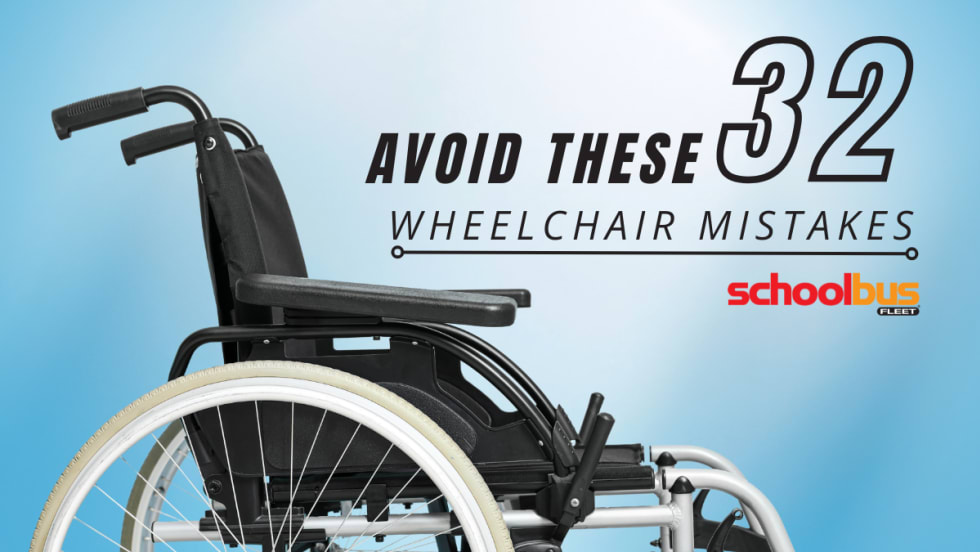
The Most Common Wheelchair Securement Mistakes on School Buses (and How to Fix Them)
Small missteps in wheelchair securement can have serious consequences. Here are 32 tips from experts to reduce risk and increase student safety on the bus.
Read More →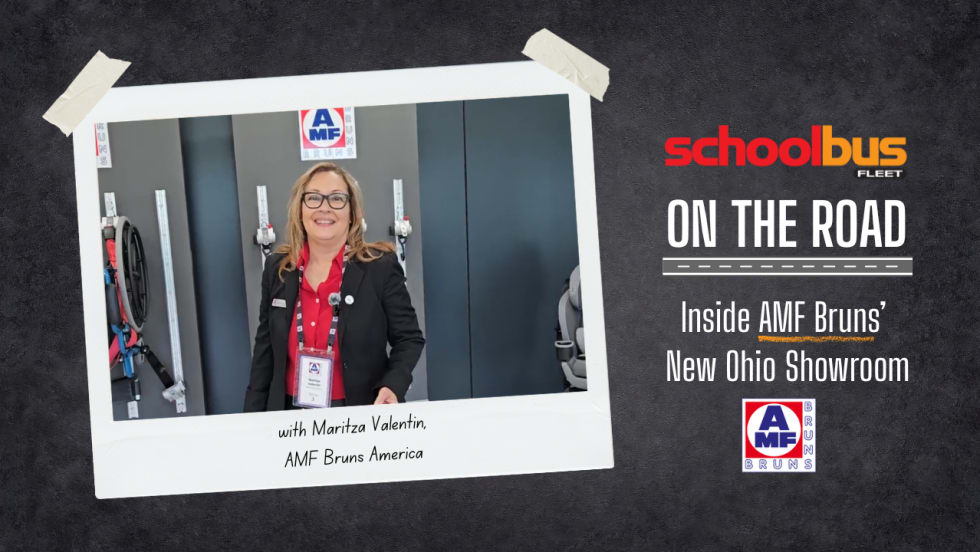
Inside AMF Bruns’ New Showroom: School Bus Securement Solutions Explained
Go inside AMF Bruns America’s new Ohio showroom with Maritza Valentin to see its FutureSafe technology, driver training tools, securement systems, and seating innovations.
Read More →
What AMF Bruns’ New Facility Means for Customers [Video]
Inside AMF Bruns’ new Stow, Ohio, operations: See how expanded space and innovation will enhance customer support and operations.
Read More →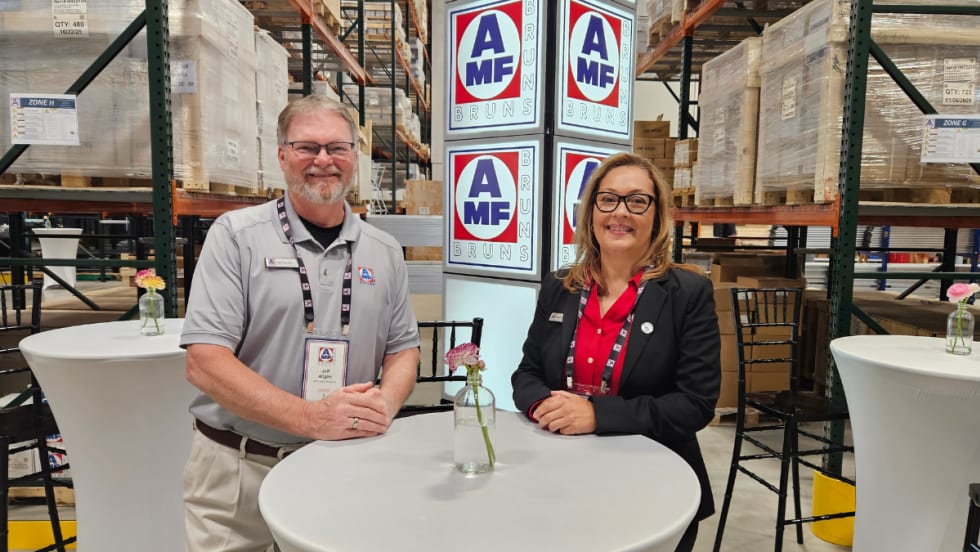
AMF Bruns Expands in Ohio, Investing in Growth and Community
With expanded production space, local investment, and a growing workforce, AMF Bruns is scaling its U.S. presence. Here’s an exclusive first look inside the new Stow, Ohio, HQ.
Read More →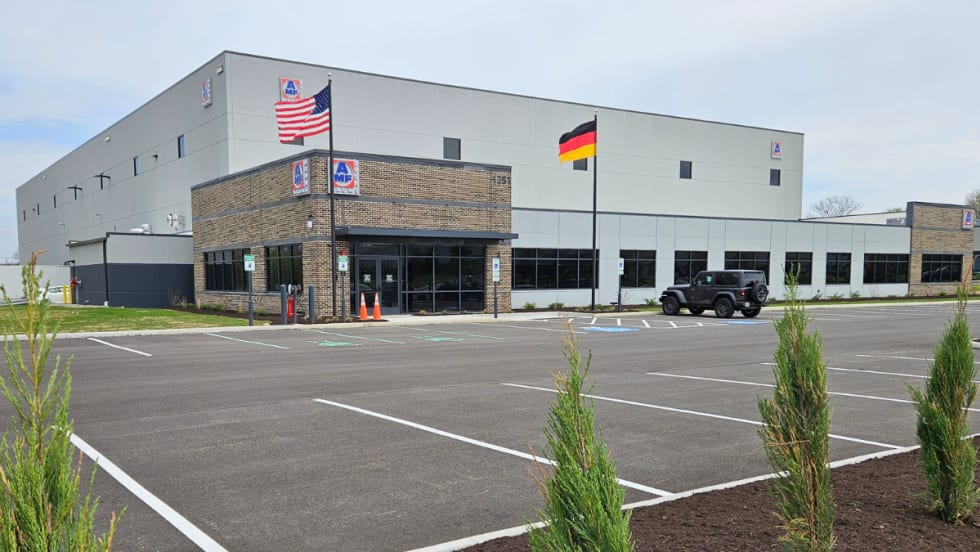
Inside AMF Bruns of America’s New Ohio Manufacturing Facility [Photos]
Take a behind-the-scenes look at AMF Bruns of America’s new 41,000-square-foot Stow, Ohio, headquarters, featuring advanced manufacturing, expanded space, and future-ready mobility solutions.
Read More →
First Student Boosts Student Support in Wichita & Texas
First Student and Wichita Public Schools are using behavioral support strategies to improve student ride experiences, while a separate initiative expands access to after-school programs through a bus donation.
Read More →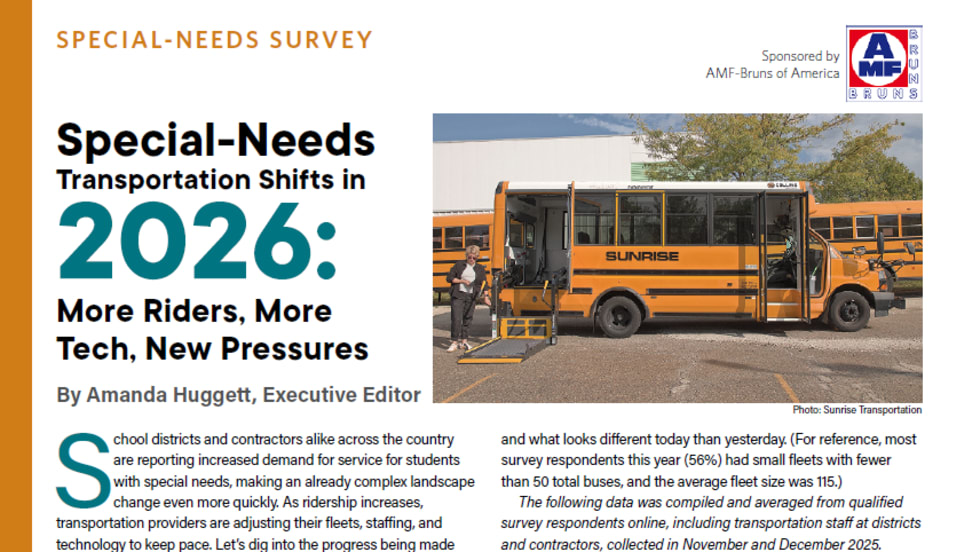
2026 Special-Needs Transportation Survey
What’s changing in special-needs transportation? This year, student transportation operators report a rising need, easing driver shortages, growing tech adoption, and evolving challenges. Sponsored by AMF Bruns of America.
Read More →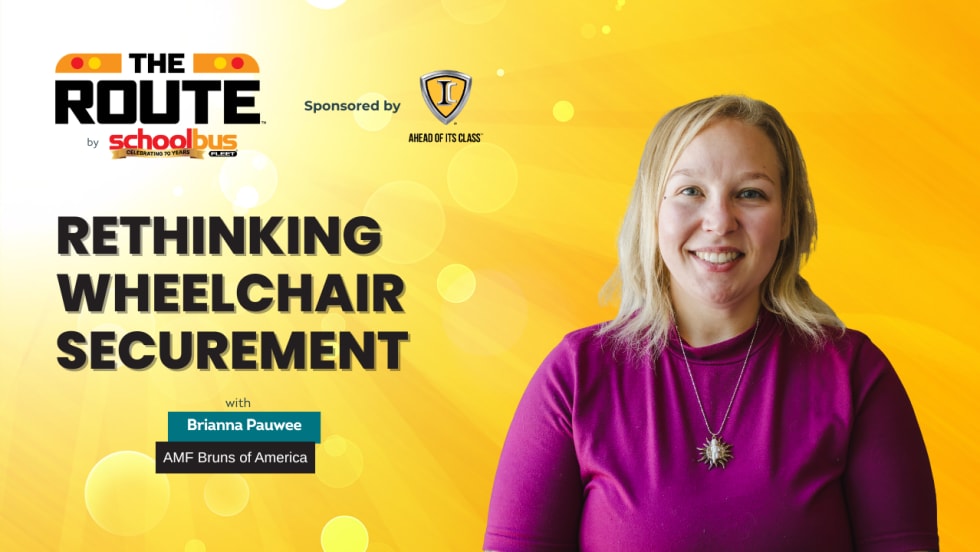
The Lived-Experience Gap in Mobility Tech: An Expert Take on Safe Student Transportation
Brianna Pauwee, a product application specialist at AMF Bruns of America and a wheelchair user, drops in to The Route to share practical securement and training insights, plus the story behind the new “Beyond Mobility” podcast. The Route is sponsored by IC Bus.
Read More →