




Pediatrics Academy Releases Special-Needs Student Transportation Recommendations
The policy statement from the American Academy of Pediatrics addresses creating IEPs, proper use of restraint systems, and care administered by aides and nurses.

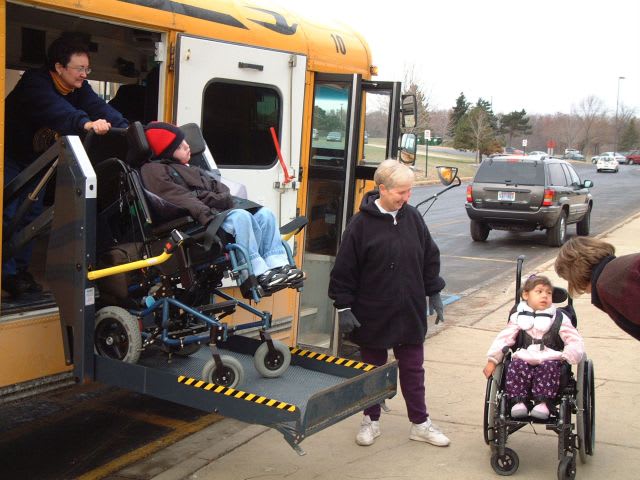
Photo courtesy University of Michigan Transportation Research Institute
Photo courtesy University of Michigan Transportation Research Institute
The American Academy of Pediatrics (AAP) has released a policy statement that provides updated guidance on protecting students with special healthcare needs.
Published in the May 2018 issue of the journal Pediatrics, “School Bus Transportation of Children With Special Health Care Needs,” by Joseph O’Neil and Benjamin D. Hoffman of the AAP Council on Injury, Violence, and Poison Prevention, gives guidance for planning safe transportation for students with special needs, and offers recommendations and considerations to the student’s primary care provider for safe transportation.
The statement notes the importance of discussing transportation issues and documenting appropriate transportation plans during the student’s annual Individualized Education Program meeting. The statement advises that all parties involved in the education and care of the student should be included to provide optimal input into the transportation process. Routes, proximity to first responders, and emergency plans should be discussed with school administrators, transportation directors, and the bus driver, in collaboration with the student, family, school nurse, primary care provider (if possible), teacher, and aides.
“Transportation staff who work with children with special needs can effectively conduct their daily responsibilities when provided with appropriate, documented training from the team of professionals,” the authors note in the introduction to the statement.
All students should be transported safely to school in accordance with best practice guidelines, the statement advises. For example, any student who can transfer from a wheelchair should be transported in a school bus seat, because the best seating system is the school bus seat with a harness system that is appropriate for size and physical/developmental condition.
For children who are too heavy to be transferred or who cannot otherwise do so, a transit-ready wheelchair that meets WC 19 standards may be used correctly anchored to the school bus, according to the statement. The student should be restrained appropriately in the wheelchair with a postural support, if needed, and a bus-mounted lap-shoulder belt appropriately applied. Transit option wheelchairs are crash tested, and these seats meet voluntary standards for safety.
Any equipment needed to safely transport the student should be stored during transport in a manner consistent with the wheelchair manufacturer and the bus manufacturer and school district rules and regulations. Lap tables should be removed from the chair and stored properly, since they could injure a student during a crash.
Additional details in the considerations listed in the statement include providing a school nurse or trained aide when medically necessary to attend to health-related problems; being aware of the local and state regulations and the local school limitations and resources for administering rescue medications; and procedures that caregivers should follow to prevent infections when providing direct care for students with tracheostomy and gastrostomy tubes.
A copy of the policy statement can be downloaded here.
More Special Needs Transportation
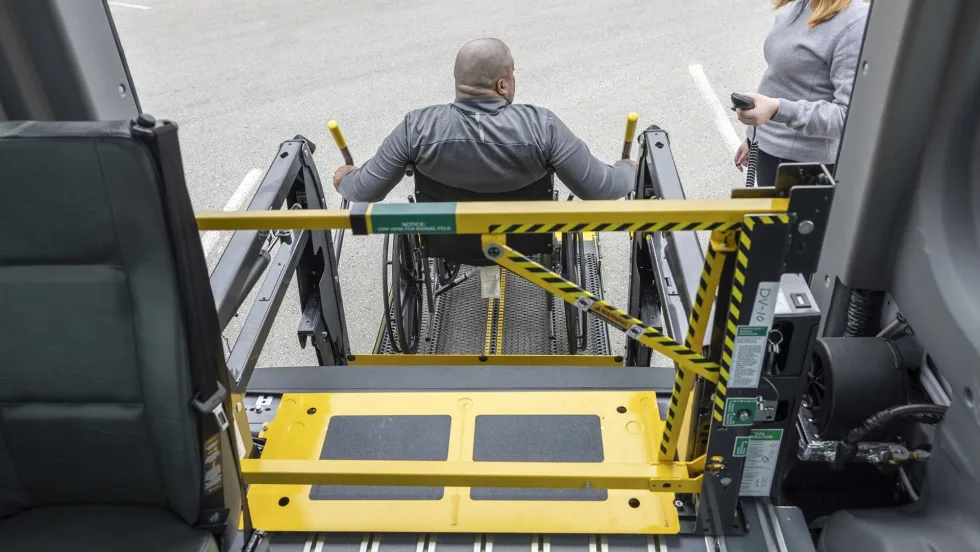
BraunAbility Introduces New Safety Barrier for Wheelchair Lifts
LiftSentinel is designed to add another layer of protection during wheelchair loading and unloading and can be retrofitted to many existing commercial lift installations.
Read More →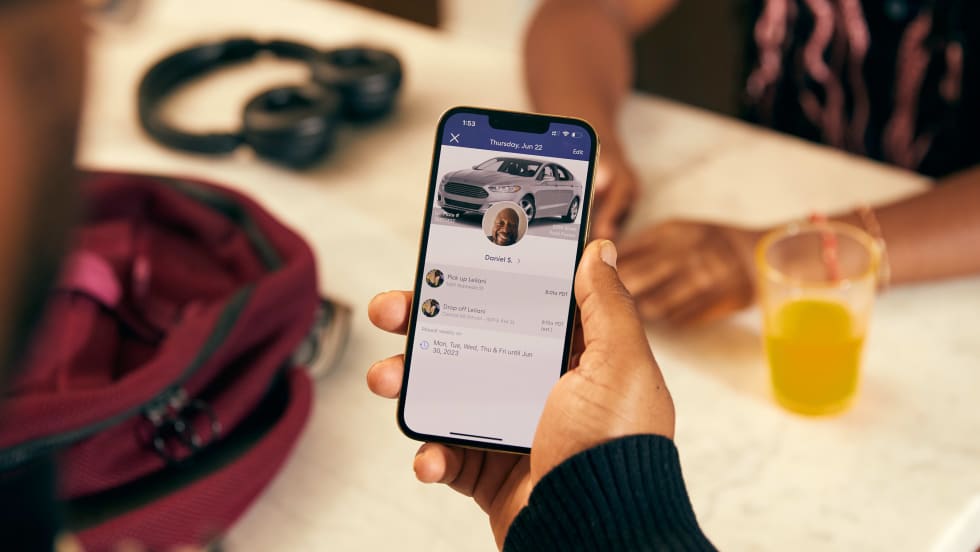
HopSkipDrive Launches New Safety, Driver Consistency Features for 2026-27 School Year
The company’s free ride recording, live ride tracking, and consistent driver assignments aim to improve safety and continuity for diverse student transportation needs.
Read More →
The Most Common Wheelchair Securement Mistakes on School Buses (and How to Fix Them)
Small missteps in wheelchair securement can have serious consequences. Here are 32 tips from experts to reduce risk and increase student safety on the bus.
Read More →
Inside AMF Bruns’ New Showroom: School Bus Securement Solutions Explained
Go inside AMF Bruns America’s new Ohio showroom with Maritza Valentin to see its FutureSafe technology, driver training tools, securement systems, and seating innovations.
Read More →
What AMF Bruns’ New Facility Means for Customers [Video]
Inside AMF Bruns’ new Stow, Ohio, operations: See how expanded space and innovation will enhance customer support and operations.
Read More →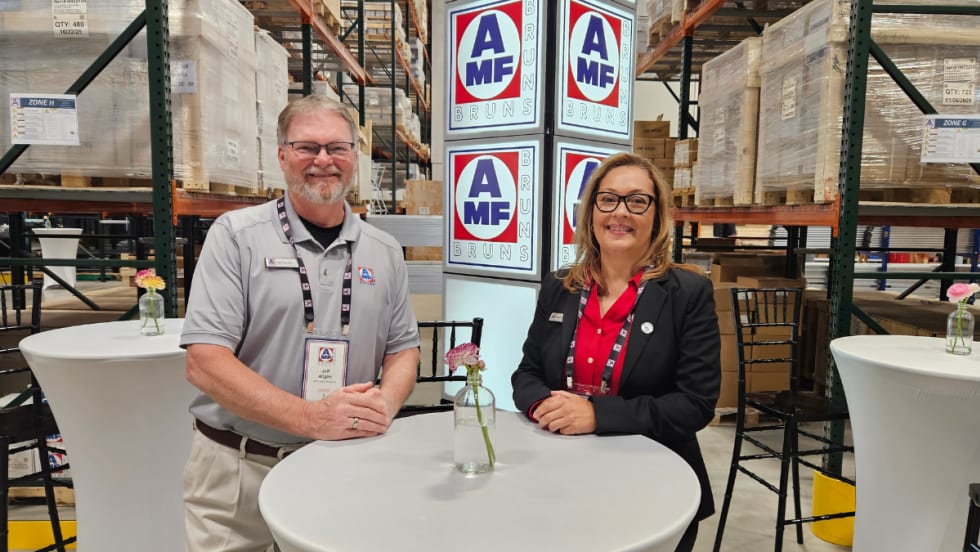
AMF Bruns Expands in Ohio, Investing in Growth and Community
With expanded production space, local investment, and a growing workforce, AMF Bruns is scaling its U.S. presence. Here’s an exclusive first look inside the new Stow, Ohio, HQ.
Read More →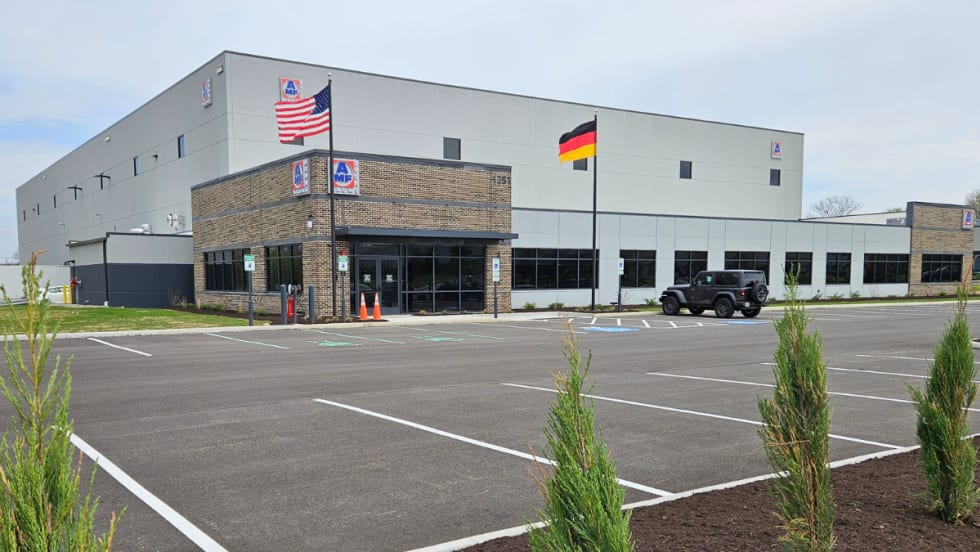
Inside AMF Bruns of America’s New Ohio Manufacturing Facility [Photos]
Take a behind-the-scenes look at AMF Bruns of America’s new 41,000-square-foot Stow, Ohio, headquarters, featuring advanced manufacturing, expanded space, and future-ready mobility solutions.
Read More →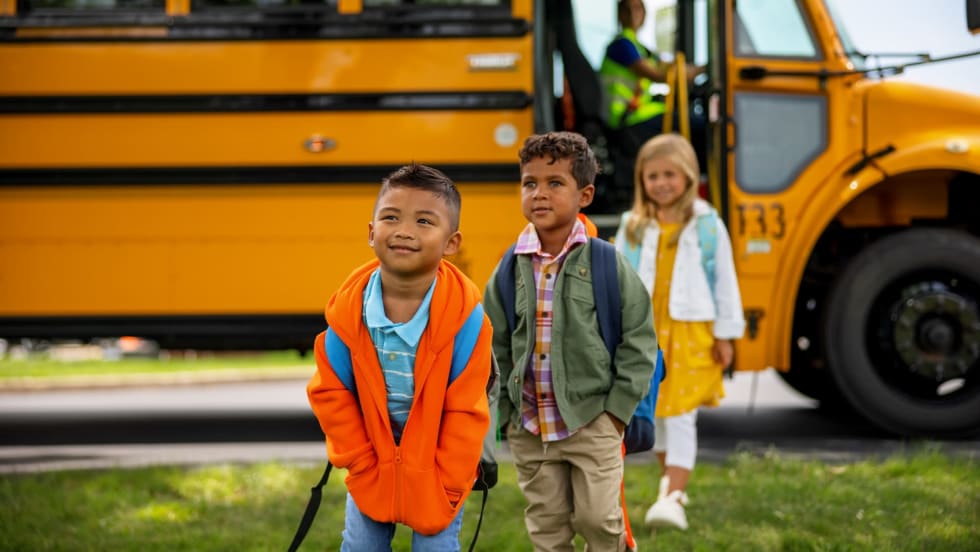
First Student Boosts Student Support in Wichita & Texas
First Student and Wichita Public Schools are using behavioral support strategies to improve student ride experiences, while a separate initiative expands access to after-school programs through a bus donation.
Read More →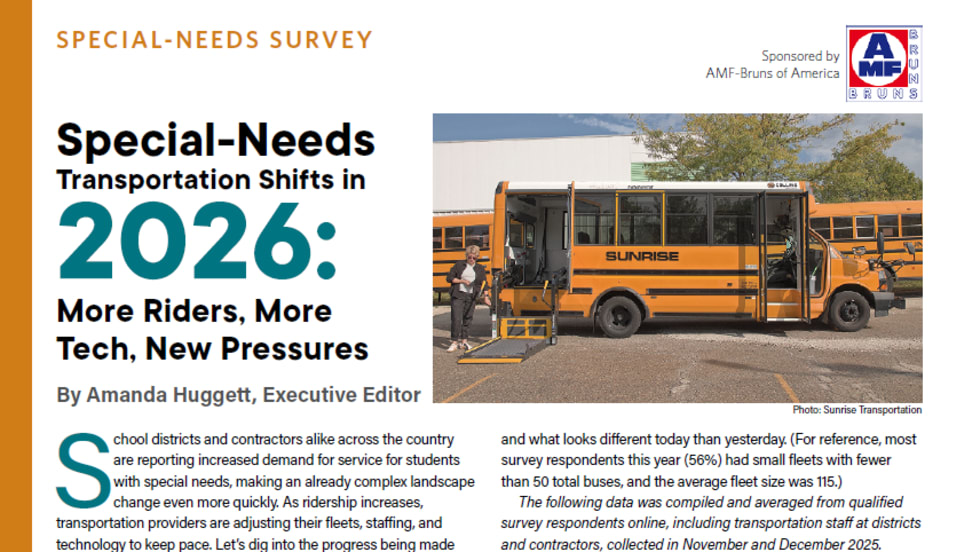
2026 Special-Needs Transportation Survey
What’s changing in special-needs transportation? This year, student transportation operators report a rising need, easing driver shortages, growing tech adoption, and evolving challenges. Sponsored by AMF Bruns of America.
Read More →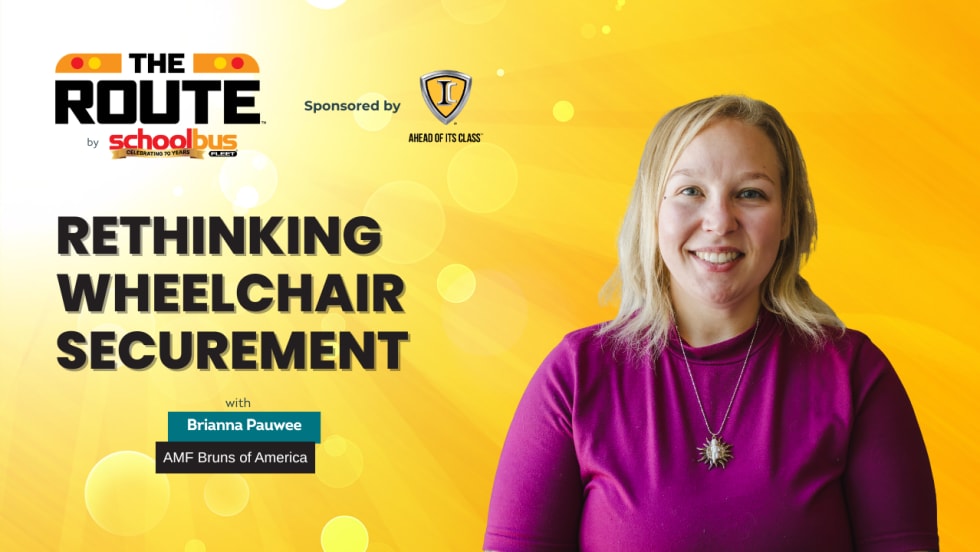
The Lived-Experience Gap in Mobility Tech: An Expert Take on Safe Student Transportation
Brianna Pauwee, a product application specialist at AMF Bruns of America and a wheelchair user, drops in to The Route to share practical securement and training insights, plus the story behind the new “Beyond Mobility” podcast. The Route is sponsored by IC Bus.
Read More →