




Parents urged to stop idling at schools
After implementing a no-idling policy for its school buses a few years ago, a Kentucky district posts signs at elementary schools asking parents to turn off their cars while they wait to pick up their kids.

[IMAGE]194[/IMAGE]
LOUISVILLE, Ky. — After implementing a no-idling policy for its school buses a few years ago, a Kentucky district has now posted signs at schools asking parents to turn off their cars while they wait to pick up their kids.
The new signs, installed beside car-rider lines at the 90 elementary schools in Jefferson County Public Schools (JCPS), carry the message: "The JCPS district is a no-idle zone. Protect our children. Turn off your engine."
Back-to-school letters being sent to parents are also highlighting the initiative.
"Idling creates clouds of exhaust around schools," the district said in an announcement. "Concentrated exhaust increases allergies and asthma symptoms. Asthma is the most common chronic illness in children, and it’s the cause of most school absences."
Mike Mulheirn, JCPS director of facilities and transportation, told The Courier-Journal that it cost the district $540 to design and print the signs. There are at least two at each elementary school.
"Parents who comply not only help clear the air but also save money," the district announcement said. "Just 10 seconds of idling can use more gas than turning off the engine and restarting it. Two minutes of idling uses about the same amount of gas it takes to drive a mile."
The no-idling policy for the district's school buses began with the 2007-08 school year. The buses are not allowed to idle anywhere, except for when a supervisor deems the outside temperature too cold.
More Alternative Fuels
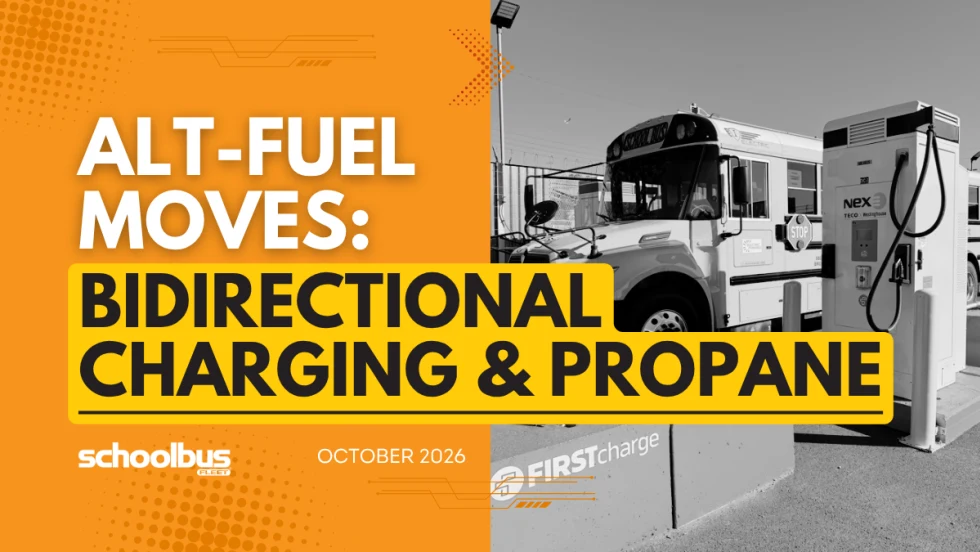
Alt-Fuel Moves: Electric Bus Rollouts, Bidirectional Charging & Propane Growth
See which fleets are adding electric and propane school buses as districts and operators invest in charging infrastructure, bidirectional technology, and alternative-fuel expansion.
Read More →
Nobody Told Diesel Prices They Were Supposed to Come Down
With diesel prices surging, school bus fleets have new reason to stress-test fuel costs, consider diversification, and calculate what each route really costs to operate.
Read More →
Why Gasoline School Buses Are Making a Comeback
Gasoline is gaining ground in full-size school buses. See how today’s options stack up against diesel on cost, maintenance, emissions, performance, and more.
Read More →
EPA Opens $180M DERA Funding Round for Diesel Upgrades
The 2026 Diesel Emissions Reduction Act program seeks applications from eligible organizations to accelerate the retirement of legacy diesel vehicles.
Read More →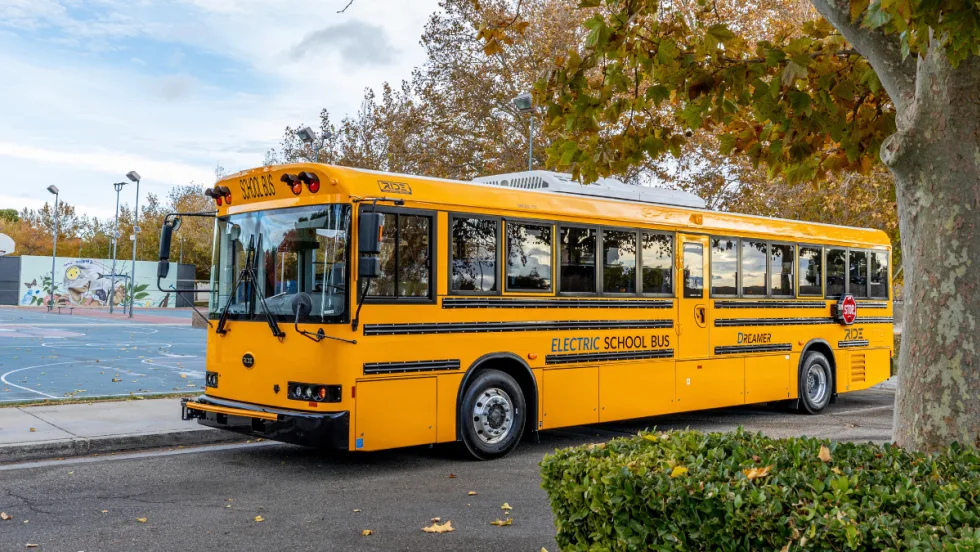
The Secret Life of an Electric School Bus Battery
Batteries change throughout years of daily routes, but degradation doesn’t necessarily mean the end. Here’s what operators should know about performance, safety, and second life.
Read More →
CALSTART and Forth Combine to Form Catalyst Mobility
The new name represents a renewed vision for the nonprofit focused on advancing clean, equitable, and affordable transportation solutions that move people and goods.
Read More →
Alt-Fuel Moves: New Buses, Charging Hubs & Real-World EV Testing
Propane and electric school bus deployments continue to grow as districts add new vehicles, expand charging infrastructure, and gather more real-world operating data.
Read More →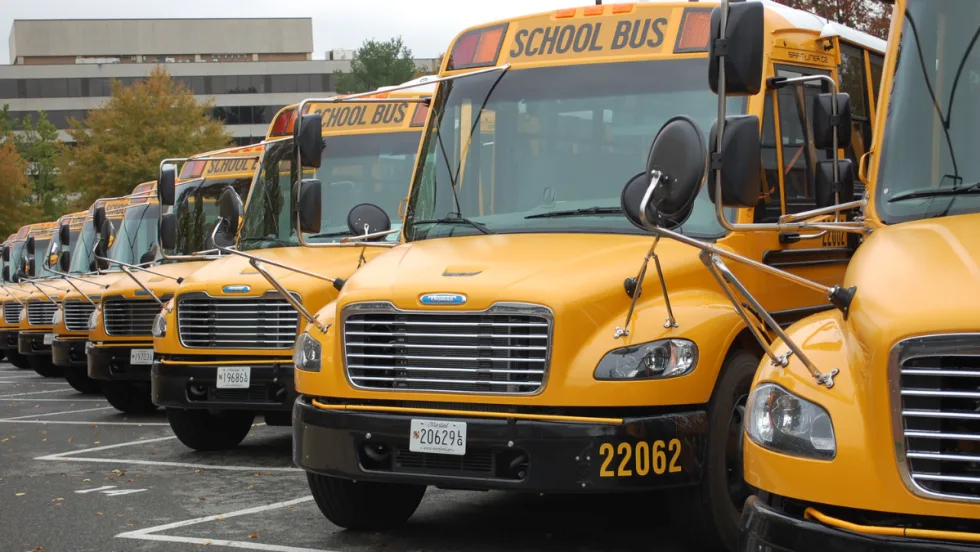
Fewer Electric School Bus Models Reshape the U.S. Market
WRI’s latest buyer’s guide points to a consolidating electric school bus market, but fewer options may reflect a maturing industry rather than fewer meaningful choices for school bus operators.
Read More →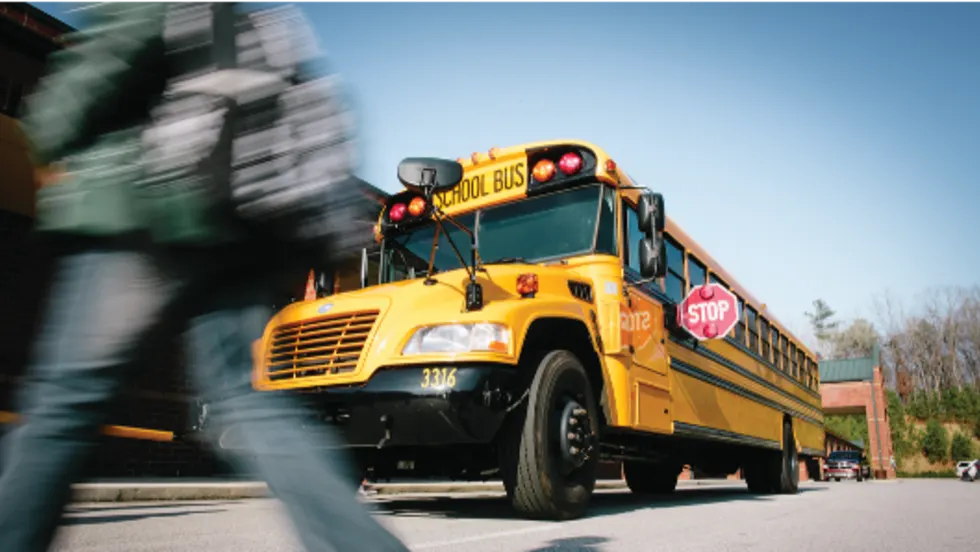
The Fuel Budget You Can Actually Predict: How Propane Autogas Keeps Money in the Classroom
Learn how propane autogas helps school districts manage fuel costs with predictable pricing, lower maintenance, and reduced emissions from former transportation director Joel Stutheit.
Read More →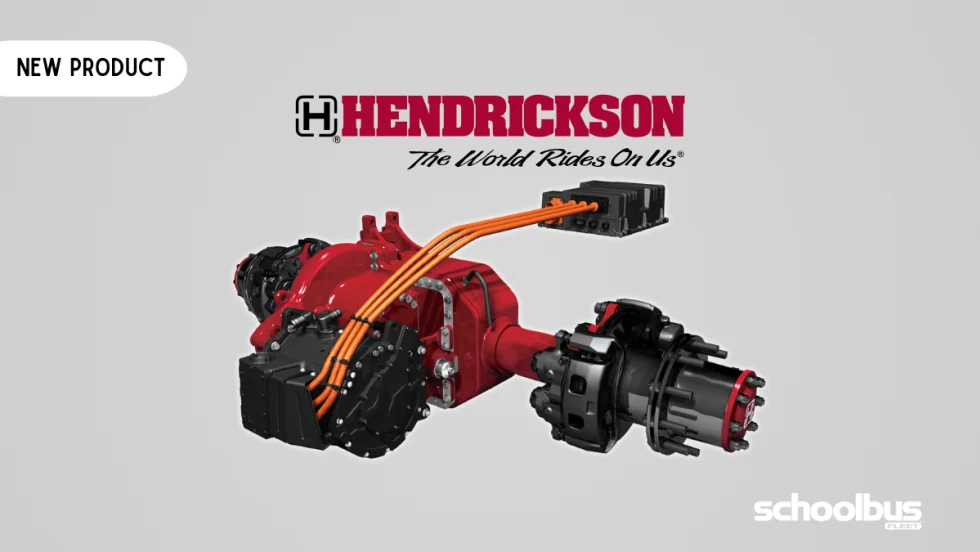
Hendrickson, Driventic Introduce New Electric Powertrain for School Buses
ELECTRAAX, the electrified, lightweight drive axle offers integrated ePowertrain efficiency and modular flexibility for Class 6–7 school bus use.
Read More →