




No mechanical issues in fatal bus crash
The school bus driver tells investigators that a car crossed the line and forced her off the road. One student died and others were injured in the Ohio crash last week.

ZANESVILLE, Ohio — The State Highway Patrol found no mechanical issues in the school bus that was in a fatal crash last week.
But the school bus driver told investigators that a car crossed the center line, forcing her off the road.
The Tri-Valley Local Schools bus went off the right side of the roadway and rolled over after striking a utility pole. The driver, Carol Oler, was transporting seven students to Nashport (Ohio) Elementary School.
Six-year-old Kasey King was killed and six other children and Oler were injured in the Wednesday crash.
State Superintendent of Public Instruction Deborah Delisle said that it was the first fatality in an Ohio school bus in more than 40 years.
“I wish to express my condolences to the family of the child killed in this tragic accident,” Delisle said in a statement. “It is an unimaginable loss. My thoughts are with all of the students and families impacted by this accident as well as the entire Tri-Valley community.”
The State Highway Patrol said on Friday that the onboard video from the bus was continuing to be analyzed by its forensic computer unit.
After the crash, a state bill to require three-point seat belts on school buses was passed unanimously by a House committee, but it was not adopted by the full House before members adjourned for summer recess. The bill could be taken up again in the fall.
More Safety
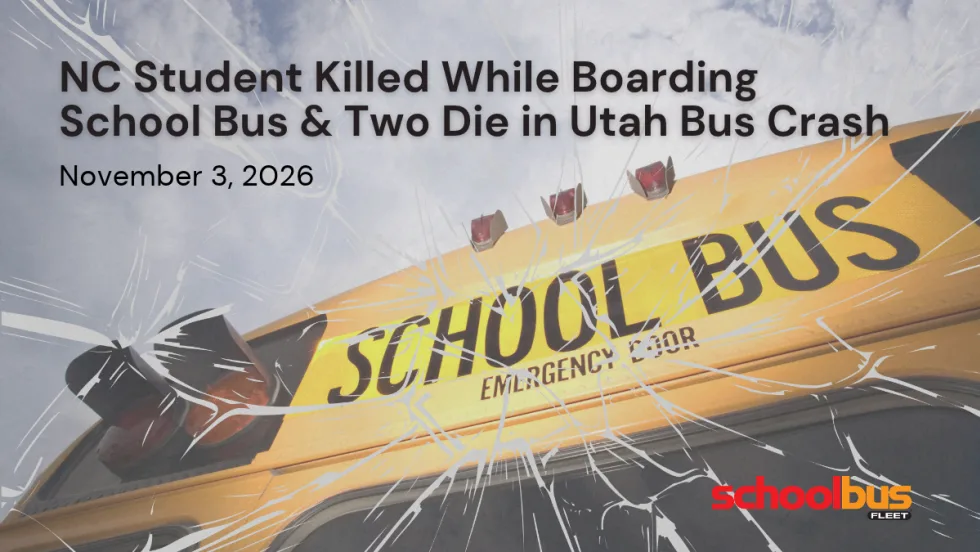
North Carolina Student Killed While Boarding School Bus, Two Die in Utah Bus Crash
A Southern Nash High School student died after being struck by a pickup truck while approaching her school bus. In a separate incident, two people were killed after crashing into a school bus in Utah.
Read More →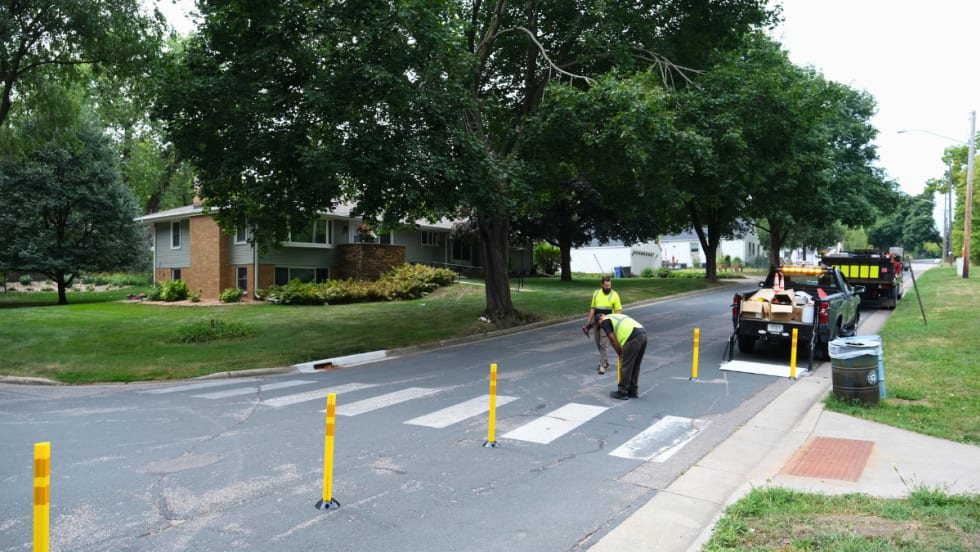
Minneapolis School Zone Pilot Cuts Speeding 41% with Low-Cost Street Design Changes
In a pilot project in Minnesota, two school-area intersections had low-cost, temporary road and traffic flow improvements made to measure the impact on roadway and student safety. Here's what they found.
Read More →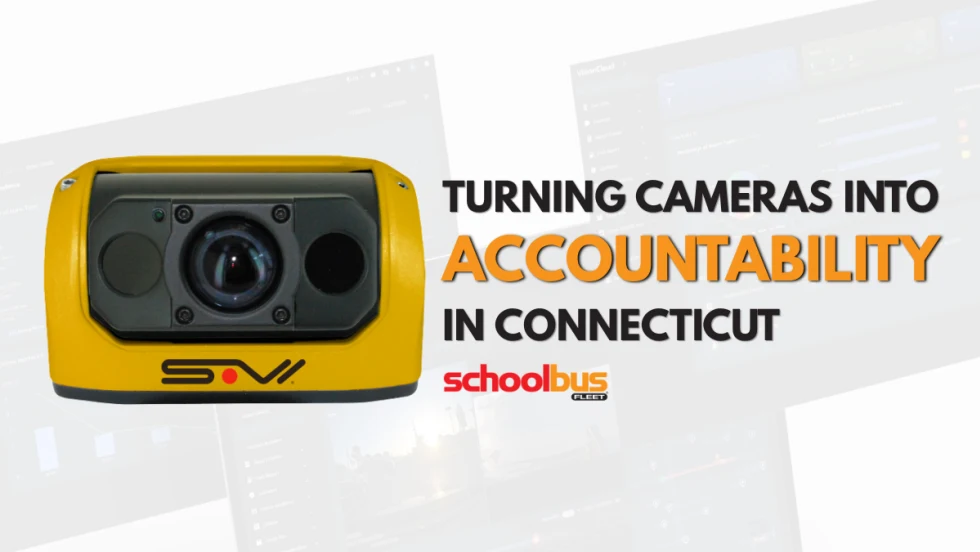
Sitestream, Safety Vision Partner with Connecticut City to Launch School Bus Stop-Arm Camera Program
The new enforcement initiative combines camera technology and violation management software to document illegal school bus passing, encourage driver compliance, and enhance student safety.
Read More →
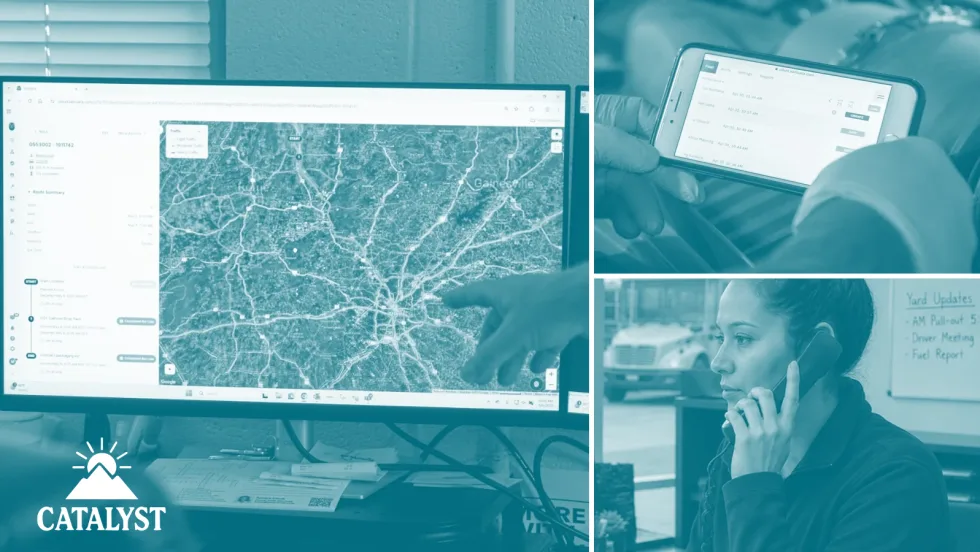
From Reactive to Proactive: Making Every Ride Visible
Smart technology only delivers its full value when it works together. See how Catalyst connects proven industry platforms to move student transportation from reactive to proactive.
Read More →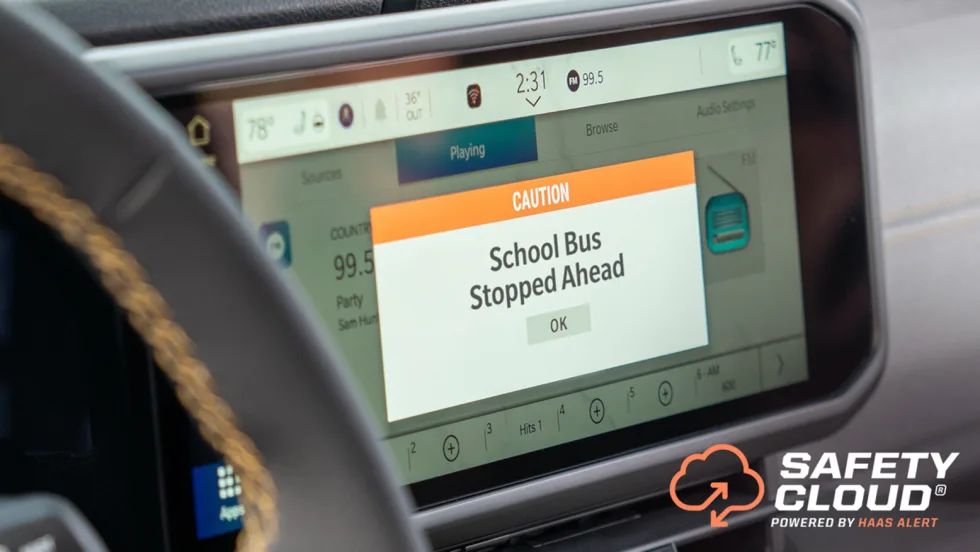
HAAS Alert’s Safety Cloud Warns Motorists of Stopped School Buses
Through a transponder or Samsara connection, the product lets school bus fleets send advance warnings to approaching drivers through in-vehicle alerts.
Read More →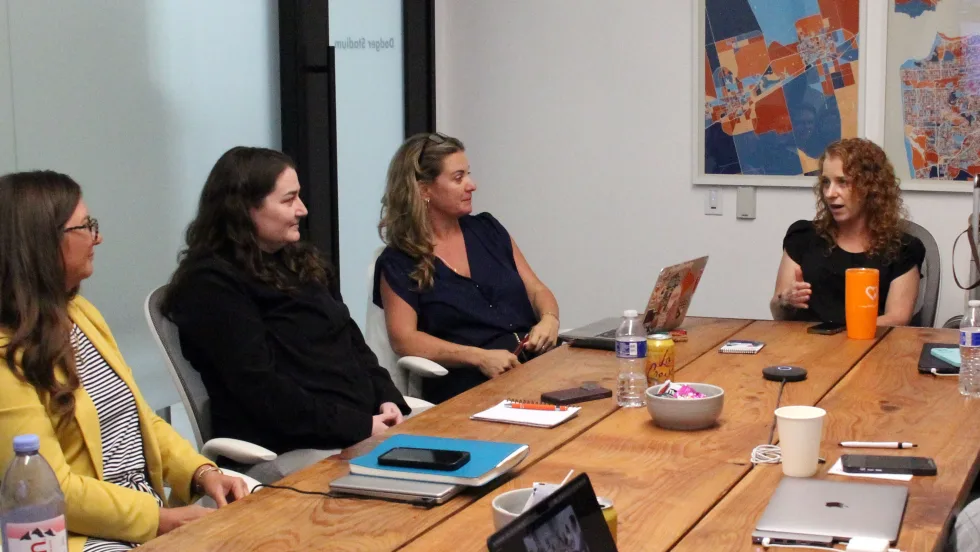
HopSkipDrive Reports Progress on Safety Advisory Council
More than a year after forming the council, independent safety experts have helped shape new rider-safety features and policy progress, with a new goal to address rider behavior.
Read More →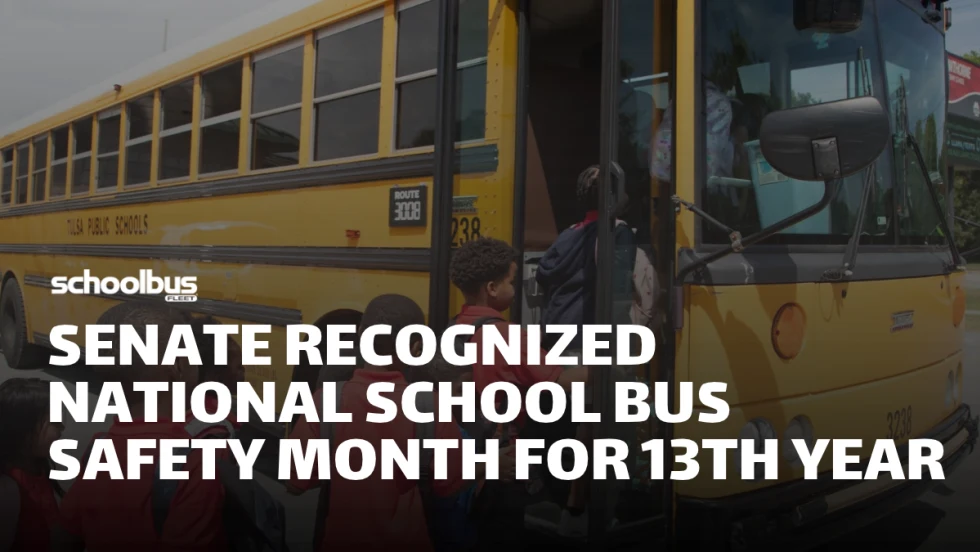
What the 2026 National School Bus Safety Month Resolution Means for Student Transportation
The bipartisan resolution highlights illegal school bus passing, student safety during loading and unloading, and the need for driver training and public education.
Read More →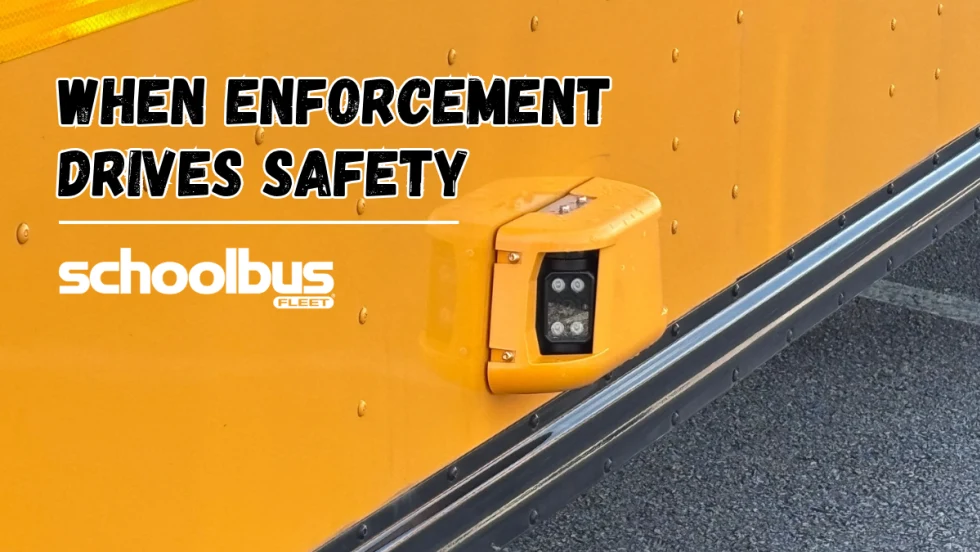
School Bus Stop-Arm Violations Decline 53% Across Verra Mobility Programs
Verra Mobility shares how school bus stop-arm cameras and school zone safety programs are changing driver behavior, reducing violations, and protecting students.
Read More →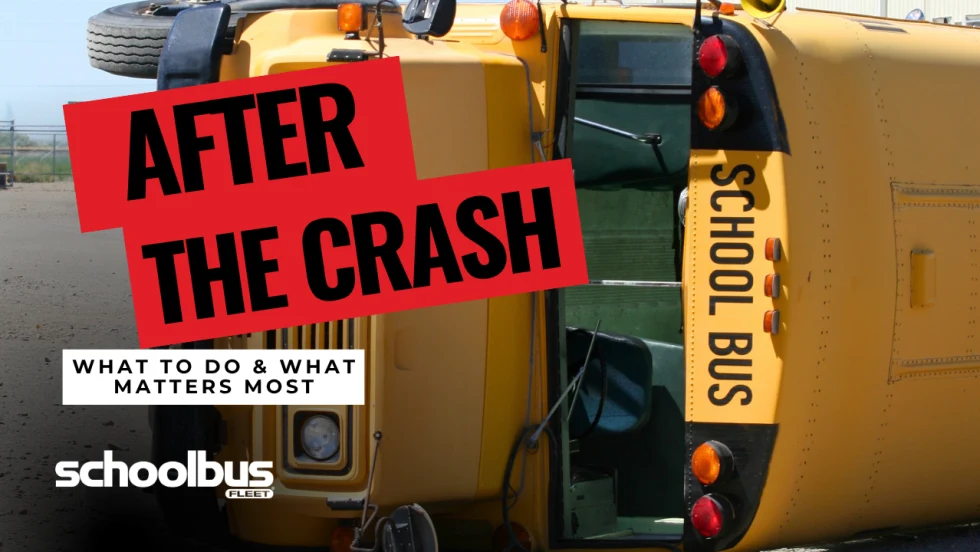
Most Bus Crashes Aren’t Your Fault. Here’s How to Prove It.
A guide for what to do in between a school bus crash and a claim: what to preserve, who to notify, and how to keep the facts available when they matter.
Read More →
National School Bus Safety Week 2026: Tips, Toolkits & Resources to Keep Students Safe
School bus safety takes more than awareness. Explore expert tips, enforcement strategies, and free resources to help protect students on every ride.
Read More →