




Natural gas vehicle e-learning course launched for technicians
The NGVI training informs technicians about safely working on compressed natural gas and liquefied natural gas vehicles.

The Natural Gas Vehicle Institute (NGVI) has released its NGV Technician and Fleet Operations Safety Training as an e-learning option.
The course, designed for natural gas vehicle (NGV) technicians and other fleet or dealership operations personnel, is accessible through an interactive learning management system, enabling students to learn independently and at their own pace.
NGVI officials said that the ASE-accredited course provides technicians with fundamental information for understanding and safely working on and around compressed natural gas (CNG) and liquefied natural gas vehicles.
“Because of the unique properties of natural gas and the fuel system components of natural gas vehicles, even seasoned vehicle technicians need this essential training before they begin maintaining NGVs,” said Leo Thomason, executive director and lead instructor at NGVI. “CNG-powered vehicles require high-pressure fuel systems with very different operating characteristics than gasoline or diesel vehicles. While these vehicles are extremely safe, it is essential that technicians understand the fuel system components and basic safety procedures like depressurization and defueling.”
The NGV Technician and Fleet Operations Safety e-learning course is about two hours in length and is organized into eight modules. The course is self-paced, with a quick knowledge check after each module and a final exam at the end of the course. Those who complete the course and pass the exam receive an NGVI certificate of completion.
More details about the training are available on the NGVI website.
More Maintenance
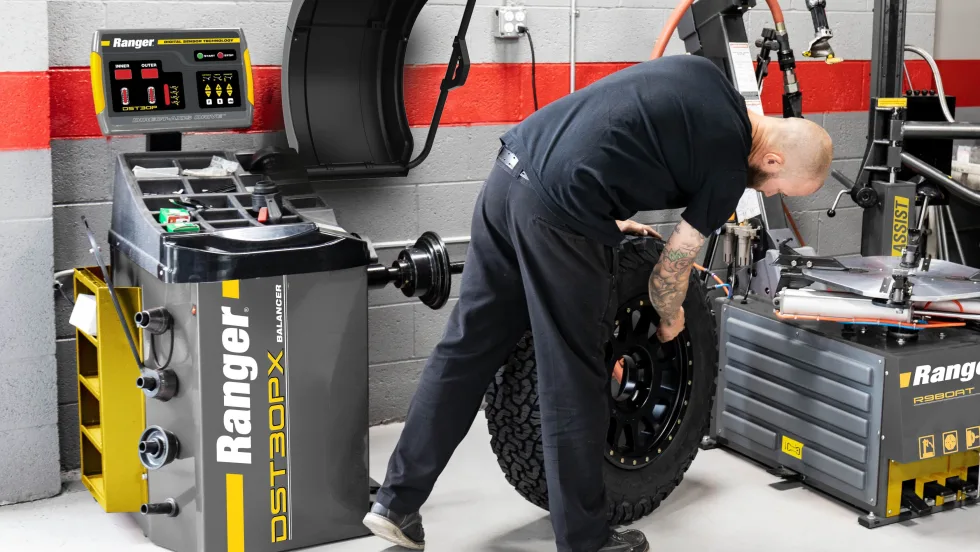
BendPak Launches Ranger DST30PX Wheel Balancer
BendPak's new wheel balancer handles tires up to 43 inches in diameter, with a reinforced design, precise weight placement, and faster service cycles.
Read More →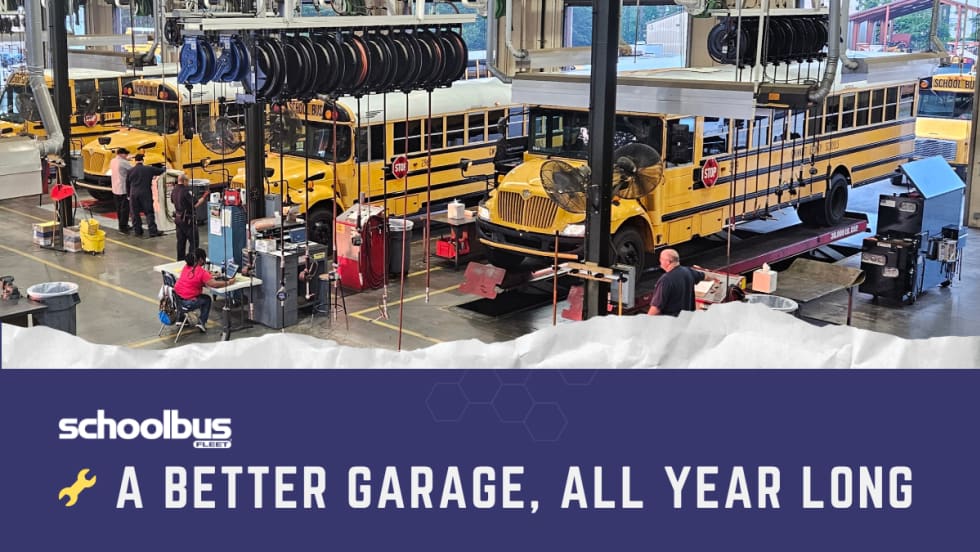
Tips for Ensuring School Bus Garages Are Safe and Warm Year-Round
Cold maintenance bays and rising heating costs? Learn how school bus garages can improve comfort with targeted heating, better airflow, and winter preparation.
Read More →
ASE Highlights School Bus Technician Certification Requirements
ASE is encouraging school bus maintenance professionals to maintain their certifications, highlighting seven specialized tests and five-year renewal requirements.
Read More →
International Adds E-Commerce Capabilities to Fleetrite.com
IC Bus customers can now browse, buy, and track shipments for more than 400,000 aftermarket parts online.
Read More →
The Most Expensive Thing You Do Before Selling a School Bus: Wait
When should you sell an aging school bus? Learn how maintenance, mileage, corrosion, specifications, and timing can affect resale value long before the auction.
Read More →
The Evolution of DEF Header Technology: What School Bus Operations Should Know at Replacement Time
See what school bus fleets should consider when replacing DEF headers to improve reliability, reduce repeat repairs, and control maintenance costs.
Read More →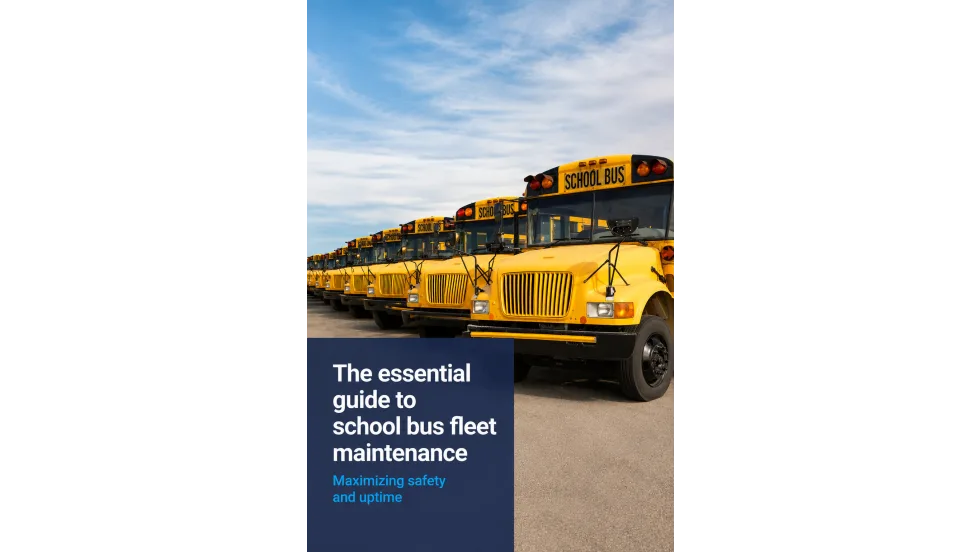
The Essential Guide to School Bus Maintenance and Student Safety
Your district's buses carry students to school every day. This guide shows how predictive maintenance powered by fleet data helps keep buses reliable, drivers accountable and students safer from the first bell to the last stop.
Read More →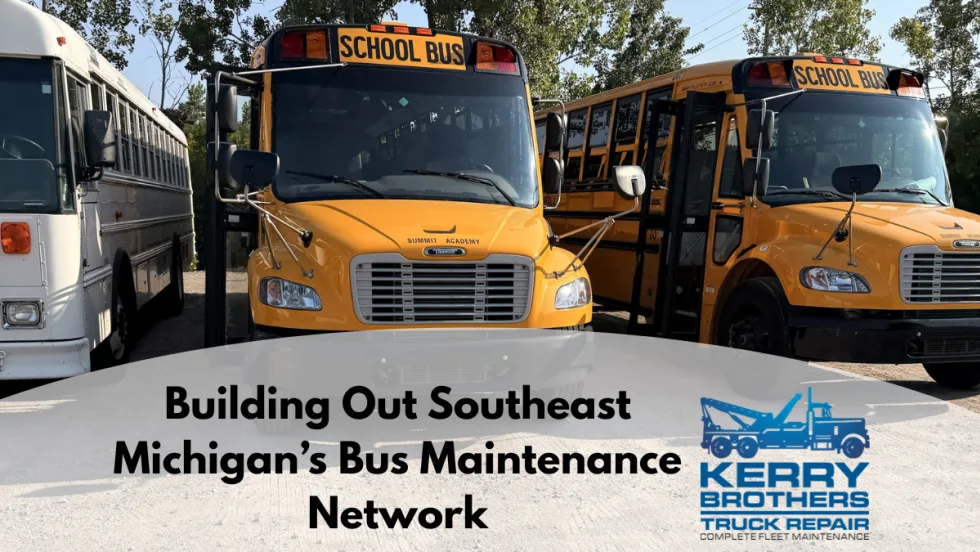
Kerry Brothers Grows Michigan School Bus Repair Network
The acquisition of Downriver Truck and Bus expands Kerry Brothers’ school bus maintenance footprint across southeast Michigan, adding repair capacity, diagnostic resources, and state inspection support.
Read More →
Noregon Introduces CAN Bus Diagnostic Tool, Expands JPRO Features
CAN Mentor and the latest JPRO update aim to simplify vehicle network diagnostics and improve repair efficiency for technicians of all experience levels.
Read More →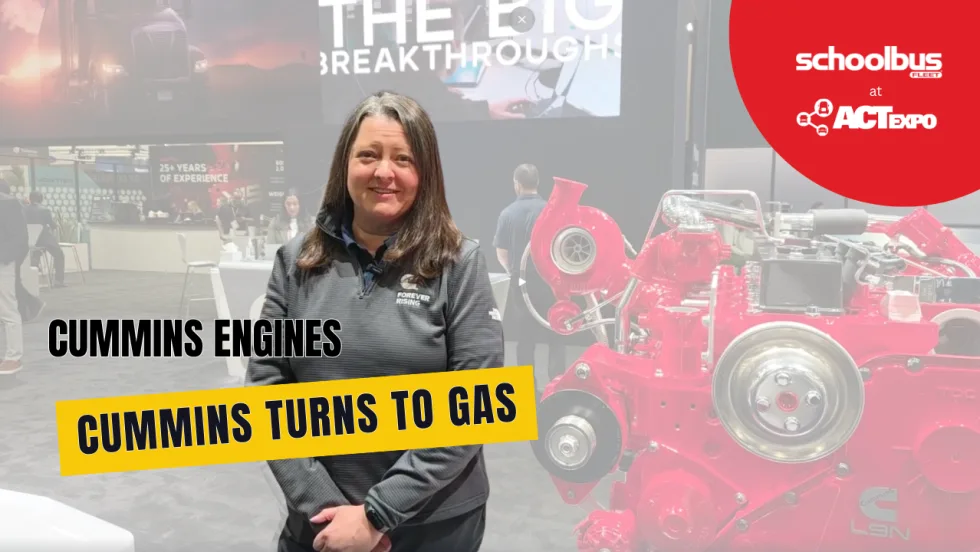
Cummins on Smarter, Simpler Engine Innovation
Cummins discusses its first-ever gasoline engine for school buses, EPA 2027, and why bus fleets still want durable, simpler internal combustion options.
Read More →