




Lawmakers have yet to reach agreement on illegal bus passing law
Mississippi senators say the House version of Nathan's Law, passed last week, weakens existing legislation on illegal passing. The bill includes a charge of aggravated assault for violators, but senators believe it will be impossible to prosecute violators on that charge.

JACKSON, Miss. — State senators approved a version of Nathan's Law on Friday that was different from the version passed last Wednesday by the House. In all likelihood, the bill will be sent to a House-Senate conference committee and be changed to include elements of the different versions.
The legislation is named after a kindergartner who was killed when a man illegally passed his school bus. As previously reported by SBF, the bill got full support from the state Senate last year, but became tied up in a House committee where certain penalties and requirements were taken out.
The bill passed by the House states that drivers who pass stopped school buses will face fines of $750 for a first offense and $1,500 for a second offense committed within two years of the first, The Commercial Appeal reports. Second offenders will also have their driving privileges revoked for 90 days. Despite increased fines, senators believe the House version of the bill is weaker than the current illegal passing law.
The House bill also subjects violators to an aggravated assault charge, which is punishable by up to 20 years in jail. However, senators say it will be difficult to prosecute violators on this charge.
More Safety

How Rockwall ISD Built an Award-Winning Safety Culture
How did one Texas transportation team strengthen bus and traffic safety? Jennifer Gardella shares lessons on driver training, coaching, technology, and team culture. The Route is brought to you by IC Bus.
Read More →
North Carolina Student Killed While Boarding School Bus, Two Die in Utah Bus Crash
A Southern Nash High School student died after being struck by a pickup truck while approaching her school bus. In a separate incident, two people were killed after crashing into a school bus in Utah.
Read More →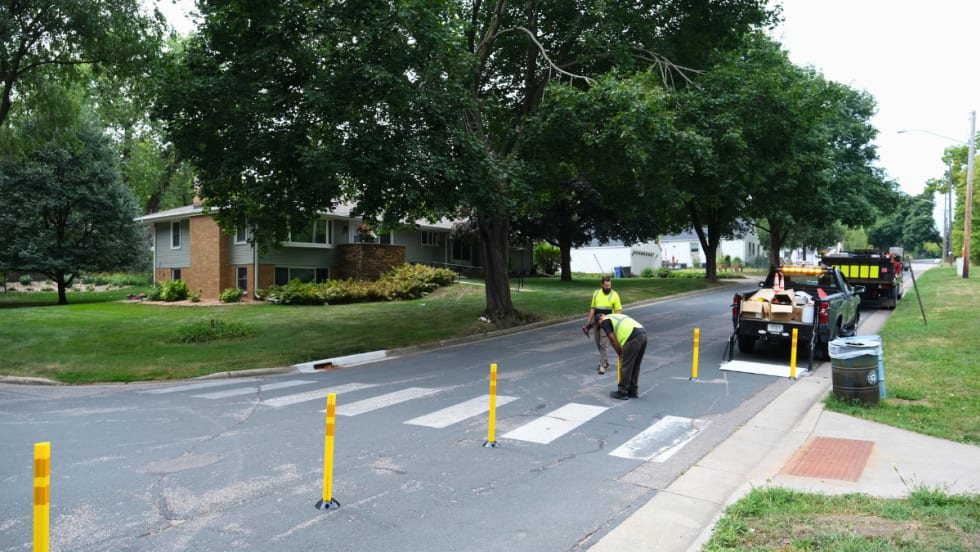
Minneapolis School Zone Pilot Cuts Speeding 41% with Low-Cost Street Design Changes
In a pilot project in Minnesota, two school-area intersections had low-cost, temporary road and traffic flow improvements made to measure the impact on roadway and student safety. Here's what they found.
Read More →

Sitestream, Safety Vision Partner with Connecticut City to Launch School Bus Stop-Arm Camera Program
The new enforcement initiative combines camera technology and violation management software to document illegal school bus passing, encourage driver compliance, and enhance student safety.
Read More →
From Reactive to Proactive: Making Every Ride Visible
Smart technology only delivers its full value when it works together. See how Catalyst connects proven industry platforms to move student transportation from reactive to proactive.
Read More →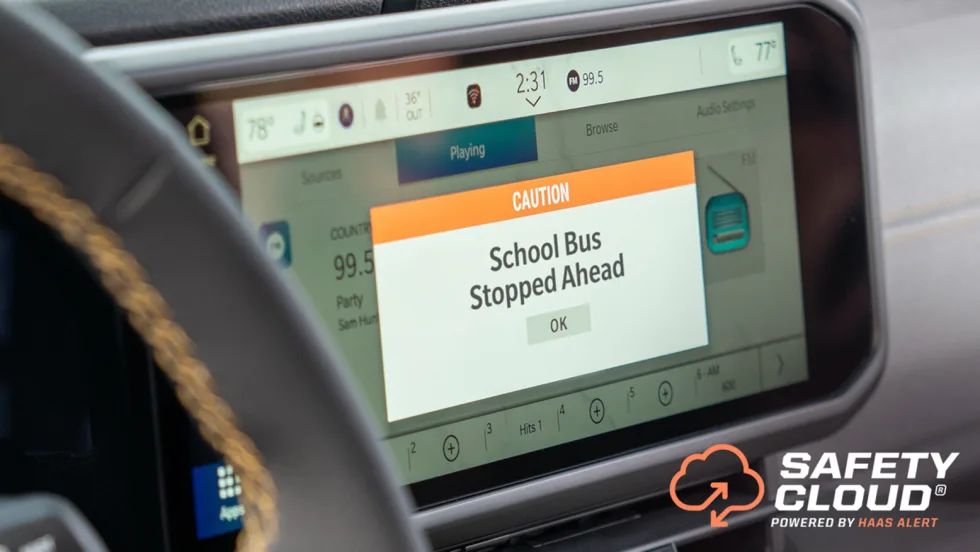
HAAS Alert’s Safety Cloud Warns Motorists of Stopped School Buses
Through a transponder or Samsara connection, the product lets school bus fleets send advance warnings to approaching drivers through in-vehicle alerts.
Read More →
HopSkipDrive Reports Progress on Safety Advisory Council
More than a year after forming the council, independent safety experts have helped shape new rider-safety features and policy progress, with a new goal to address rider behavior.
Read More →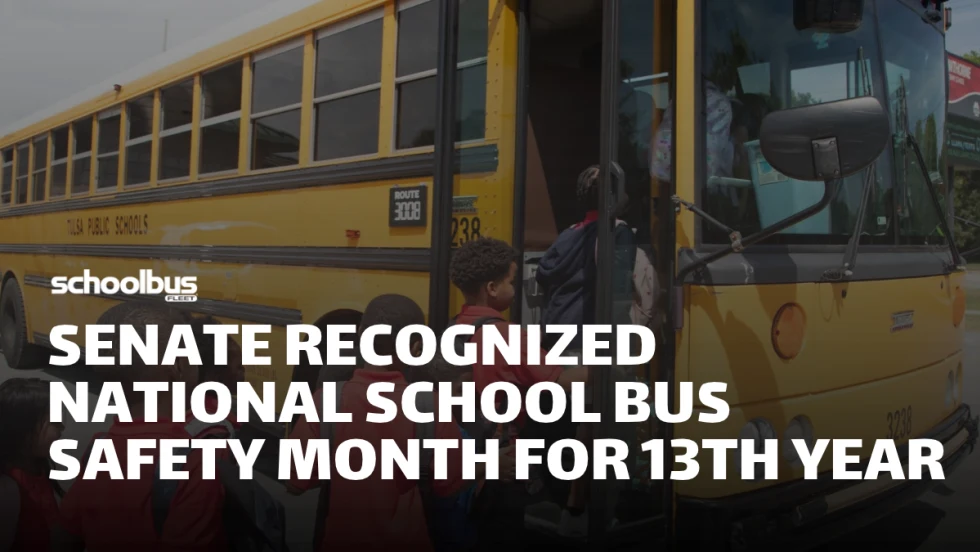
What the 2026 National School Bus Safety Month Resolution Means for Student Transportation
The bipartisan resolution highlights illegal school bus passing, student safety during loading and unloading, and the need for driver training and public education.
Read More →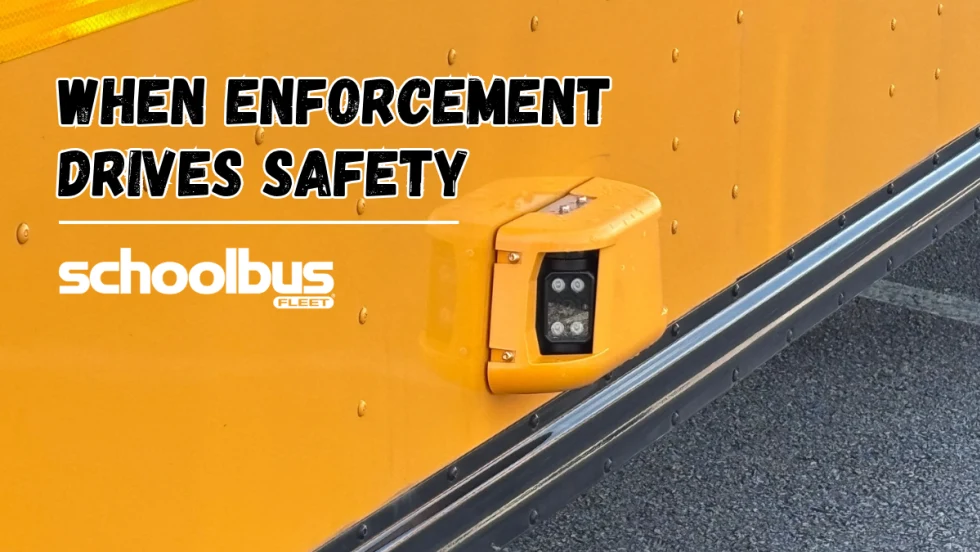
School Bus Stop-Arm Violations Decline 53% Across Verra Mobility Programs
Verra Mobility shares how school bus stop-arm cameras and school zone safety programs are changing driver behavior, reducing violations, and protecting students.
Read More →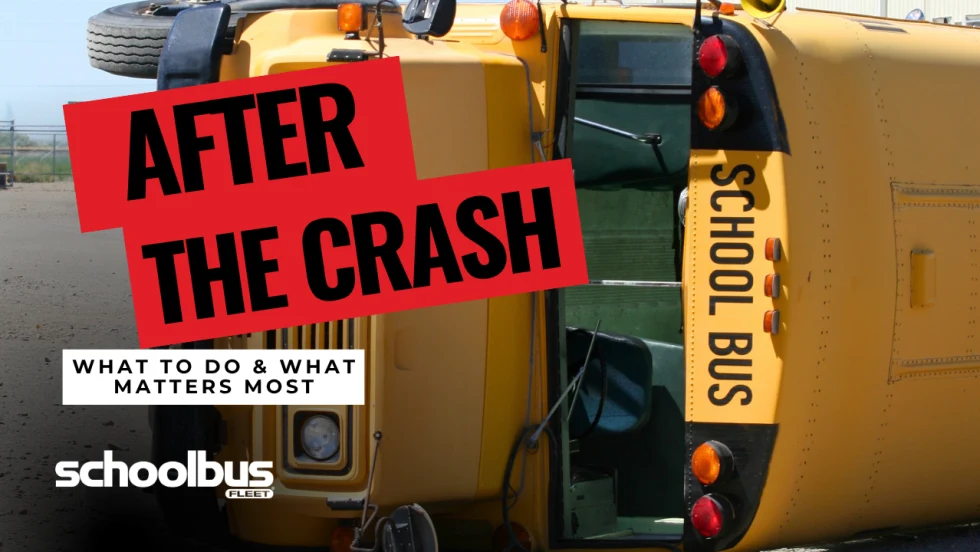
Most Bus Crashes Aren’t Your Fault. Here’s How to Prove It.
A guide for what to do in between a school bus crash and a claim: what to preserve, who to notify, and how to keep the facts available when they matter.
Read More →