




Freightliner reduces carbon footprint with “green” efforts
The chassis manufacturer began participating in the Zero Waste to Landfill program in 2007 and became 100 percent landfill waste-free last month. Employees have also implemented recycling programs, and the company has produced several alternative-fueled chassis in recent years.

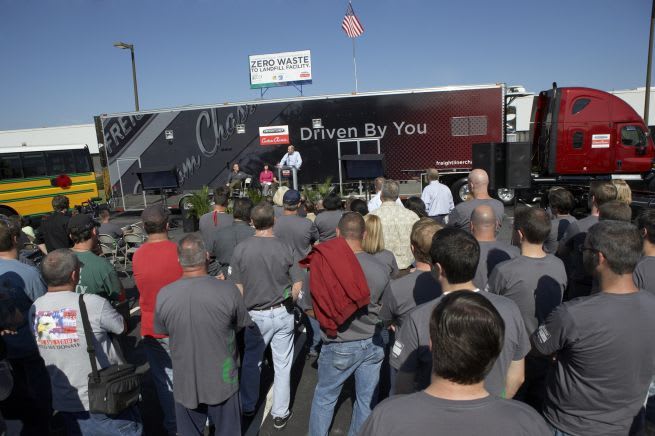
GAFFNEY, S.C. — Exemplifying one of its numerous efforts to become an environmentally friendly company, Freightliner Custom Chassis Corp. (FCCC) has achieved Zero Waste to Landfill status.
FCCC, which builds the chassis for the Thomas Built Buses Saf-T-Liner C2 school bus, went from disposing 250,000 pounds per month of solid waste in 2007 to disposing zero pounds last month as a result of environmental efforts implemented at its facility.
The Zero Waste to Landfill directive was initiated by Daimler AG to reduce the carbon footprint of manufacturing facilities under the Daimler umbrella. FCCC’s manufacturing facility was chosen as the pilot site for the Zero Waste to Landfill program by FCCC parent company Daimler Trucks North America (DTNA). The goal of the program was for the FCCC facility to become 100 percent landfill waste-free by 2010.
“Freightliner Custom Chassis Corp. easily surpassed our corporate goal by realizing Zero Waste to Landfill status three months earlier than our original January 2010 target date,” said Roger Nielsen, chief operating officer of DTNA. “FCCC was able to achieve these results by the continued efforts and diligence of all employees within the company, and we continue to seek ways to reduce our environmental impact in our facility and through our products and alternative-fuel efforts.”
Nielsen, pictured at the podium in the photo, congratulated FCCC employees on their accomplishments and added that efforts undertaken by FCCC will be used as an environmental blueprint to be implemented at other DTNA facilities.
The FCCC facility recycles materials such as plastic, paper, aluminum, cardboard, metals, wood and nylon. Moreover, the company developed a “Green Team” that includes employees who are committed to reducing the company and community’s carbon footprint. The Green Team was integral to the success of the Zero Waste to Landfill program, implementing and improving recycling programs and communicating these efforts and accomplishments with other employees.
For instance, to help easily identify and separate waste materials for recycling, the Green Team developed the Environmental Team SharePoint portal on the company’s intranet site. The portal provided all employees with access to information to simplify recycling efforts, as well as updates on Zero Waste to Landfill efforts. The team also encouraged suppliers and vendors to use returnable and recyclable packaging, and worked to identify inefficiencies in the facility, such as air leaks and overages in electricity and water usage.
The Zero Waste to Landfill initiative is also in line with FCCC’s alternative-fueled chassis models. In March, the company introduced the hydraulic hybrid, built on the MT-55 walk-in van chassis. FCCC also manufactures compressed natural gas commercial vehicle chassis and hybrid-electric vehicle chassis to the walk-in van market.
In 2008, FCCC introduced the hybrid-electric ecoFRED chassis for the motor home industry and the MB-HEV hybrid-electric commercial bus chassis.
More Alternative Fuels

CALSTART and Forth Combine to Form Catalyst Mobility
The new name represents a renewed vision for the nonprofit focused on advancing clean, equitable, and affordable transportation solutions that move people and goods.
Read More →
Alt-Fuel Moves: New Buses, Charging Hubs & Real-World EV Testing
Propane and electric school bus deployments continue to grow as districts add new vehicles, expand charging infrastructure, and gather more real-world operating data.
Read More →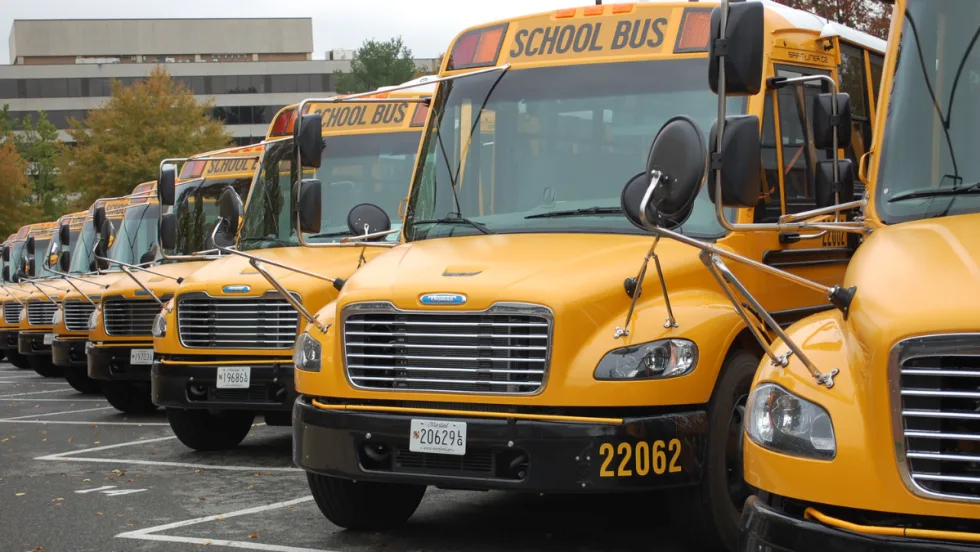
Fewer Electric School Bus Models Reshape the U.S. Market
WRI’s latest buyer’s guide points to a consolidating electric school bus market, but fewer options may reflect a maturing industry rather than fewer meaningful choices for school bus operators.
Read More →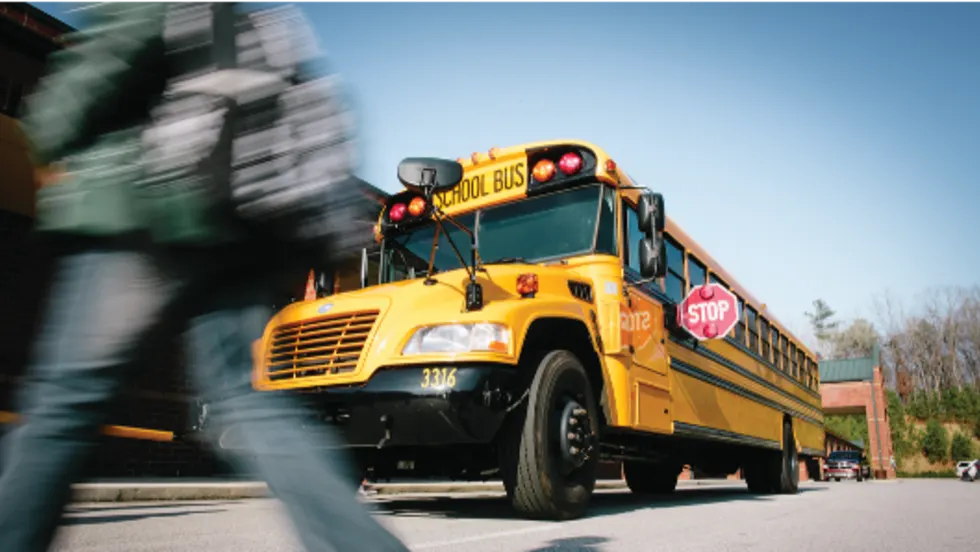
The Fuel Budget You Can Actually Predict: How Propane Autogas Keeps Money in the Classroom
Learn how propane autogas helps school districts manage fuel costs with predictable pricing, lower maintenance, and reduced emissions from former transportation director Joel Stutheit.
Read More →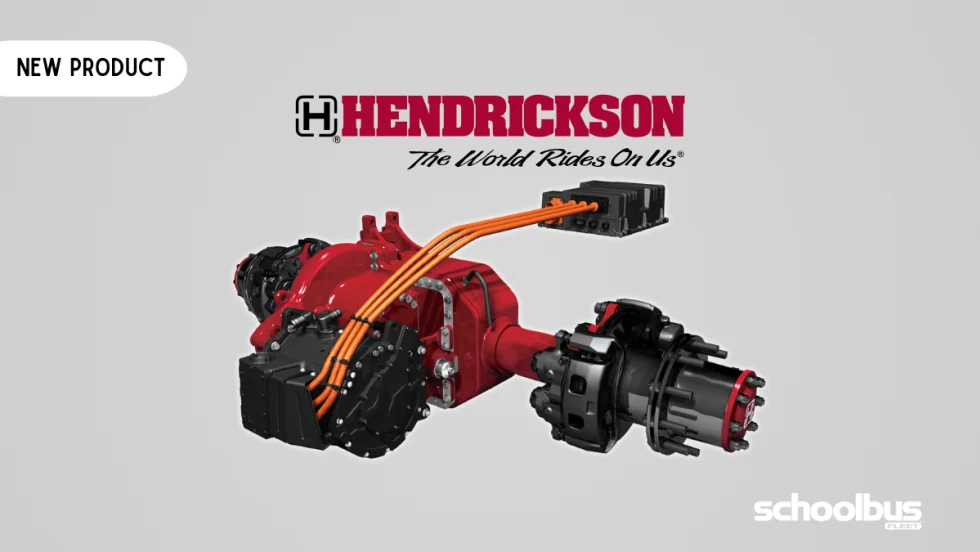
Hendrickson, Driventic Introduce New Electric Powertrain for School Buses
ELECTRAAX, the electrified, lightweight drive axle offers integrated ePowertrain efficiency and modular flexibility for Class 6–7 school bus use.
Read More →
The Mobility House Joins PowerFlex in Fleet Electrification Deal
The acquisition combines intelligent charging software, bidirectional charging expertise, and fleet electrification services to support the growing adoption of electric school buses across North America.
Read More →
Alt-Fuel Moves: Electric School Bus Investments Hit the Road
See which districts across the U.S. are putting electric school buses into service, expanding charging infrastructure, and planning the next phase of fleet electrification.
Read More →
With Fuel Volatility Ahead, School Districts Turn to Propane
While diesel prices peaked above $5 this spring, districts with propane autogas-powered fleets paid under $2 per gallon, according to PERC.
Read More →
EPA Unveils Proposed Changes to 2027 Heavy-Duty Engine Rules
The federal agency has proposed changes to next year’s targets that would eliminate DEF derates, ease warranty requirements, and retain current NOx emissions standards.
Read More →
Alt-Fuel Moves: EV Charging & Infrastructure Projects Gain Momentum
The latest developments include new funding, charging infrastructure, utility investments, and fleet technologies designed to support the transition to electric school buses nationwide.
Read More →