





Check Out: NASDPTS Conference: Modernized CDL Test Option Now Available
FMCSA Won't Move Forward with Additional Inspections Rule
The rule would’ve required states to implement potentially duplicative annual vehicle inspections for passenger-carrier commercial motor vehicles, such as school buses.
December 8, 2022
The proposed rule was originally introduced in 2016 and would have encompassed school buses, motorcoaches, mini-buses, and passenger vans.
Image: Federal Motor Carrier Safety Administration
2 min to read
The Federal Motor Carrier Safety Administration (FMCSA) has withdrawn its proposal to mandate states to implement extra annual inspections for vehicles such as school buses and motorcoaches.
The FMCSA originally planned to withdraw the proposed rule in 2017, a year after introducing it. After enactment of the Infrastructure Investment and Jobs Act in 2021, the agency was prompted to seek more comments to determine if the proposal should move forward after all.
The National School Transportation Association (NSTA) submitted a response in June outlining concerns about the rule.
“According to feedback received from NSTA state association members, most states already provide thorough inspection programs and standards for school buses,” wrote NSTA Executive Director Curt Macysyn. “Further, during a time where (the) industry continues to experience major labor shortages, NSTA believes that the implantation of additional requirements may serve to further stress an already overburdened system.”
The Commercial Vehicle Safety Alliance (CVSA) commended the FMCSA for seeking improvements to passenger-carrier safety, but the inspection programs suggested in the proposed rule “would require significant resources.”
“In addition, it should be noted that not all jurisdictions will have the authority to implement a program without being granted additional spending authority from state legislatures for personnel and capital expenses,” wrote Collin B. Mooney, CVSA executive director.
The American Association of Motor Vehicle Administrators (AAMVA) also expressed appreciation for vehicle safety advocacy, but cited:
Concerns about unfunded mandates due to state budget constraints.
The expanded definition of qualified vehicles, including school buses, motorcoaches, mini-buses, 9-15 passenger vans, or other.
Lack of clarity about who would perform the inspections.
In comments signed by Cian Cashin, AAMVA director of government affairs, the association found that “the expansion of this program prior to concrete inspection criteria and specific direction on how states to respond to non-compliance with inspections is premature.” The association encouraged FMCSA to “focus on updating the baseline periodic inspection requirements for the existing vehicles subject to federal inspection requirements” and urged the agency to consider the CVSA’s the proposed rule.
“Many commenters indicated that the existing standards for annual inspections prescribed in the Federal Motor Carrier Safety Regulations, or their own programs, were sufficient,” according to the FMCSA report published in the Federal Register. “Commenters also indicated that current standards are effective at mitigating risk when properly enforced.”
After considering these comments, the FMCSA opted to hold with its decision to withdraw the proposal.
More Maintenance
ASE Highlights School Bus Technician Certification Requirements
ASE is encouraging school bus maintenance professionals to maintain their certifications, highlighting seven specialized tests and five-year renewal requirements.
Read More →
International Adds E-Commerce Capabilities to Fleetrite.com
IC Bus customers can now browse, buy, and track shipments for more than 400,000 aftermarket parts online.
Read More →
The Most Expensive Thing You Do Before Selling a School Bus: Wait
When should you sell an aging school bus? Learn how maintenance, mileage, corrosion, specifications, and timing can affect resale value long before the auction.
Read More →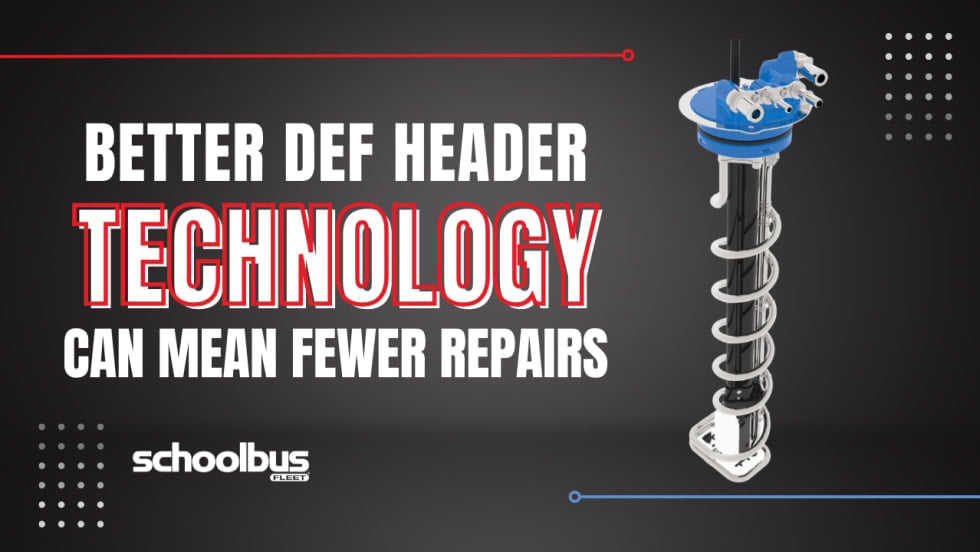
The Evolution of DEF Header Technology: What School Bus Operations Should Know at Replacement Time
See what school bus fleets should consider when replacing DEF headers to improve reliability, reduce repeat repairs, and control maintenance costs.
Read More →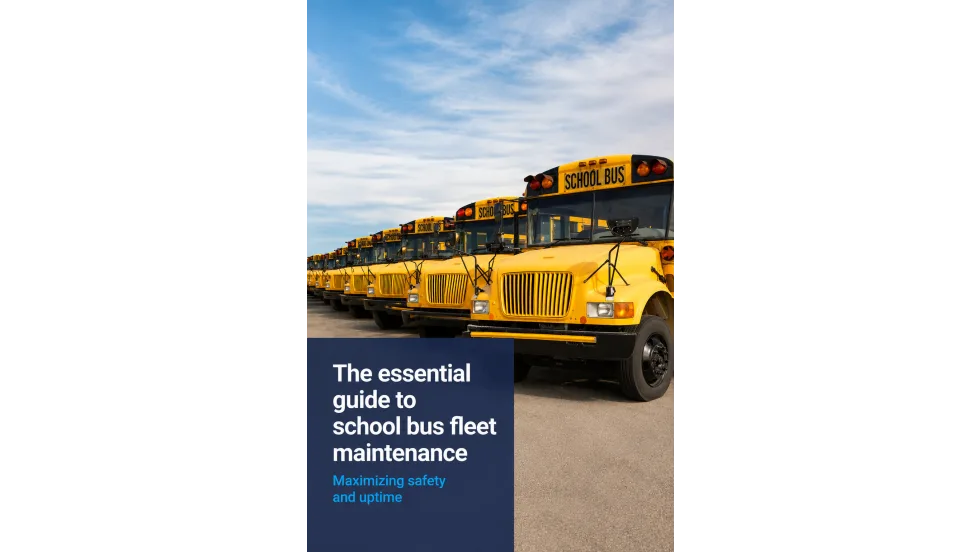
Sponsored•September 8, 2026
The Essential Guide to School Bus Maintenance and Student Safety
Your district's buses carry students to school every day. This guide shows how predictive maintenance powered by fleet data helps keep buses reliable, drivers accountable and students safer from the first bell to the last stop.
Read More →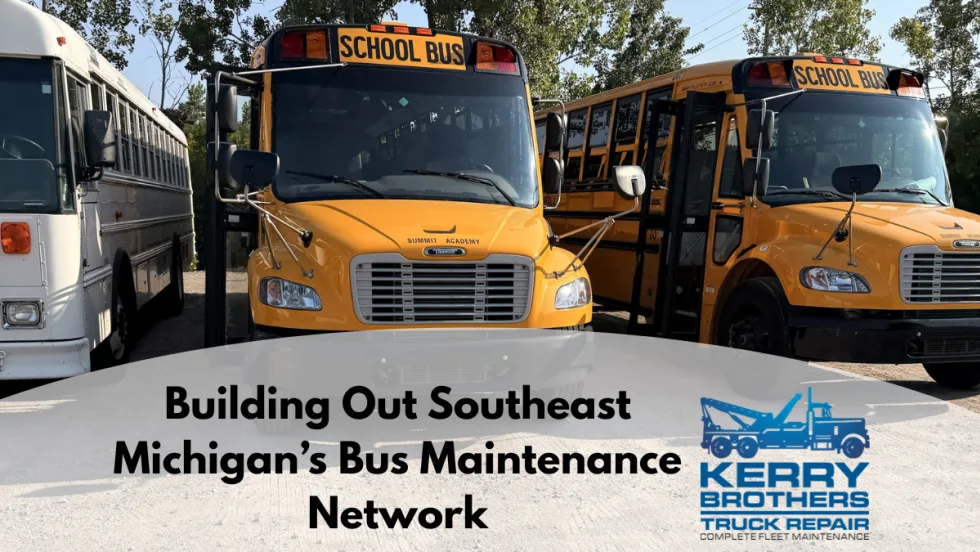
Kerry Brothers Grows Michigan School Bus Repair Network
The acquisition of Downriver Truck and Bus expands Kerry Brothers’ school bus maintenance footprint across southeast Michigan, adding repair capacity, diagnostic resources, and state inspection support.
Read More →
Noregon Introduces CAN Bus Diagnostic Tool, Expands JPRO Features
CAN Mentor and the latest JPRO update aim to simplify vehicle network diagnostics and improve repair efficiency for technicians of all experience levels.
Read More →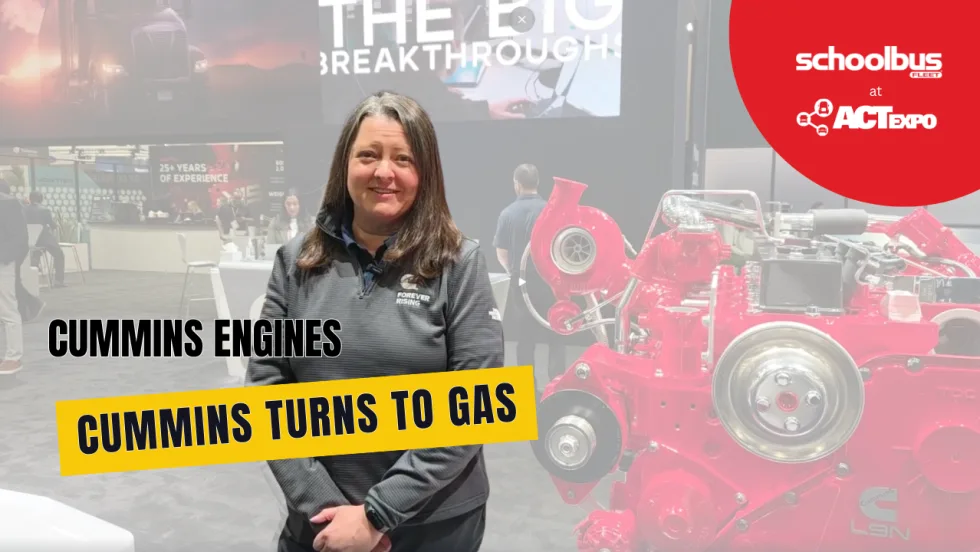
Cummins on Smarter, Simpler Engine Innovation
Cummins discusses its first-ever gasoline engine for school buses, EPA 2027, and why bus fleets still want durable, simpler internal combustion options.
Read More →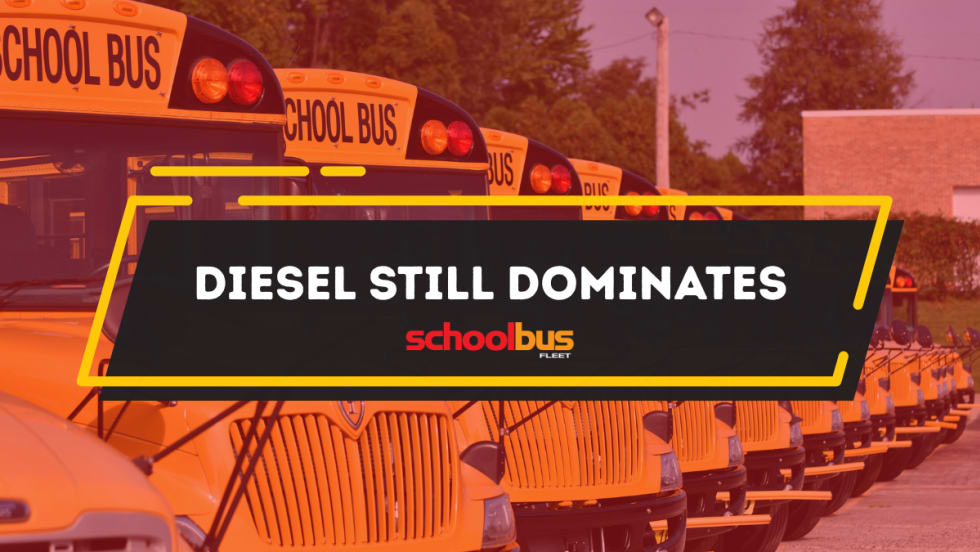
Report: 72% of Diesel School Buses Now Use Advanced Low-Emission Engines
New data shows advanced low-emission diesel technology continues expanding across school bus fleets, even as electric bus adoption gains momentum.
Read More →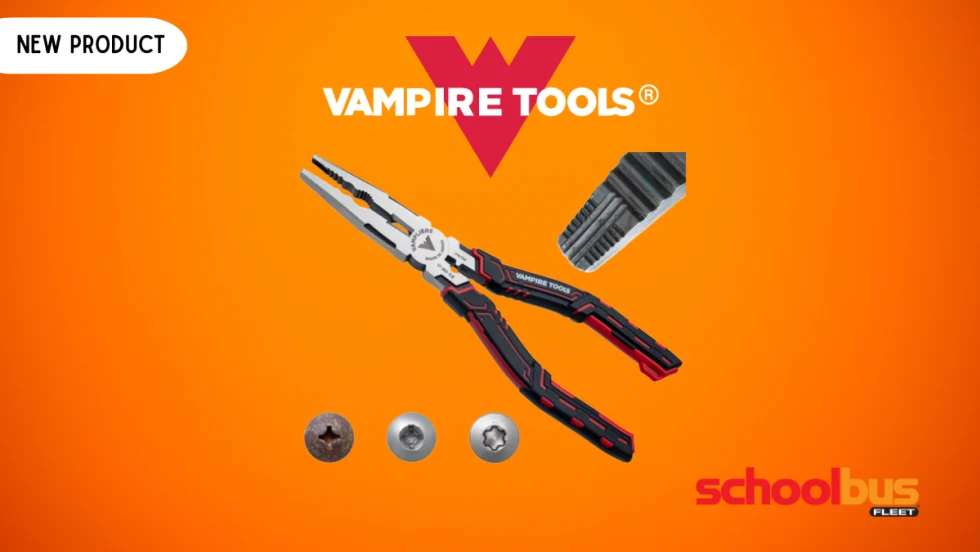
Vampire Tools' CAIMAN 7.5-Inch Multi-Purpose Screw Extractor Long-Nose Pliers with Crimper
Vampire Tools introduced the VAMPLIERS Caiman 7.5-inch multi-purpose pliers, combining screw extraction, cutting, crimping, and gripping functions into a single tool designed for fleet maintenance professionals.
Read More →