




FMCSA Rescinds DVIR Report Requirements for Motorcoach
The new rule will eliminate the need for a driver to file, and a motor carrier to maintain, a no-defect DVIR.
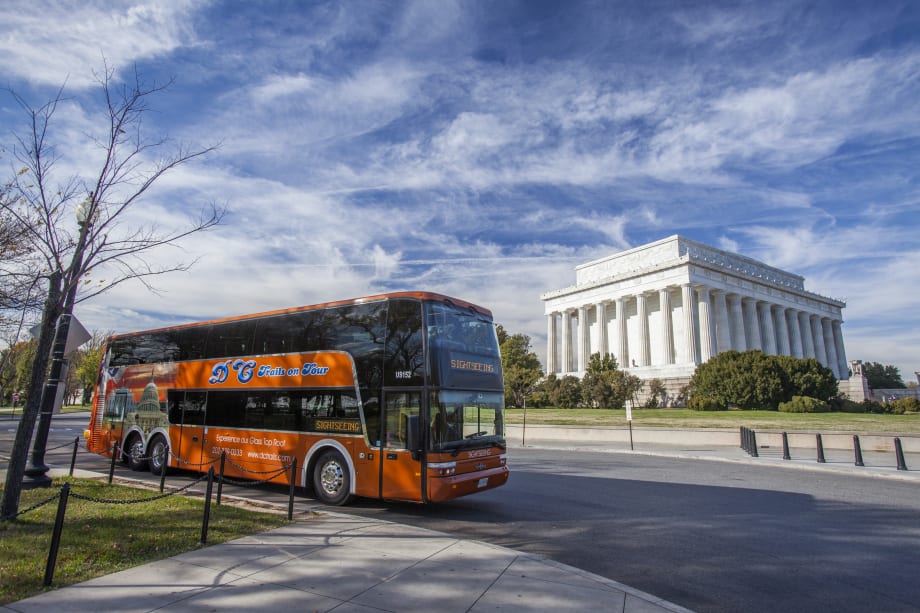
FMCSA has focused on reducing regulatory burdens without impacting safety.
DC Trails
As part of the agency’s ongoing effort to review existing regulations to evaluate their continued necessity and effectiveness, the Federal Motor Carrier Safety Administration (FMCSA) is rescinding the requirement that drivers of commercial buses submit — and their motor carriers retain — driver-vehicle inspection reports (DVIRs) when the driver has neither found nor been made aware of any vehicle defects or deficiencies.
“This straightforward rule is reflective of the agency and US DOT’s approach to reducing unneeded regulatory costs, while ensuring safety. Eliminating regulatory burdens and saving commercial drivers valuable time is helpful to support the commercial bus industry — especially during our nation’s economic recovery,” said FMCSA Deputy Administrator Jim Mullen. “The bus industry plays a critical role in connecting our nation’s people and communities, and this commonsense rule change will make a difference for commercial bus companies around the country,”
Current regulations require commercial bus drivers to submit DVIRs even if there are no vehicle defects to report. The new rule will eliminate the need for a driver to file, and a motor carrier to maintain, a no-defect DVIR.
The agency estimates that passenger-carrying commercial motor vehicle drivers spend approximately 2.4 million hours each year completing no-defect DVIRs, and that this rule would result in a cost savings of $74 million per year to the industry.
FMCSA has focused on reducing regulatory burdens without impacting safety. In May, the agency published a final rule on hours of service regulations that will save the motor carrier industry an estimated $273 million per year.
Additionally, in March 2019, the agency authored a final rule streamlining the process and reducing costs to upgrade from a Class B to Class A commercial driver’s license — a deregulatory action that will save eligible driver trainees and motor carriers $18 million annually.
Originally posted on Metro
More Safety
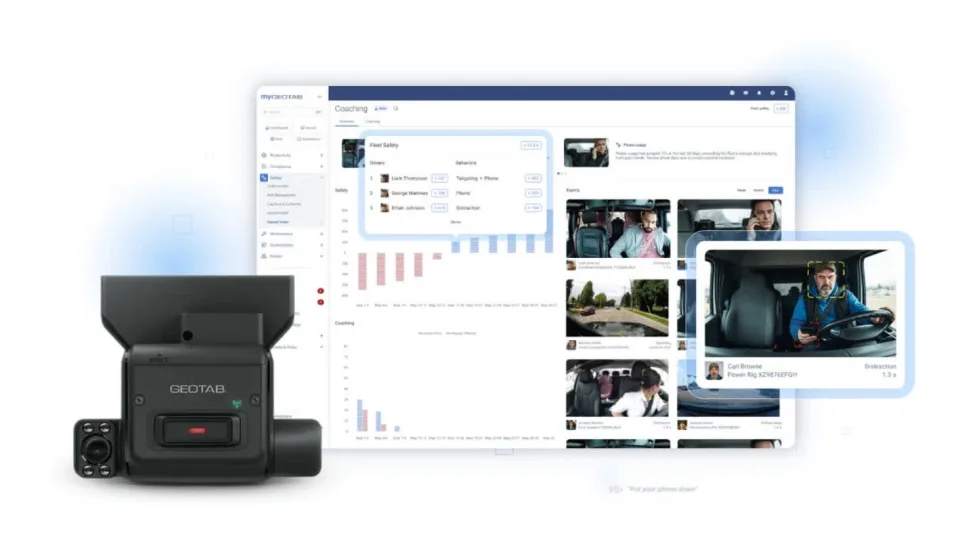
Geotab Expands Fleet Safety Tools With Video Coaching, Risk Insights
New safety and video capabilities aim to help fleet managers assess risk, support drivers, and take targeted action through video coaching, red-light violation detection, and more.
Read More →
How to Build a Better School Bus Driver Training Program
Is it time to strengthen your driver training? Here’s how to pick the right talent and improve recruitment, retention, and safety. This video is brought to you by IC Bus.
Read More →
Recent School Bus Accidents Leave 2 Dead, 2 Injured
Four school bus crashes in Florida, Illinois, and Georgia highlight risks in transportation lots, at bus stops, and during student loading and unloading.
Read More →

When Every Second Matters, Clarity Keeps Routes Moving
From routine delays to urgent incidents, strong communication practices help drivers, dispatchers, schools, and families respond with confidence.
Read More →
What Happens When a School Bus Catches Fire — and What Can Help
School bus fires are rare but can be devastating. Learn how advances in fire suppression and asset protection help fleets detect fires earlier, reduce damage, and improve safety.
Read More →
Geotab Launches Tool to Help Fleets Investigate Road Incidents
Geotab Investigations combines telematics data, video, documents, and other evidence to help fleets reconstruct incidents, resolve claims, and determine what happened.
Read More →
Texas Sixth Grader Wins 2026 National School Bus Safety Poster Contest
Sai Darshana Yekolu of Moseley Middle School in Prosper, Texas, was named the newest winner for her artwork, bringing the theme of “Safe Rides, Everyday Heroes” to life.
Read More →
Doing More With Less: How Transportation Directors Can Prioritize Safety Amid Budget Uncertainty
With diesel prices soaring and nearly one-third of transportation directors expecting budget cuts, maintaining student safety has never been more challenging. Download this guide to learn how leading districts are prioritizing risk, funding critical safety technology, and building stronger budget cases with data.
Read More →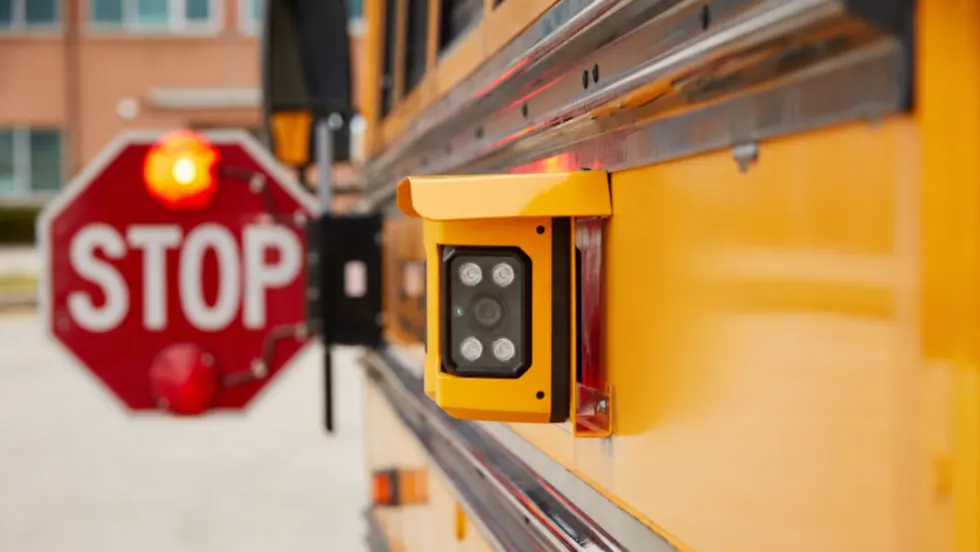
Walton County Schools Adds Gatekeeper Stop-Arm Enforcement System
The Florida district will deploy Gatekeeper’s updated Student Protector technology, which now incorporates AI to improve video evidence.
Read More →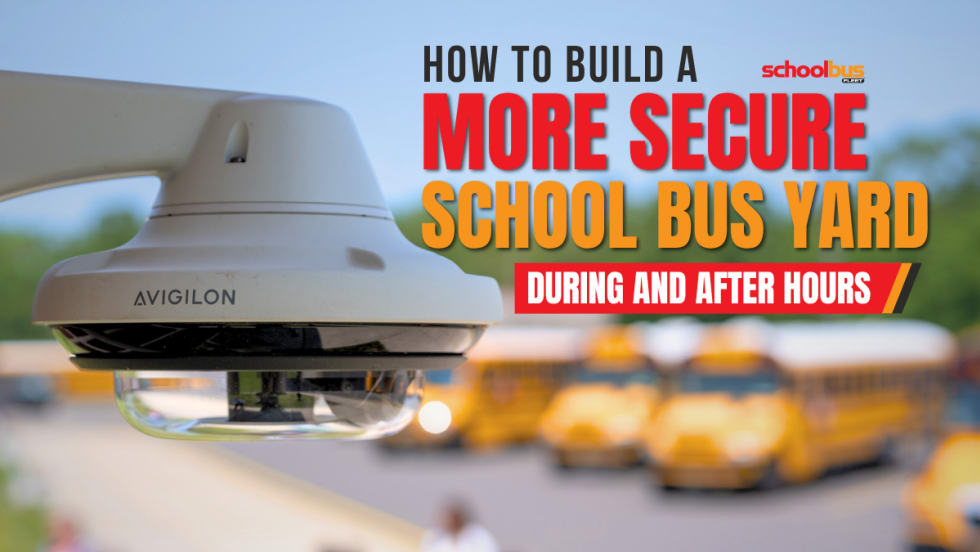
How To Build a More Secure School Bus Yard During and After Hours
As thefts and overnight security threats continue, school transportation leaders are combining stronger operational practices with AI-enabled surveillance to better protect buses, facilities, and staff.
Read More →