





License to Learn: Tailored Prep to Boost ELDT Compliance, Driver Safety
FMCSA Extends School Bus "Under-the-Hood" Waiver Until 2024
The NSTA sought five years but got two. NASDPTS and the NAPT were among organizations that reached out to the FMCSA to oppose the proposal for extending the waiver five years.
October 27, 2022
The FMCSA split the difference with NSTA's request, opting for a two year extension rather than five for the "under-the-hood" waiver.
Image: FMCSA
4 min to read
It’s not the five years sought by the National School Transportation Association, but the Federal Motor Carrier Safety Administration has approved another extension for the so-called “under-the-hood” waiver for school bus driver’s licenses until November 2024.
This waiver exempts drivers seeking their CDLs from having to take an engine compartment portion of the pre-trip vehicle inspection skills testing. Drivers who earn a CDL with this waiver are restricted to intrastate school bus operations.
In its notice approving the extension, the FMCSA indicated that granting the exemption “is likely to achieve a level of safety equivalent to or greater than the level of safety that would be obtained in the absence of the exemption.”
In Support of the Under-the-Hood Extension
The NSTA, Pennsylvania Department of Education, and other organizations and individuals supported the five-year extension in public comments.
“Commenters who supported the exemption noted that school bus drivers must remain with the children and, therefore, may never leave the bus and check the engine while en route,” according to the Federal Register’s report on the extension. “They noted that most school districts have mechanics, not drivers, perform engine compartment maintenance inspections.”
Supporters also noted that the exemption could attract new drivers, including young mothers and grandparents, thus alleviating the school bus driver shortage and reducing CDL testing delays.
Some Opposed to the Five-Year Extension
The National Association for Pupil Transportation (NAPT) and National Association of State Directors of Pupil Transportation Services (NASDPTS) were among those commenting in opposition to this latest extension of the “under-the-hood” waiver.
Wrote NAPT President Rick Grisham: “All things considered, we conclude the prudent course is to err on the side of safety and security. Apart from inspecting engine compartments in school buses with traditional fuels, an added consideration on the safety side is the current transition of the nation’s school bus fleet to electric propulsion, and possible new safety issues to monitor.”
The association also wrote that although NAPT hadn’t received any data to indicate the waiver had any detrimental effect on school bus safety, nor did it seem to have the intended benefit: “namely driver recruitment successes attributed to suspension of the under-the-hood requirement.”
Ronna Weber, NASDPTS executive director, offered respectful disagreement with NSTA’s assertion that “an exemption of the under-the-hood testing requirement will not have any effect on the safety levels of school bus operations.”
In her statement to the FMCSA, Weber wrote: “All school bus drivers must be able to perform pre-trip inspections of school buses and in order to do so, it is imperative that the driver check under the hood of the vehicle. The purpose of the under-the-hood inspection is to give drivers the opportunity to find issues before the bus goes out on the road, such as worn or frayed belts or low fluid levels. Failure to ensure the safety of the vehicle can cause dire consequences on the road and endanger student safety.”
Weber pointed out that under-the-hood components must be taught under the Entry-Level Driver Training (ELDT) requirements, leading NASDPTS leadership to wonder “why a driver should not be tested on information they are required to learn.”
Other concerns raised by NASDPTS include:
The intrastate-only requirement. State lines can’t always be easily avoided, such as in small states like Vermont, where school bus drivers may cross borders during home-to-school routes.
Potential costs to states to change their current testing processes. Wrote Weber: “Licensing and testing agencies would have to update their systems, all trainers and third-party testers would need to be trained on the waiver, and law enforcement would need to be trained on the additional license. Given the low number of states that have chosen to adopt the waiver and the low number of (CDL) drivers who have chosen to obtain their license via the exemption to date, it is difficult to find it cost-effective for a state to undertake the changes needed to accommodate the waiver.”
In the end, NASDPTS “believes that if a driver is capable of adequately ensuring safety in an emergency, then that same driver is capable of inspecting under the hood of a vehicle,” Weber wrote.
What Comes Next for the Extension
After evaluating all the comments, FMCSA granted a two-year extension rather than the five requested by NSTA.
“The two-year period will allow states time to implement the American Association of Motor Vehicle Administration (AAMVA) recommendations for modernizing the CDL skills testing procedures, which may eliminate the need for the exemption by providing the option for a less burdensome engine compartment component of the test,” stated the Federal Register report.
More Maintenance
Sponsored•September 8, 2026
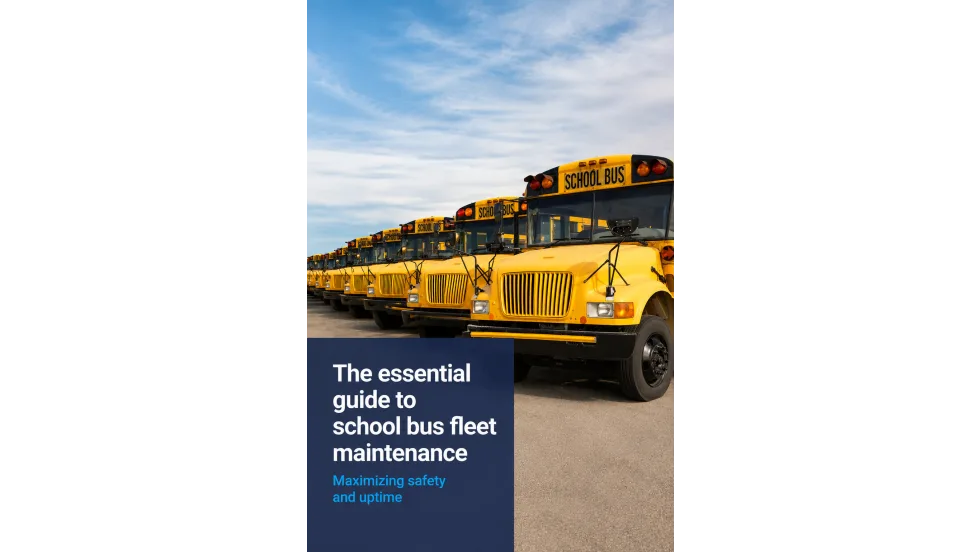
The Essential Guide to School Bus Maintenance and Student Safety
Your district's buses carry students to school every day. This guide shows how predictive maintenance powered by fleet data helps keep buses reliable, drivers accountable and students safer from the first bell to the last stop.
Read More →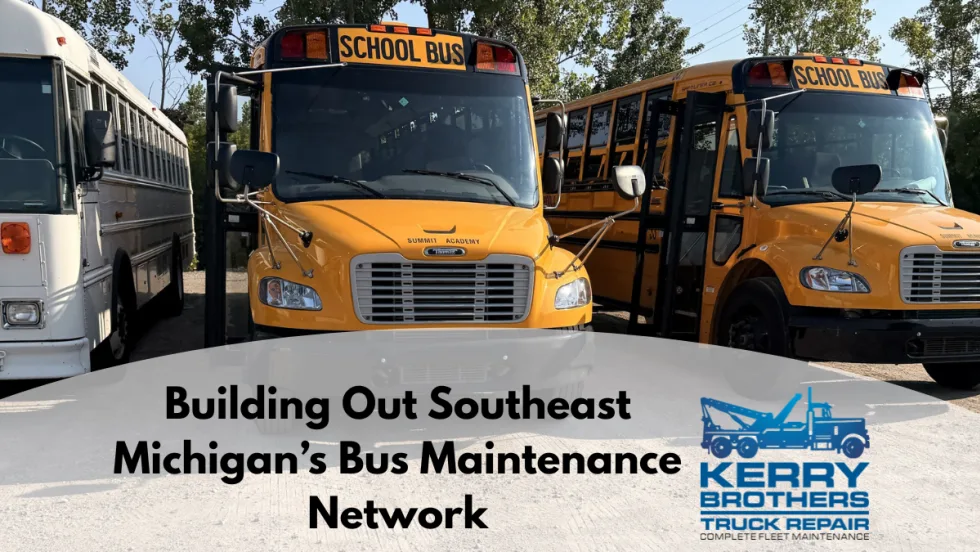
Kerry Brothers Grows Michigan School Bus Repair Network
The acquisition of Downriver Truck and Bus expands Kerry Brothers’ school bus maintenance footprint across southeast Michigan, adding repair capacity, diagnostic resources, and state inspection support.
Read More →
Noregon Introduces CAN Bus Diagnostic Tool, Expands JPRO Features
CAN Mentor and the latest JPRO update aim to simplify vehicle network diagnostics and improve repair efficiency for technicians of all experience levels.
Read More →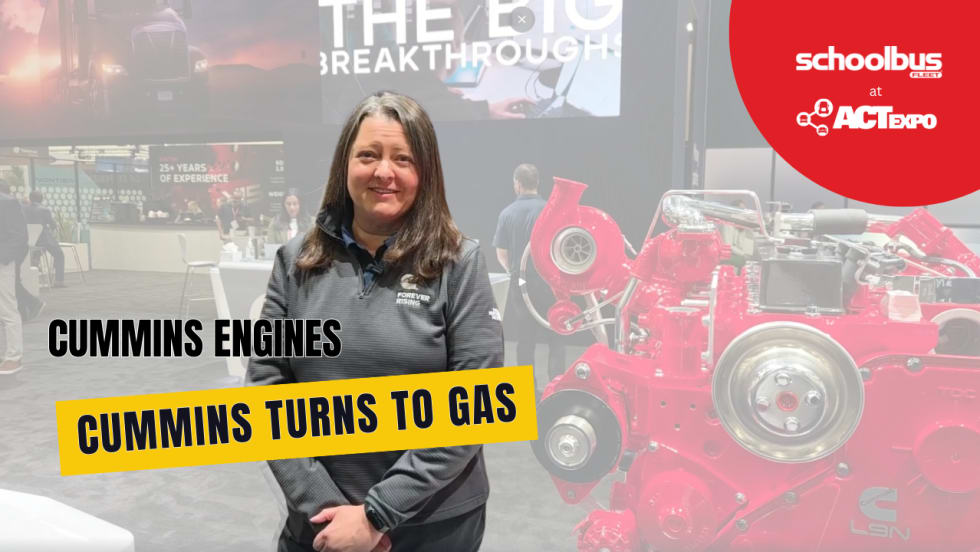
Cummins on Smarter, Simpler Engine Innovation
Cummins discusses its first-ever gasoline engine for school buses, EPA 2027, and why bus fleets still want durable, simpler internal combustion options.
Read More →
Report: 72% of Diesel School Buses Now Use Advanced Low-Emission Engines
New data shows advanced low-emission diesel technology continues expanding across school bus fleets, even as electric bus adoption gains momentum.
Read More →
Vampire Tools' CAIMAN 7.5-Inch Multi-Purpose Screw Extractor Long-Nose Pliers with Crimper
Vampire Tools introduced the VAMPLIERS Caiman 7.5-inch multi-purpose pliers, combining screw extraction, cutting, crimping, and gripping functions into a single tool designed for fleet maintenance professionals.
Read More →
How Advanced Diagnostics Helps Bus Fleets Stay Ahead of Repairs
Chat with Noregon’s Kevin Smallhorn at ACT Expo about bus diagnostic tools, telematics integration, CNG maintenance support, and strategies to help reduce downtime and improve uptime.
Read More →
How School Bus Fleets are Getting Ahead of Breakdowns
Don’t let bus downtime wear you down. Here’s how bus operators are shifting from manual processes to AI-powered, data-driven maintenance systems for improved reliability and safety.
Read More →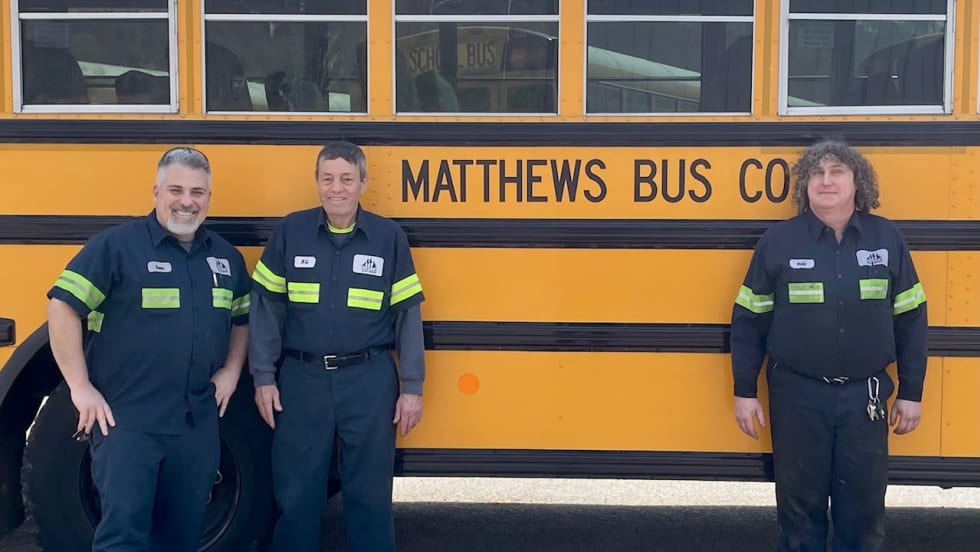
Pennsylvania School Bus Maintenance Team Praised for Dedication to Safety
Matthews Bus Company’s West Jefferson received a letter of commendation from the Pennsylvania State Police for their fleet inspections.
Read More →
Sponsored•April 16, 2026
From Chaos to Clarity: How School Districts Are Running Leaner Transportation Operations
Covering 38 routes on a Friday afternoon. Buses idling while routes overlap. Parents calling nonstop about late arrivals. Sound familiar? This whitepaper explores how district transportation leaders solved these exact problems — and what measurable results followed.
Read More →