




Duke Energy Proposes $76M Program for Electric Vehicles
The electric power holding company's proposal to the North Carolina Utilities Commission would help fund the adoption of electric school buses and electric public transportation, and would lead to almost 2,500 new charging stations across the state.

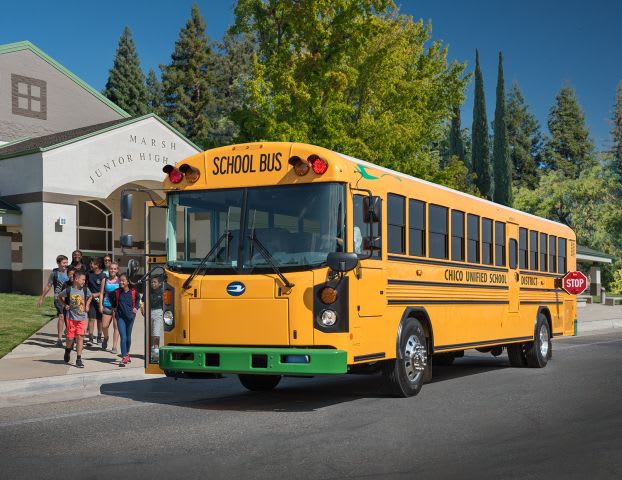
Duke Energy is proposing a $76 million initiative to spur electric vehicle adoption across North Carolina. Shown here is a Blue Bird Type D Electric School Bus.
Duke Energy is proposing a $76 million initiative to spur electric vehicle adoption across North Carolina. Shown here is a Blue Bird Type D Electric School Bus.
CHARLOTTE, N.C. — Duke Energy is proposing a $76 million initiative to spur electric vehicle (EV) adoption across North Carolina, marking what the electric power holding company says is the largest investment in EV infrastructure.
In a filing with the North Carolina Utilities Commission (NCUC), Duke Energy outlined its three-year electric transportation program that would help fund the operation of electric school buses and electric public transportation, and would lead to almost 2,500 new charging stations in the state, according to a news release from the company.
“North Carolina deserves a cleaner and smarter energy future, and supporting the use of electric transportation is a Duke Energy priority that will benefit our communities, customers, and our state’s future,” said Lang Reynolds, Duke Energy’s director of electrification strategy. “This initiative will help accelerate public and private EV use while also reducing carbon emissions.”
Currently, North Carolina has more than 10,000 plug-in hybrid and all-electric vehicles, and approximately 600 public charging stations, according to Duke Energy, and the new program would more than double that amount.
The proposed initiative, which requires NCUC approval, includes:
• EV School Bus Charging Stations: Duke Energy will provide financial support to eligible customers to procure up to 85 electric school buses. Duke Energy will install the associated charging infrastructure.
• Residential EV Charging: This program will provide a $1,000 rebate for qualifying Level II charging stations for up to 800 residential customers. Level II charging allows customers to charge their EVs up to six times faster than a standard wall outlet, according to the company.
• Public Charging: Duke Energy will install and operate more than 800 public charging stations across North Carolina, including DC Fast Charging, Public Level II and multifamily locations.
• Fleet EV Charging: The program will provide a $2,500 rebate for 900 qualifying charging stations for commercial and industrial customers who operate fleets that are transitioning to electric and plug-in hybrid vehicles. Municipalities and universities also qualify for these rebates.
• EV Transit Bus Charging Stations: Duke Energy will install and operate more than 100 electric transit bus charging stations for eligible transit agencies opting to procure electric buses. Electric transit buses eliminate diesel emissions and reduce fuel and maintenance costs for transit agencies, according to the company.
To read Duke Energy’s filing with the NCUC, go here.
More Alternative Fuels

CALSTART and Forth Combine to Form Catalyst Mobility
The new name represents a renewed vision for the nonprofit focused on advancing clean, equitable, and affordable transportation solutions that move people and goods.
Read More →
Alt-Fuel Moves: New Buses, Charging Hubs & Real-World EV Testing
Propane and electric school bus deployments continue to grow as districts add new vehicles, expand charging infrastructure, and gather more real-world operating data.
Read More →
Fewer Electric School Bus Models Reshape the U.S. Market
WRI’s latest buyer’s guide points to a consolidating electric school bus market, but fewer options may reflect a maturing industry rather than fewer meaningful choices for school bus operators.
Read More →
The Fuel Budget You Can Actually Predict: How Propane Autogas Keeps Money in the Classroom
Learn how propane autogas helps school districts manage fuel costs with predictable pricing, lower maintenance, and reduced emissions from former transportation director Joel Stutheit.
Read More →
Hendrickson, Driventic Introduce New Electric Powertrain for School Buses
ELECTRAAX, the electrified, lightweight drive axle offers integrated ePowertrain efficiency and modular flexibility for Class 6–7 school bus use.
Read More →
The Mobility House Joins PowerFlex in Fleet Electrification Deal
The acquisition combines intelligent charging software, bidirectional charging expertise, and fleet electrification services to support the growing adoption of electric school buses across North America.
Read More →
Alt-Fuel Moves: Electric School Bus Investments Hit the Road
See which districts across the U.S. are putting electric school buses into service, expanding charging infrastructure, and planning the next phase of fleet electrification.
Read More →
With Fuel Volatility Ahead, School Districts Turn to Propane
While diesel prices peaked above $5 this spring, districts with propane autogas-powered fleets paid under $2 per gallon, according to PERC.
Read More →
EPA Unveils Proposed Changes to 2027 Heavy-Duty Engine Rules
The federal agency has proposed changes to next year’s targets that would eliminate DEF derates, ease warranty requirements, and retain current NOx emissions standards.
Read More →
Alt-Fuel Moves: EV Charging & Infrastructure Projects Gain Momentum
The latest developments include new funding, charging infrastructure, utility investments, and fleet technologies designed to support the transition to electric school buses nationwide.
Read More →