





Related: South Carolina Tabs VW Funds for New Propane School Buses
Connecticut Approves $1.7M in VW Funds for New School Buses
The state’s second round of Volkswagen settlement funding will be used to support a total of 15 clean air projects that will reportedly reduce almost 68 tons of nitrogen oxide emissions.
December 3, 2019
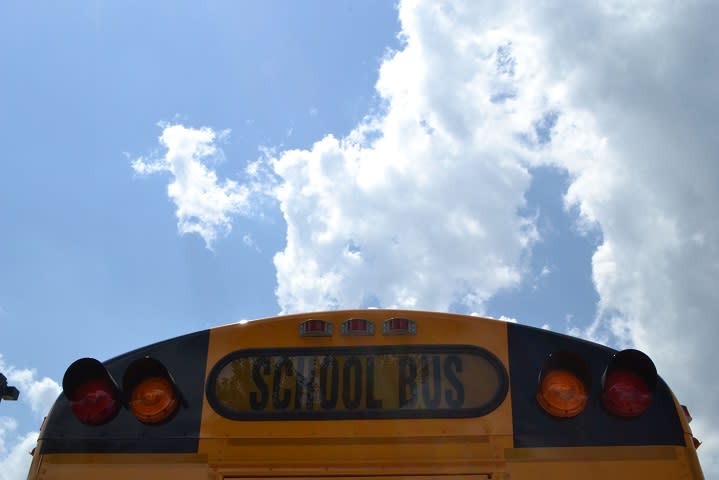
Connecticut's second round of Volkswagen settlement funding will be used to support a total of 15 clean air projects that will reportedly reduce almost 68 tons of nitrogen oxide emissions. File photo
3 min to read
Connecticut's second round of Volkswagen settlement funding will be used to support a total of 15 clean air projects that will reportedly reduce almost 68 tons of nitrogen oxide emissions. File photo
HARTFORD, Conn. — Connecticut has announced that it will allocate $6.2 million of its Volkswagen (VW) settlement funds to support a total of 15 clean air projects in the state, including $1.7 million for three projects for school buses.
Gov. Ned Lamont announced the second round of VW settlement funds, administered through the state’s Department of Energy and Environmental Protection (DEEP), last week, according to a news release from Lamont’s office. The funding is part of the state’s $55.7 million share of VW funding that is expected to be distributed over a 10-year period.
“Climate change is not a future problem; it’s real, it’s now, and it cannot be ignored. It is imperative that we make every effort to reduce emissions,” Lamont said. “The projects we are supporting through the VW settlement funds will go a long way in helping to improve air quality and protect public health in Connecticut, while also providing economic development opportunities.”
Earlier this year, DEEP received 29 applications from both non-government and government entities for the state’s second round of VW grants. Projects were ranked by a variety of criteria, including air pollution reduction, cost effectiveness, positive impact on environmental justice communities, transformative and innovative impact, and applicant cost sharing, according to Lamont’s office. The totaled $6.2 million in funding will be balanced by additional investments of $10.4 million from the award recipients. (View the full list of VW grant recipients here.)
According to Katie Dykes, DEEP commissioner, Connecticut’s transportation sector is responsible for approximately 70% of smog forming pollution and 38% of greenhouse gas (GHG) emissions in the state. She also said that all of the clean air projects announced for the second round of funding will help the state realize both short-term nitrogen oxide (NOx) reductions and longer-term GHG emission reductions.
Gov. Lamont’s office reports that the 15 projects selected for this VW funding cycle, over their lifetime, will reduce almost 68 tons of NOx emissions and almost 5,100 tons of carbon dioxide, a GHG.
For the next round of VW settlement funds, DEEP’s approach will focus on electrification and be informed by both the Electric Vehicle Roadmap for Connecticut and the Public Utility Regulatory Authority's (PURA) Zero Emission Vehicles Docket, as well as subsequent stakeholder feedback prior to issuing the next solicitation for clean air projects. Additionally, the next funding round will seek proposals within the category of Electric Vehicle Supply Equipment, for which DEEP reserved 15% of all VW funding —the maximum allowed under the program.
The three clean air projects for pupil transportation, announced as part of DEEP's second round of VW funding, are listed below:
Student Transportation of America's location in Naugatuck will be awarded a total of $912,070 to replace 18 aging school buses with diesel-powered models.
First Student’s locations in Watertown, Ridgefield, Hamden, Weston, and Fairfield will replace 12 school buses model years 2006-2007 with diesel buses, totaling $668,398.
DATTCO in Middletown will be awarded a total of $122,689 to replace one diesel-powered school bus with an electric model.
More Alternative Fuels

CALSTART and Forth Combine to Form Catalyst Mobility
The new name represents a renewed vision for the nonprofit focused on advancing clean, equitable, and affordable transportation solutions that move people and goods.
Read More →
Alt-Fuel Moves: New Buses, Charging Hubs & Real-World EV Testing
Propane and electric school bus deployments continue to grow as districts add new vehicles, expand charging infrastructure, and gather more real-world operating data.
Read More →
Fewer Electric School Bus Models Reshape the U.S. Market
WRI’s latest buyer’s guide points to a consolidating electric school bus market, but fewer options may reflect a maturing industry rather than fewer meaningful choices for school bus operators.
Read More →
The Fuel Budget You Can Actually Predict: How Propane Autogas Keeps Money in the Classroom
Learn how propane autogas helps school districts manage fuel costs with predictable pricing, lower maintenance, and reduced emissions from former transportation director Joel Stutheit.
Read More →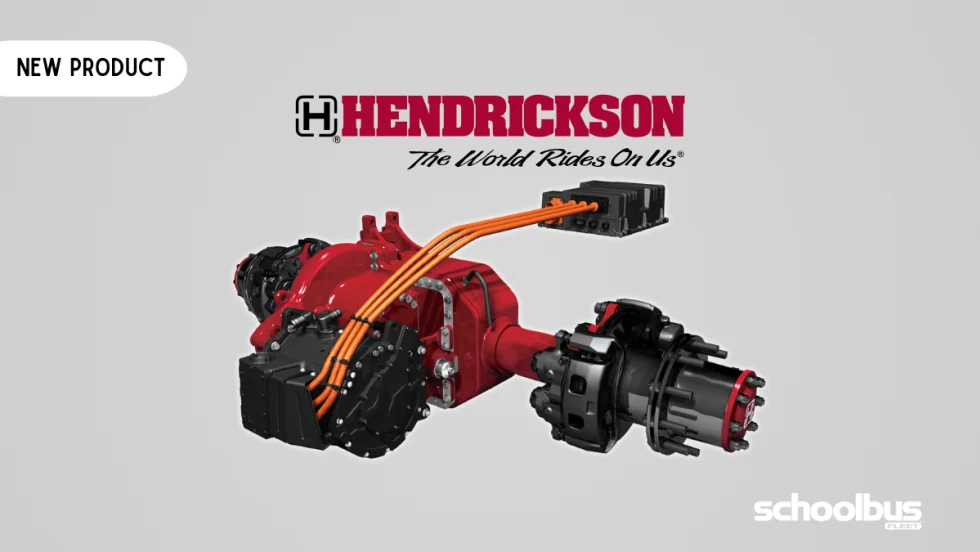
Hendrickson, Driventic Introduce New Electric Powertrain for School Buses
ELECTRAAX, the electrified, lightweight drive axle offers integrated ePowertrain efficiency and modular flexibility for Class 6–7 school bus use.
Read More →
The Mobility House Joins PowerFlex in Fleet Electrification Deal
The acquisition combines intelligent charging software, bidirectional charging expertise, and fleet electrification services to support the growing adoption of electric school buses across North America.
Read More →
Alt-Fuel Moves: Electric School Bus Investments Hit the Road
See which districts across the U.S. are putting electric school buses into service, expanding charging infrastructure, and planning the next phase of fleet electrification.
Read More →
With Fuel Volatility Ahead, School Districts Turn to Propane
While diesel prices peaked above $5 this spring, districts with propane autogas-powered fleets paid under $2 per gallon, according to PERC.
Read More →
EPA Unveils Proposed Changes to 2027 Heavy-Duty Engine Rules
The federal agency has proposed changes to next year’s targets that would eliminate DEF derates, ease warranty requirements, and retain current NOx emissions standards.
Read More →
Alt-Fuel Moves: EV Charging & Infrastructure Projects Gain Momentum
The latest developments include new funding, charging infrastructure, utility investments, and fleet technologies designed to support the transition to electric school buses nationwide.
Read More →