




Zen and the art of driving
Here at SBF, we’ve been blogging quite a bit about road safety and safe driving, a particularly good topic in light of the school year ramping up. Bus drivers face the prospect of encountering not-so-friendly fellow motorists on our nation’s roads . . .

Here at SBF, we’ve been blogging quite a bit about road safety and safe driving, a particularly good topic in light of the school year ramping up. School bus drivers once again face the prospect of encountering not-so-friendly fellow motorists on our nation’s roads, and defensive driving for them takes on a greater meaning, considering their passengers.
In the forthcoming September issue, you'll find an article I wrote called “Defensive Driving Principles and How to Teach Them.” In it, I included advice and expertise from Spencer McDonald, president of Thinking Driver, a training company headquartered in Surrey, British Columbia.
I’d heard him speak at last year’s NAPT Summit, and remembered what an interesting approach he takes to driver training. His method incorporates the need for drivers to analyze their state of mind and how it may be influencing their driving behavior.
I addressed this topic in the article, but wanted to share a few outtakes from our conversation that didn’t make it into the story. First, a look at how common it is to take driving risks:
In classes I ask, ‘Has anybody here done something that is so stupid and dangerous [on the road] that they’re never going to admit it to anybody?’ Usually half the room holds their hands up. If you’re like most people, you won’t admit it to anybody because you’re so embarrassed about having done it. And it was either as a result of some strong emotional state — typically, anger, frustration or some distraction due to upset of some kind.
What we need to understand is, how did we get to that point of making that silly decision? At the time it seemed to make sense or I justified it or I stopped caring about whether it was dangerous or not. Then in retrospect, you think, 'How could I ever have done that?'
Next, why do some drivers behave so aggressively and how can road rage be addressed?
The road rage people are obviously behaving in an inappropriate, and in many cases, illegal and dangerous, unlawful manner. But if you can sit down and you can talk to them and ask them why they do that, they’ll tell you it’s not their fault. If everybody else would stop provoking them, they wouldn’t drive that way. That is exactly the same argument that a battering husband would make when he’s questioned about why he beats his wife. 'If she would just stop provoking me, I’d stop hitting her.' It’s the denial of personal responsibility that we’re targeting.
If we can open that little window of understanding in your average person’s mind that says, ‘Listen, when you get frustrated in traffic at what’s going on around you, it’s not that person’s fault, it’s your interpretation and your decision to deny your own personal responsibility to manage and take responsibility of your own actions.’ And that’s where we get huge changes occurring. We have really good response from the drivers who take our program.
We’re talking about psychology here and so it’s not a matter of learning a specific skill set, it’s about learning about ourselves to some extent. We have drivers coming back frequently and telling us that the attitudinal part of our course, they said, ‘That’s not even really about driving, is it?’ And it’s true, it’s not about driving, it’s about human nature and it’s about personal self-management and in some ways, personal growth.
Sounds a little touchy-feely, but I think his argument holds water. Defensive driving is about managing the vehicle and its relationship to vehicles around you, which — it could be said — is directly tied to management of your own mindset and driving behavior.
After talking to Spencer, and to Jim Smith from Smith System, I couldn’t help but feel inspired to drive more defensively in my own car. Not only did I find myself braking and accelerating in a more measured, careful way, but I was increasing my following distance and constantly monitoring drivers around me. Plus, when people cut me off, tailgate or speed on the highway, I make a concerted effort to control my emotions and not let their bad driving behavior influence me.
Spencer also recommended a refreshed mindset for school bus drivers:
Because school buses often stop to provide good loading/unloading areas, they’ll stop right in the lane. If you’re in one of the cars that’s behind the bus, you know you’re going to be stopped there for a long time — it can be frustrating. So the recommendation for drivers is to change your thinking and recognize that following the school bus for a while isn’t going to ruin the rest of your life, so why are you putting so much energy into worrying about it?
For the driver of the school bus though, what helps them is to have a little bit of empathy for the drivers around them and recognize that these people are going to be frustrated. So what can they do to minimize that frustration? How can they adjust their driving, if they’re able to, to accommodate the fact that the people behind them really want to get past? Are they driving with an attitude of importance in the sense of, ‘I’m the school bus driver, I have the most important cargo, so you better just deal with it’? That, in itself, is an aggressive stance.
Anyone out there teaching drivers to have empathy for the frustrated motorists around them? It's an interesting approach, but I'm starting to see the light on this one. If more drivers took an empathetic stance toward sharing the road, would it reduce road rage and frequency of accidents?
In your driver training sessions this year, I would really encourage the incorporation of this psychological component of defensive driving. Not only should the technical driving skills be addressed, but I believe trainers should talk about the emotional side of driving too. It’s amazing when you start paying attention to it, how often you find yourself “driving angry” or retaliating against other motorists for their rude or dangerous driving.
Thanks,
Claire
More Blog Posts

The Sound of Summer Starting [Guest Editorial]
That unmistakable school bus rumble? It carries childhood memories, community routines, and a whole lot of unseen work behind the scenes.
Read More →
The Technology Power Combo That Enables EV Charging on Difficult Sites
As the pace of fleet electrification increases and charging infrastructure continues to pose challenges, many fleets find themselves puzzling over the question: how do I install charging infrastructure faster and more cost-efficiently?
Read More →
Trip Sheet: Farewell, Faithful Readers – Keep on Rolling
Executive Editor Wes Platt offers parting thoughts as he parks the School Bus Fleet bus to focus on ultra-local community journalism, making way for someone else to take the wheel as the pupil transportation industry continues to evolve.
Read More →
Trip Sheet: School Transportation Pros Can Champion Children's Mental Health
Children's Mental Health Awareness Day underscores the significance of school bus drivers in fostering supportive environments during students' journeys. SAMHSA's initiatives, including stigma reduction and access to resources, complement the Biden-Harris administration's funding efforts to enhance youth mental health services and workforce development.
Read More →
Trip Sheet: Is It Time for Daylight Saving Time to Clock Out?
How do you think the potential shift to permanent Daylight Saving Time or standard time would impact our daily lives and routines, especially considering the divided approach across various states?
Read More →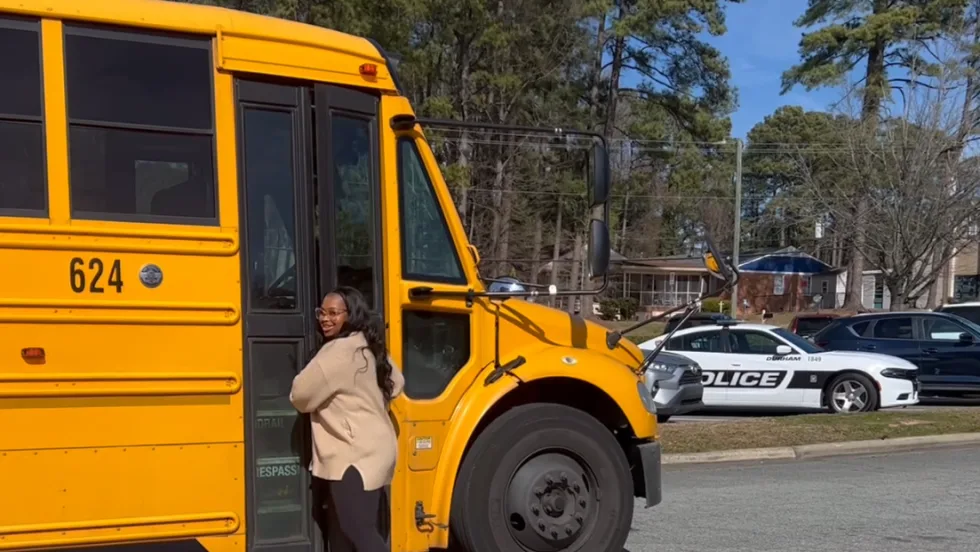
Trip Sheet: Meeting a Hero in My Own Back Yard
I remain impressed by the matter-of-fact heroism that’s often demonstrated by school bus drivers like Deona Washington who are caught in these situations where the best of us might lose our cool and panic. But, then again, bus drivers are a unique breed.
Read More →
Trip Sheet: 3 Takeaways from the EPA Clean School Bus Grant Program
Most applicants sought grant funding to acquire electric school buses, with propane coming in a distant second. No one indicated plans to purchase compressed natural gas (CNG) buses in this round. That’s not terribly surprising, I suppose, given how few school districts listed the inclusion of CNG buses in their fleets for our 2023 top district fleets survey.
Read More →
Trip Sheet: Let's Get Rolling: What's Coming in 2024?
Calendar pages keep flipping toward the mandates set in states like New York and California to transition their school bus fleets from diesel to zero-emission, but there’s plenty of reluctance and pushback.
Read More →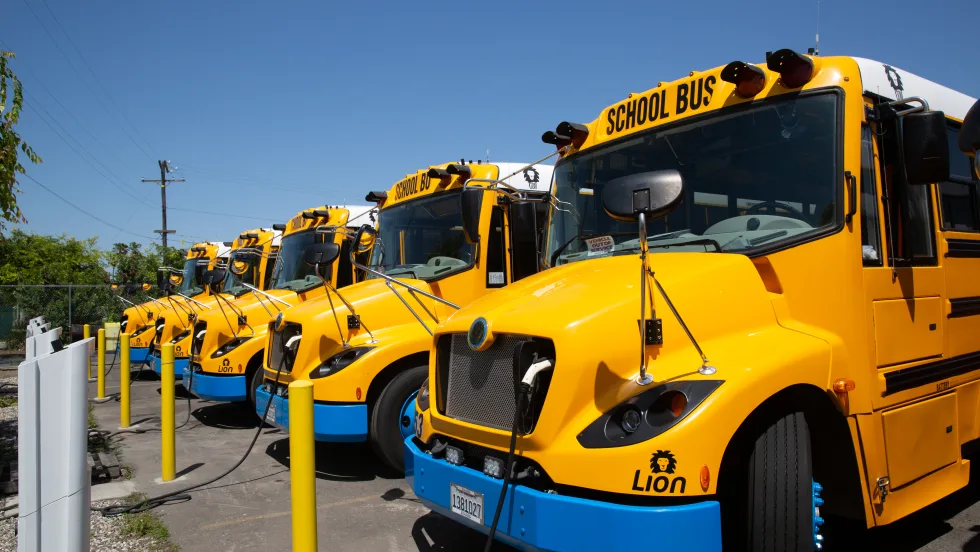
California School Children Ride in Green School Buses
Today, California prides itself on utilizing the most zero-emission (ZE) school buses in the country with over 1,689 being used by California school districts; and while the state is on a positive health trajectory thanks to a decree to eliminate gas and diesel vehicles, more work needs to be done to improve children’s well-being.
Read More →
Behind The Wheel of Childrens’ Safety Aboard the School Bus
Bus drivers are the primary caretakers of children during their commute and thus bear responsibility for their safety. By prioritizing proper operating procedures, maintenance checks, and additional precautions, drivers can help avoid the loss of precious young lives under their care.
Read More →