




Why Student GPS Tracking Is in Demand
As statistics show, school buses are the safest way for children to get to school. But for parents, knowing that their kids are on the right bus is just as important.
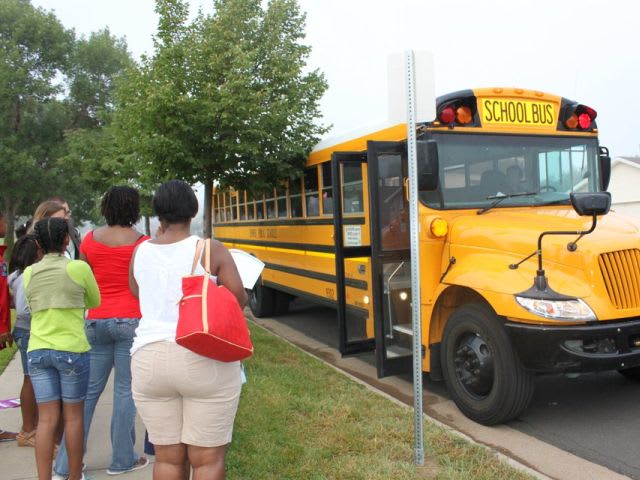
As statistics show, school buses are the safety way for children to get to school. But for parents, knowing that their kids are on the right bus is just as important.
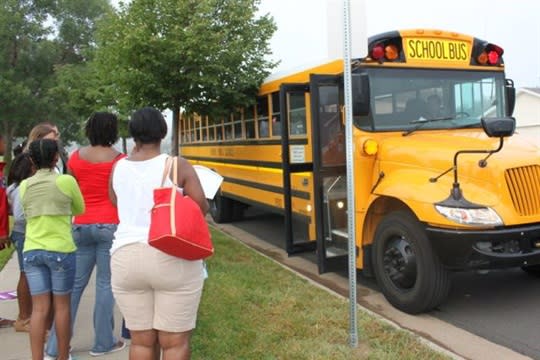
As statistics show, school buses are the safety way for children to get to school. But for parents, knowing that their kids are on the right bus is just as important.
The world of K-12 transportation has become far more complex in recent decades. A student’s transportation schedule, pickup, and drop-off locations are far less predictable today than they were 20 years ago.
For example, the 2010 census shows a 20% decrease in two-parent homes from 1995 to 2010. The notion of family has grown to include multi-home living, co-parenting, after-school care, special-needs programs, and much more.
What hasn’t changed, though, is the parental impulse to know where their kids are. And technology has evolved to accommodate their needs.
GPS student tracking — what parents are already doing
The technology to track students has been around for about 10 years and is probably sitting on your desk right now: your smartphone.
Nowadays, many parents give their children cell phones or smartphones. Using built-in apps that take advantage of GPS location services, parents can “check in” on their kids whenever they wish.
In terms of student tracking, these are merely “workaround” solutions. They lack the ability to know if a student is on the right bus at the right time and is getting off at the right stop. As well, parents can’t travel back in time to witness a previous day’s events. If an incident has occurred in the past, parents have no access to a recorded version of their child’s bus trip.
Integration with K-12 transportation software
As this National Highway Traffic Safety Administration infographic shows, school buses are the safest way for children to get to and from school — safer even than being driven in the family vehicle. But for parents, knowing for sure that their kids are on the right bus is just as important. This also applies to staff, teachers, administration — in fact, anyone charged with the responsibility of being able to answer a parent’s inquiry when it comes to their children.
By simply scanning a unique RFID card, each student can be monitored getting on the bus at their stop. And because the GPS student tracking information is integrated with K-12 transportation software, all the events are recorded. This means that every traveled route, speed of the bus, precise location of the bus at any time, and planned stop can be played back to see a true depiction of the actual events.
Not just students, but schedules
The benefit of having GPS data integration with K-12 transportation software is that you are also tracking the buses as well. This means that you can take student safety to the next level.
How important is knowing for sure that your planned schedules are being carried out? Are the safety measures you’ve built into each unique student’s schedule being followed? GPS bus tracking with integrated scheduling software will be able to tell you.
While this type of technology may be commonplace in 20 years, it’s considered cutting-edge today. School districts (for example, Volusia County Schools) are steadily taking the leap into future-proofing their operations.
But it’s not just about technology planning. As student schedules, living arrangements, and after-school activities increase in complexity, technology will be necessary to keep everything running safely.
Waylen Miki is a prolific writer within the community transportation software industry. As a content specialist with TripSpark Technologies, he has specific expertise in the area of K-12 transportation software solutions.
More Blog Posts
The Sound of Summer Starting [Guest Editorial]
That unmistakable school bus rumble? It carries childhood memories, community routines, and a whole lot of unseen work behind the scenes.
Read More →
The Technology Power Combo That Enables EV Charging on Difficult Sites
As the pace of fleet electrification increases and charging infrastructure continues to pose challenges, many fleets find themselves puzzling over the question: how do I install charging infrastructure faster and more cost-efficiently?
Read More →
Trip Sheet: Farewell, Faithful Readers – Keep on Rolling
Executive Editor Wes Platt offers parting thoughts as he parks the School Bus Fleet bus to focus on ultra-local community journalism, making way for someone else to take the wheel as the pupil transportation industry continues to evolve.
Read More →
Trip Sheet: School Transportation Pros Can Champion Children's Mental Health
Children's Mental Health Awareness Day underscores the significance of school bus drivers in fostering supportive environments during students' journeys. SAMHSA's initiatives, including stigma reduction and access to resources, complement the Biden-Harris administration's funding efforts to enhance youth mental health services and workforce development.
Read More →
Trip Sheet: Is It Time for Daylight Saving Time to Clock Out?
How do you think the potential shift to permanent Daylight Saving Time or standard time would impact our daily lives and routines, especially considering the divided approach across various states?
Read More →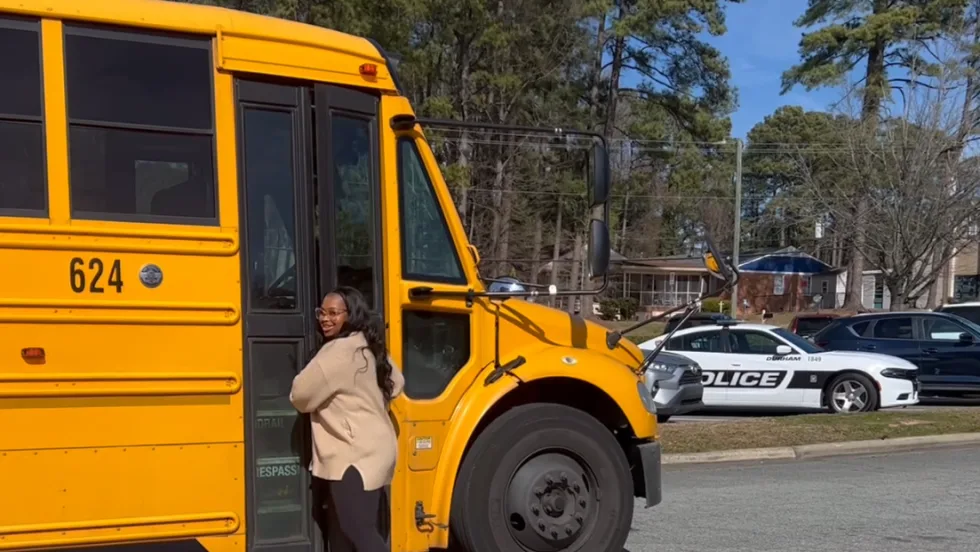
Trip Sheet: Meeting a Hero in My Own Back Yard
I remain impressed by the matter-of-fact heroism that’s often demonstrated by school bus drivers like Deona Washington who are caught in these situations where the best of us might lose our cool and panic. But, then again, bus drivers are a unique breed.
Read More →
Trip Sheet: 3 Takeaways from the EPA Clean School Bus Grant Program
Most applicants sought grant funding to acquire electric school buses, with propane coming in a distant second. No one indicated plans to purchase compressed natural gas (CNG) buses in this round. That’s not terribly surprising, I suppose, given how few school districts listed the inclusion of CNG buses in their fleets for our 2023 top district fleets survey.
Read More →
Trip Sheet: Let's Get Rolling: What's Coming in 2024?
Calendar pages keep flipping toward the mandates set in states like New York and California to transition their school bus fleets from diesel to zero-emission, but there’s plenty of reluctance and pushback.
Read More →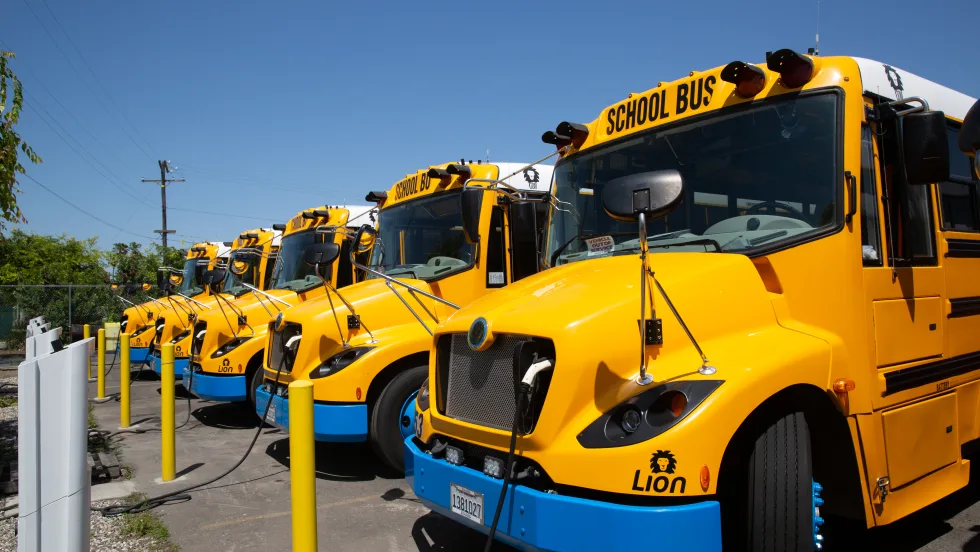
California School Children Ride in Green School Buses
Today, California prides itself on utilizing the most zero-emission (ZE) school buses in the country with over 1,689 being used by California school districts; and while the state is on a positive health trajectory thanks to a decree to eliminate gas and diesel vehicles, more work needs to be done to improve children’s well-being.
Read More →
Behind The Wheel of Childrens’ Safety Aboard the School Bus
Bus drivers are the primary caretakers of children during their commute and thus bear responsibility for their safety. By prioritizing proper operating procedures, maintenance checks, and additional precautions, drivers can help avoid the loss of precious young lives under their care.
Read More →