




Solve The Right Problems in the Bus Driver Shortage Crisis
Legislators kept wages stable, with the unintended consequence that, as we struggle to emerge from a pandemic, bus drivers find themselves weighing their commitment to serving school districts against better pay and benefits working for other transportation outfits, such as Amazon.

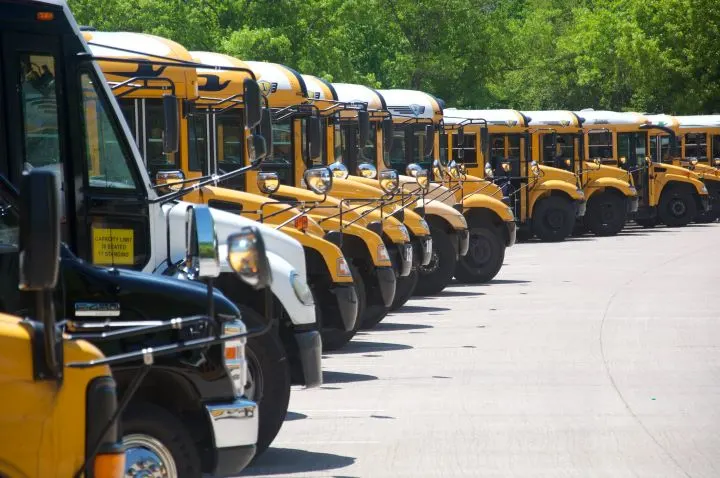
Photo by Dan Dennis via Unsplash
In north Florida recently, a school bus driver with 26 students aboard swerved to avoid hitting a cat crossing the road and struck a mailbox.
No one was hurt, luckily. It could’ve been much worse.
Choices made at critical moments can always lead to unintended consequences – some more disastrous than others. Anticipation of potential consequences may explain why U.S. Rep. Joseph Morelle (D-N.Y.) got such pushback to his letter urging the federal government to temporarily waive the commercial driver’s license requirement for school bus drivers to accelerate the hiring process during the staffing shortage.
“Just shows how respected those of us who meet the licensing, medical training, and certification requirements are in the eyes of some politicians,” wrote Ray Carter in a comment on our School BusFleet Facebook page.
“While I understand the severe dilemma the school bus industry has been enduring for some time with qualified driver shortages, is it really the solution for saying we truly care about our most precious cargo by accepting those who don’t truly meet the safety standards we all purport to provide?” asked Keith Story on the Facebook page.
I discussed this news item in the first episode of The Route, our new SBF content series, and I understand the concerns raised by drivers and administrators. I don’t think Morelle intended to put untrained drivers into those seats. That would be ludicrous and, obviously, would put far too many children in danger. Like the National Guard officers called in to help in Massachusetts, drivers without CDLs would still have to go through safety training. However, long term, Morelle’s goal seems to be simplifying the CDL process with a “school bus only” version that excises material more applicable to long-haul trucking. But licensing is just one hurdle that stands between those drivers who are passionate about serving students and the front seats of their buses.
The bigger challenge, as most drivers will tell you, is a need for competitive pay. As Kyle Post wrote on our Facebook page, “We really will do everything EXCEPT the obvious…raise pay. No one wants to go through the testing process to obtain a commercial license and operate a commercial vehicle with 60+ kids a day in and out. Bus drivers transport ‘America’s most valuable cargo’, yet they get paid less than the mailman.”
In the second episode of The Route, I had the chance to talk with Stephen Owens, a senior analyst at the nonpartisan Georgia Budget and Policy Institute about wages for bus drivers. Based on his data, Owens said that state funding for school bus drivers has been largely stagnant for more than 20 years, while insurance costs go up, fuel prices rise, and the cost of living gets no cheaper.
Legislators kept wages stable, with the unintended consequence that, as we struggle to emerge from a pandemic, bus drivers find themselves weighing their commitment to serving school districts against better pay and benefits working for other transportation outfits, such as Amazon. Why risk illness and aggravation trying to make ends meet on a school route when it might be more reliable to deliver packages or meals?
As Owens sees it, this is an economic problem with an economic solution: pay school bus drivers what they’re worth.
My plan is to release episodes of The Route every couple of weeks. Some will recap recent news headlines, but more and more, I want to focus on people in the industry and share their stories with viewers and listeners. Subscribe to the School Bus Fleet YouTube channel so you never miss an episode. If you’d like to be a guest on the podcast, reach out to wes.platt@bobit.com.
More Blog Posts
The Sound of Summer Starting [Guest Editorial]
That unmistakable school bus rumble? It carries childhood memories, community routines, and a whole lot of unseen work behind the scenes.
Read More →
The Technology Power Combo That Enables EV Charging on Difficult Sites
As the pace of fleet electrification increases and charging infrastructure continues to pose challenges, many fleets find themselves puzzling over the question: how do I install charging infrastructure faster and more cost-efficiently?
Read More →
Trip Sheet: Farewell, Faithful Readers – Keep on Rolling
Executive Editor Wes Platt offers parting thoughts as he parks the School Bus Fleet bus to focus on ultra-local community journalism, making way for someone else to take the wheel as the pupil transportation industry continues to evolve.
Read More →
Trip Sheet: School Transportation Pros Can Champion Children's Mental Health
Children's Mental Health Awareness Day underscores the significance of school bus drivers in fostering supportive environments during students' journeys. SAMHSA's initiatives, including stigma reduction and access to resources, complement the Biden-Harris administration's funding efforts to enhance youth mental health services and workforce development.
Read More →
Trip Sheet: Is It Time for Daylight Saving Time to Clock Out?
How do you think the potential shift to permanent Daylight Saving Time or standard time would impact our daily lives and routines, especially considering the divided approach across various states?
Read More →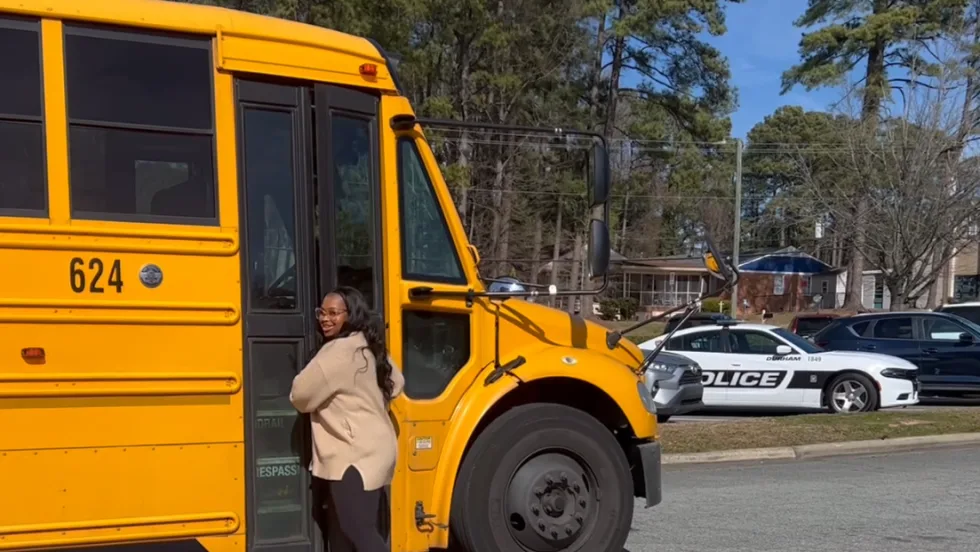
Trip Sheet: Meeting a Hero in My Own Back Yard
I remain impressed by the matter-of-fact heroism that’s often demonstrated by school bus drivers like Deona Washington who are caught in these situations where the best of us might lose our cool and panic. But, then again, bus drivers are a unique breed.
Read More →
Trip Sheet: 3 Takeaways from the EPA Clean School Bus Grant Program
Most applicants sought grant funding to acquire electric school buses, with propane coming in a distant second. No one indicated plans to purchase compressed natural gas (CNG) buses in this round. That’s not terribly surprising, I suppose, given how few school districts listed the inclusion of CNG buses in their fleets for our 2023 top district fleets survey.
Read More →
Trip Sheet: Let's Get Rolling: What's Coming in 2024?
Calendar pages keep flipping toward the mandates set in states like New York and California to transition their school bus fleets from diesel to zero-emission, but there’s plenty of reluctance and pushback.
Read More →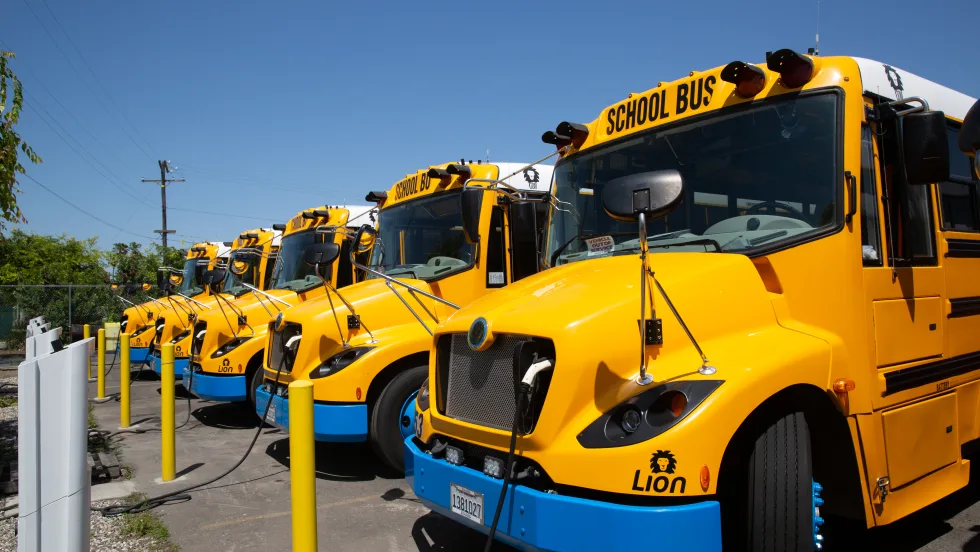
California School Children Ride in Green School Buses
Today, California prides itself on utilizing the most zero-emission (ZE) school buses in the country with over 1,689 being used by California school districts; and while the state is on a positive health trajectory thanks to a decree to eliminate gas and diesel vehicles, more work needs to be done to improve children’s well-being.
Read More →
Behind The Wheel of Childrens’ Safety Aboard the School Bus
Bus drivers are the primary caretakers of children during their commute and thus bear responsibility for their safety. By prioritizing proper operating procedures, maintenance checks, and additional precautions, drivers can help avoid the loss of precious young lives under their care.
Read More →