




School Transportation Veteran to Newspaper: Bus Driver Pay a Factor in Shortage
Michigan transportation consultant Kim Hooper responds to an article in a local newspaper on bus driver shortage to note that pay is a critical factor.

File photo courtesy Hanover County Public Schools
File photo courtesy Hanover County Public Schools
As pupil transporters across the U.S. contend with bus driver shortage, Michigan school districts are no exception.
This was outlined in detail in an article published recently in a Michigan newspaper. The article stated that the bus driver shortage is so severe in one county that it may soon “threaten students’ guaranteed transportation to and from school.”
It is acknowledged in the article that some factors causing the shortage include a low unemployment rate, multiple certification and training requirements, and the stress of the job.
In response, Kim Hooper, a transportation consultant at Wayne Regional Educational Service Agency, who had been a transportation director in an adjacent county, wrote to the newspaper to contribute another important item to that list: driver pay and benefits.
Below is Hooper's editorial in full as it was published in the Monroe Evening News in the “Community Currents” department on Feb. 17.
Much asked of school bus drivers for little pay
After being employed for 18 years as the transportation director at Monroe Public Schools and now as the transportation consultant for Wayne County Schools, I read with interest your story, "Michigan schools: Desperately seeking drivers."
When I started at Monroe Public Schools, drivers received a good hourly wage plus an excellent retirement and full hospitalization. If we had a snow day, drivers would be paid for a certain amount of these days. Now in many school districts they may be offered a 401K and may be offered hospitalization they can’t afford to pay into since they are living paycheck to paycheck.
Let’s speak about wages. The average hourly rate for a school bus driver is $16 an hour. What isn’t mentioned is most drivers do not work eight hours a day. Some work as few as four and a half hours a day. Two hours in the morning and then you must return to work in the afternoon.
Keep in mind most school bus drivers are offered only 180 days of work during the school year. The federal poverty level for a family of four is $25,000 and many school bus drivers will fall within this poverty level.
Now let’s talk about credentials and responsibility. A Michigan school bus driver needs a commercial driver’s license with a passenger and school bus endorsement. Their fingerprints need to be sent to the Michigan State Police for screening. They need to take a road test conducted by a Secretary of State examiner. Many times the drivers must pay for these fees out of pocket. Then they need a pre-employment physical and [to] attend a multi-day Michigan Department of Education (MDE) safety class. Every two years they need to recertify their physical and MDE training class.
Now the most critical part of the job: the responsibility. You have up to 70 children behind you while you are driving. You must make sure that they have a safe ride and you must look out for motorists who make it even harder when they pass the bus while children are crossing the street.
Some of the best people I have met are these men and women who have this highly responsible, low paid position. Why do they do it? They will tell you they love working with the children.
It has recently been reported that Michigan has some of the lowest funding levels for education in the nation. If you do not believe it, ask a teacher what he/she spends out of pocket or ask a school transportation director why people don’t apply.
This may be the tip of the iceberg for Michigan schools.
More Blog Posts
The Sound of Summer Starting [Guest Editorial]
That unmistakable school bus rumble? It carries childhood memories, community routines, and a whole lot of unseen work behind the scenes.
Read More →
The Technology Power Combo That Enables EV Charging on Difficult Sites
As the pace of fleet electrification increases and charging infrastructure continues to pose challenges, many fleets find themselves puzzling over the question: how do I install charging infrastructure faster and more cost-efficiently?
Read More →
Trip Sheet: Farewell, Faithful Readers – Keep on Rolling
Executive Editor Wes Platt offers parting thoughts as he parks the School Bus Fleet bus to focus on ultra-local community journalism, making way for someone else to take the wheel as the pupil transportation industry continues to evolve.
Read More →
Trip Sheet: School Transportation Pros Can Champion Children's Mental Health
Children's Mental Health Awareness Day underscores the significance of school bus drivers in fostering supportive environments during students' journeys. SAMHSA's initiatives, including stigma reduction and access to resources, complement the Biden-Harris administration's funding efforts to enhance youth mental health services and workforce development.
Read More →
Trip Sheet: Is It Time for Daylight Saving Time to Clock Out?
How do you think the potential shift to permanent Daylight Saving Time or standard time would impact our daily lives and routines, especially considering the divided approach across various states?
Read More →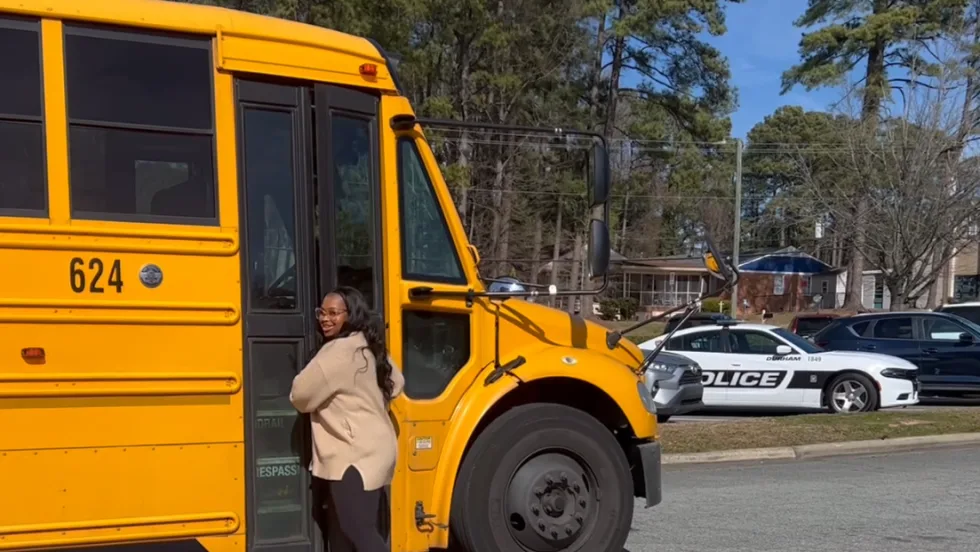
Trip Sheet: Meeting a Hero in My Own Back Yard
I remain impressed by the matter-of-fact heroism that’s often demonstrated by school bus drivers like Deona Washington who are caught in these situations where the best of us might lose our cool and panic. But, then again, bus drivers are a unique breed.
Read More →
Trip Sheet: 3 Takeaways from the EPA Clean School Bus Grant Program
Most applicants sought grant funding to acquire electric school buses, with propane coming in a distant second. No one indicated plans to purchase compressed natural gas (CNG) buses in this round. That’s not terribly surprising, I suppose, given how few school districts listed the inclusion of CNG buses in their fleets for our 2023 top district fleets survey.
Read More →
Trip Sheet: Let's Get Rolling: What's Coming in 2024?
Calendar pages keep flipping toward the mandates set in states like New York and California to transition their school bus fleets from diesel to zero-emission, but there’s plenty of reluctance and pushback.
Read More →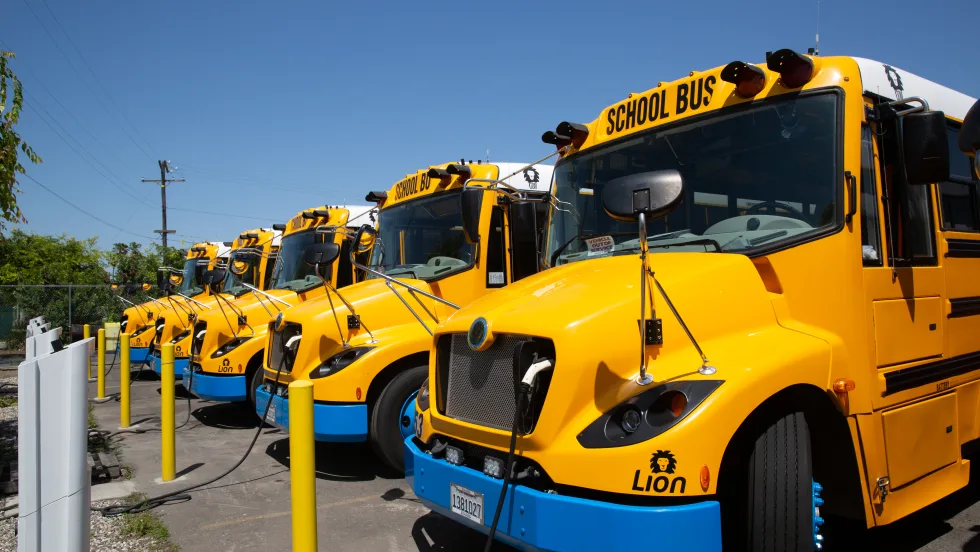
California School Children Ride in Green School Buses
Today, California prides itself on utilizing the most zero-emission (ZE) school buses in the country with over 1,689 being used by California school districts; and while the state is on a positive health trajectory thanks to a decree to eliminate gas and diesel vehicles, more work needs to be done to improve children’s well-being.
Read More →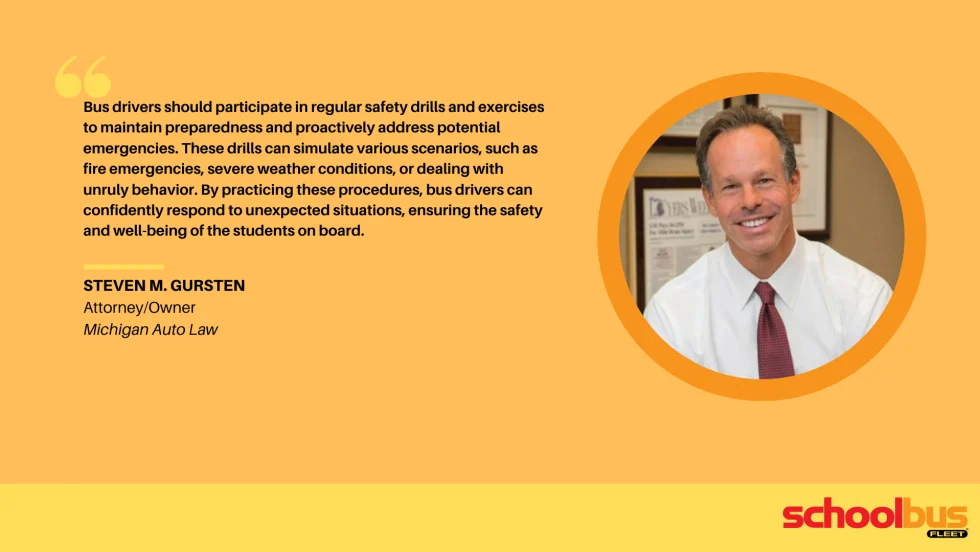
Behind The Wheel of Childrens’ Safety Aboard the School Bus
Bus drivers are the primary caretakers of children during their commute and thus bear responsibility for their safety. By prioritizing proper operating procedures, maintenance checks, and additional precautions, drivers can help avoid the loss of precious young lives under their care.
Read More →