




Read a previous Q&A with Michael Taylor: Factors to consider before switching to propane
Q&A: How does propane stand up to winter weather?
According to PERC's Michael Taylor, propane does not require additional fluids, engine block heaters or preventive measures to be taken even on the coldest days of winter. Propane buses crank reliably, warm up quickly and provide consistent heat throughout the passenger compartment, he says.
by Michael Taylor
November 11, 2015
Michael Taylor is the director of autogas business development for the Propane Education & Research Council.
3 min to read
Q: How do propane-autogas-powered school buses perform in cold weather? Are there any preventive steps schools should take to prepare for winter?
A: Propane autogas loves cold temperatures and outperforms conventional and alternative fuels in the coldest climates. Unlike diesel engines, propane does not require additional fluids, engine block heaters or preventive measures to be taken even on the coldest days of winter. Propane buses crank reliably, warm up quickly and provide consistent heat throughout the passenger compartment, ensuring a comfortable, safe ride to school and home. School districts and private contractors continue to report savings directly linked to the reliable performance and reduced operation expenses provided by their propane buses.
John Dufour, president of All-Star Transportation, a school bus contractor in Connecticut, reported that propane buses continue to save his fleet valuable time and money in the Northeast’s harsh winters.
“With propane, you can continue your normal routine and it’s the same no matter the temperature. In fact, the propane buses start almost instantly, even when it’s zero or 10 below,” Dufour said. “With the diesels, we sometimes bring staff in early just to ensure they start, and it can take 20 minutes of drive time before they warm up.”
Propane buses start quickly and reliably, which eliminates the need for diesel engine block heaters and fuel conditioners. As a result of these two factors alone, fleet uptime is increased and operational expenses are reduced dramatically. Regardless of the temperature, technicians and maintenance staff members are free to engage in activities that increase overall productivity, fleet efficiency and safety. This was a key factor for Independent School District (ISD) 15 in St. Francis, Minnesota.
“Our electric bill for heating the diesel buses each year was around $10,000,” said Dean Krause, ISD 15 transportation program supervisor. “That’s a huge cost that some fleets don’t take into account.”
According to Krause, propane-powered buses provide a very comfortable and safe ride for students and drivers. “Our buses warm up quickly, don’t require lengthy idle periods and provide a better overall experience for students and drivers,” he said.
“The propane autogas buses keep [students and drivers] warmer. During Minnesota’s colder days, the inside of diesel buses might not get warm at all,” Krause added. “No matter how much we try to encourage kids to wear their coats in the winter, many students still won’t. But at least with propane, they can step onto a warm bus.”
Tippecanoe School Corp. (TSC) in Indiana has also battled diesel performance issues in the winter. Diesel buses require fuel conditioners, commonly known as anti-gelling agents, to prevent clogging of fuel filters and lines.
“You have to either blend your diesel fuel with kerosene to avoid gelling, which can add up to $3,000 to $5,000, or you have to use an anti-geI,” said Alan Fidler, TSC certified master truck technician. “The kerosene has a tendency to dry up the diesel, and anti-geI is even more expensive and can put the bus out for a longer time period. We don’t have these issues with propane.”
Today’s propane buses reduce overall maintenance and operations costs, increase route uptime and provide safe transportation for students and drivers during their daily ride to and from school. Our customers’ experiences consistently reinforce the fact that propane out-performs diesel even in the coldest climates.
For more information on propane-powered school buses, visit propane.com.
Michael Taylor is the director of autogas business development for the Propane Education & Research Council (PERC). Prior to joining PERC in 2012, Taylor served as director of fleet management at Heritage Propane for four years. Preceding his tenure at Heritage Propane, he enjoyed a 22-year career in the school transportation industry.
Subscribe to Our Newsletter
More Blog Posts

The Sound of Summer Starting [Guest Editorial]
That unmistakable school bus rumble? It carries childhood memories, community routines, and a whole lot of unseen work behind the scenes.
Read More →
The Technology Power Combo That Enables EV Charging on Difficult Sites
As the pace of fleet electrification increases and charging infrastructure continues to pose challenges, many fleets find themselves puzzling over the question: how do I install charging infrastructure faster and more cost-efficiently?
Read More →
Trip Sheet: Farewell, Faithful Readers – Keep on Rolling
Executive Editor Wes Platt offers parting thoughts as he parks the School Bus Fleet bus to focus on ultra-local community journalism, making way for someone else to take the wheel as the pupil transportation industry continues to evolve.
Read More →
Trip Sheet: School Transportation Pros Can Champion Children's Mental Health
Children's Mental Health Awareness Day underscores the significance of school bus drivers in fostering supportive environments during students' journeys. SAMHSA's initiatives, including stigma reduction and access to resources, complement the Biden-Harris administration's funding efforts to enhance youth mental health services and workforce development.
Read More →
Trip Sheet: Is It Time for Daylight Saving Time to Clock Out?
How do you think the potential shift to permanent Daylight Saving Time or standard time would impact our daily lives and routines, especially considering the divided approach across various states?
Read More →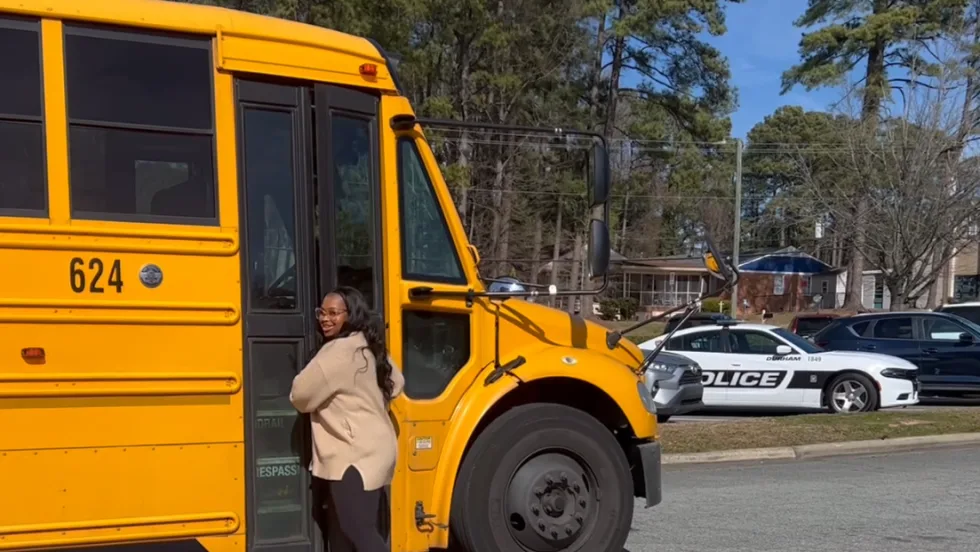
Trip Sheet: Meeting a Hero in My Own Back Yard
I remain impressed by the matter-of-fact heroism that’s often demonstrated by school bus drivers like Deona Washington who are caught in these situations where the best of us might lose our cool and panic. But, then again, bus drivers are a unique breed.
Read More →
Trip Sheet: 3 Takeaways from the EPA Clean School Bus Grant Program
Most applicants sought grant funding to acquire electric school buses, with propane coming in a distant second. No one indicated plans to purchase compressed natural gas (CNG) buses in this round. That’s not terribly surprising, I suppose, given how few school districts listed the inclusion of CNG buses in their fleets for our 2023 top district fleets survey.
Read More →
Trip Sheet: Let's Get Rolling: What's Coming in 2024?
Calendar pages keep flipping toward the mandates set in states like New York and California to transition their school bus fleets from diesel to zero-emission, but there’s plenty of reluctance and pushback.
Read More →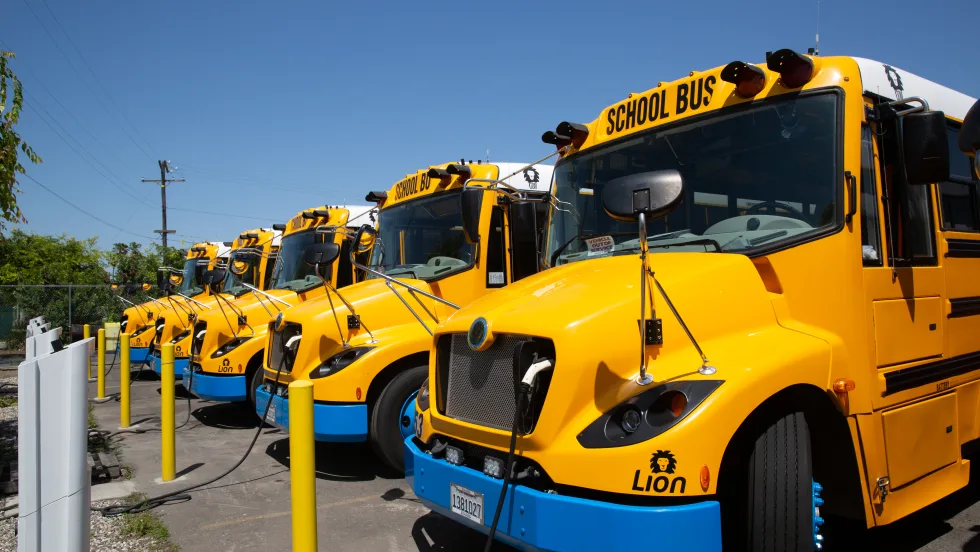
California School Children Ride in Green School Buses
Today, California prides itself on utilizing the most zero-emission (ZE) school buses in the country with over 1,689 being used by California school districts; and while the state is on a positive health trajectory thanks to a decree to eliminate gas and diesel vehicles, more work needs to be done to improve children’s well-being.
Read More →
Behind The Wheel of Childrens’ Safety Aboard the School Bus
Bus drivers are the primary caretakers of children during their commute and thus bear responsibility for their safety. By prioritizing proper operating procedures, maintenance checks, and additional precautions, drivers can help avoid the loss of precious young lives under their care.
Read More →