




Related: District Installs Oven Inside School Bus to Keep Meals Hot
NSTA Advocacy in Action — COVID-19 Crisis Strengthens Pupil Transporters’ Commitment
COVID-19 is something none of us could have imagined, and no one knows how these events will play out, but seeing the industry pull together shows what we can accomplish with our commitment and resolve when unified.
by John Benish Jr.
April 28, 2020
File photo courtesy JD Hardin
3 min to read
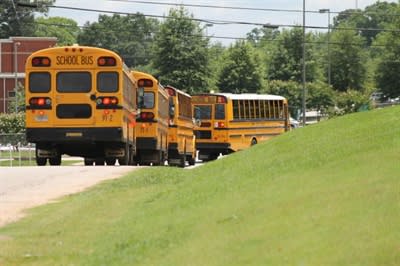
File photo courtesy JD Hardin
On behalf of all the members and staff at the National School Transportation Association (NSTA), I want to begin this post by commending everyone for making a huge impact on containing and fighting this coronavirus crisis. Nurses, doctors, and others on the front lines continue to support our communities in what seems like an hour-by-hour fight for our lives. Without question, these brave heroes are keeping us safe. Thank you!
As I sit at home writing this column, I am reminded of all the wonderful uses the ordinary yellow school bus has taken on recently: Wi-Fi hotspots, care units for hospitals, transportation for first responders, and not to mention the thousands of meals we as an industry have delivered in partnership with school districts across the country. Who could have ever imagined we could do so much with just a yellow bus?
But what we are finding out through this crisis is that the yellow bus is not just the yellow bus anymore. It has become a portable classroom and the conduit that links our children to their schools. We have found out that learning from home has become a challenge, and that nothing can replace a child’s day-to-day school experience. And we continue to be the safest form of transportation to and from school, making all of this possible.
Most of all, everyone at NSTA would like to honor transportation staff members for their ability to help in so many different roles since the crisis began, even for some who are not being paid during this time. We have heard countless stories of drivers and monitors calling their students from home because they want to say hello and see how they are doing. Drivers are delivering food to a student’s doorstep every day, so they can see a friendly face and have something to eat. Technicians are staying after work so they can fix cars of their out-of-work coworkers. Drivers are picking up and delivering medical supplies to local hospitals. The list goes on.
Within NSTA, we saw the industry close ranks and help get language supporting transportation professionals during the pandemic — Section 18006 in the Coronavirus Aid, Relief, and Economic Security (CARES) Act.
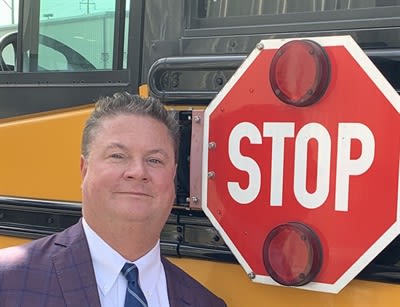
John Benish Jr. is the president of the National School Transportation Association.
Our grassroots effort was truly unique, as we could not converge on Capitol Hill. Instead, we relied upon a flurry of virtual activity, conference calls, webinars, and good old-fashioned emails to get our point across. The language in Section 18006 conveys the intent of Congress that school districts shall continue to pay transportation contractors and employees, as they normally would, through the COVID-19 health crisis.
There are other areas of the bill that impact school bus contractors, including boosted unemployment insurance benefits, a massive loan program through the Paycheck Protection Program, as well as employee retention credit for employers subject to closure due to COVID-19 and a provision that can delay payment of employer payroll taxes. The CARES Act is an 880-page monster that has been the subject of several NSTA webinars, as we continue to get information out to those who need it to survive this turbulent period.
COVID-19 is something none of us could have imagined, and no one knows how these events will play out, but seeing the industry pull together shows what we can accomplish with our commitment and resolve when unified. So many folks reached out to elected officials that eventually the student transportation industry’s concerns were heard, even when other sectors of the economy were not.
The last several weeks have gotten the yellow bus involved in areas we may not have previously envisioned, but we have always answered the call. Here’s hoping for better days on the horizon.
On behalf of NSTA, we are thinking of you all, and wish you and your families hope and peace.
Subscribe to Our Newsletter
More Blog Posts
The Sound of Summer Starting [Guest Editorial]
That unmistakable school bus rumble? It carries childhood memories, community routines, and a whole lot of unseen work behind the scenes.
Read More →
The Technology Power Combo That Enables EV Charging on Difficult Sites
As the pace of fleet electrification increases and charging infrastructure continues to pose challenges, many fleets find themselves puzzling over the question: how do I install charging infrastructure faster and more cost-efficiently?
Read More →
Trip Sheet: Farewell, Faithful Readers – Keep on Rolling
Executive Editor Wes Platt offers parting thoughts as he parks the School Bus Fleet bus to focus on ultra-local community journalism, making way for someone else to take the wheel as the pupil transportation industry continues to evolve.
Read More →
Trip Sheet: School Transportation Pros Can Champion Children's Mental Health
Children's Mental Health Awareness Day underscores the significance of school bus drivers in fostering supportive environments during students' journeys. SAMHSA's initiatives, including stigma reduction and access to resources, complement the Biden-Harris administration's funding efforts to enhance youth mental health services and workforce development.
Read More →
Trip Sheet: Is It Time for Daylight Saving Time to Clock Out?
How do you think the potential shift to permanent Daylight Saving Time or standard time would impact our daily lives and routines, especially considering the divided approach across various states?
Read More →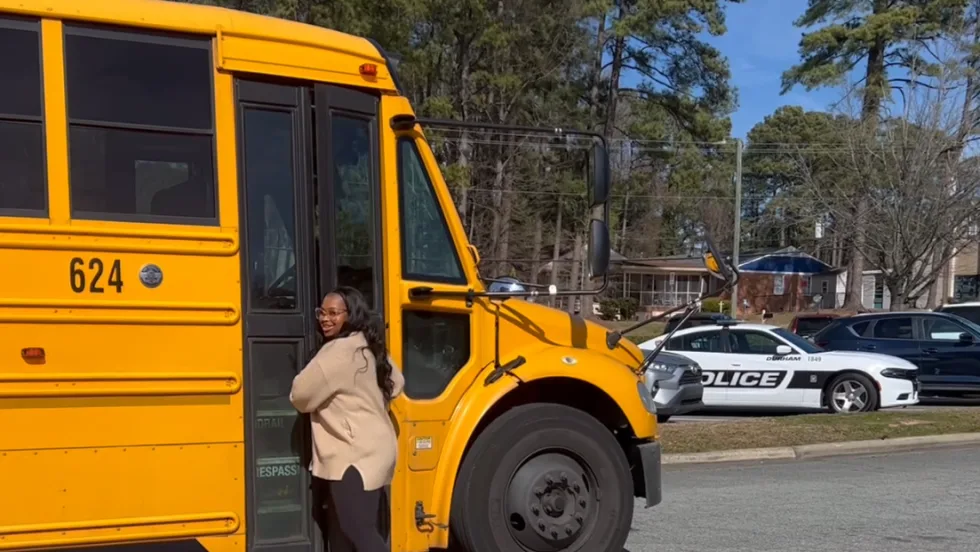
Trip Sheet: Meeting a Hero in My Own Back Yard
I remain impressed by the matter-of-fact heroism that’s often demonstrated by school bus drivers like Deona Washington who are caught in these situations where the best of us might lose our cool and panic. But, then again, bus drivers are a unique breed.
Read More →
Trip Sheet: 3 Takeaways from the EPA Clean School Bus Grant Program
Most applicants sought grant funding to acquire electric school buses, with propane coming in a distant second. No one indicated plans to purchase compressed natural gas (CNG) buses in this round. That’s not terribly surprising, I suppose, given how few school districts listed the inclusion of CNG buses in their fleets for our 2023 top district fleets survey.
Read More →
Trip Sheet: Let's Get Rolling: What's Coming in 2024?
Calendar pages keep flipping toward the mandates set in states like New York and California to transition their school bus fleets from diesel to zero-emission, but there’s plenty of reluctance and pushback.
Read More →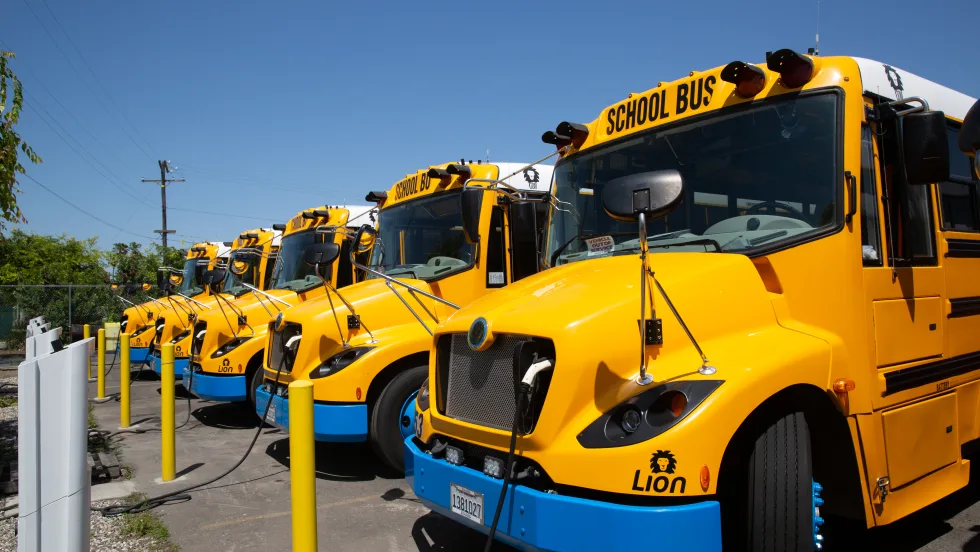
California School Children Ride in Green School Buses
Today, California prides itself on utilizing the most zero-emission (ZE) school buses in the country with over 1,689 being used by California school districts; and while the state is on a positive health trajectory thanks to a decree to eliminate gas and diesel vehicles, more work needs to be done to improve children’s well-being.
Read More →
Behind The Wheel of Childrens’ Safety Aboard the School Bus
Bus drivers are the primary caretakers of children during their commute and thus bear responsibility for their safety. By prioritizing proper operating procedures, maintenance checks, and additional precautions, drivers can help avoid the loss of precious young lives under their care.
Read More →