




Related: Volkswagen Brings School Bus Closer to Automation, but Questions Remain
Navigating Autonomous Vehicle Safety in the ‘In-Between Time’
As autonomous vehicles become mainstream, safer travel for all may indeed be a reality. The in-between time, though, remains a learning environment for everyone.
by Ronna Weber
January 17, 2020
The National Transportation Safety Board released a report on a fatal crash in which an Uber test autonomous vehicle struck a pedestrian in Tempe, Ariz., in 2018. Shown here is a screen shot from video of the agency's 2019 meeting on its Most Wanted List at the National Press Club.
3 min to read
A recent report from the National Transportation Safety Board (NTSB) is a chilling reminder of the “in-between” period we find ourselves in as we hurtle toward a world with near-complete autonomous transportation — but aren’t there quite yet.
According to the investigative agency’s accident report on a fatal crash in which an autonomous vehicle struck a pedestrian in Tempe, Ariz., on March 18, 2018, the Uber Technologies Inc. test vehicle was operating in computer control mode. It failed to recognize that a pedestrian was crossing the road in front of the vehicle. The pedestrian was walking with a bicycle. The automated driving system (ADS), which controls a vehicle in autonomous mode, classified her as a vehicle, a bike, “and other.” (Read the full report here.)
In addition, the test vehicle’s occupant, who was unharmed in the crash, was distracted at this point in the vehicle’s 19 minutes of autonomous operation. She was looking down at the center console, where her cell phone was placed. She redirected her vision to the road about one second before impact and tried to adjust the steering, but it was too late.
In its comments on this unfortunate accident, the NTSB noted, among other things, that the federal government has failed to provide needed oversight of autonomous testing on public roads.
In fairness, self-driving cars have successfully driven hundreds of thousands of miles on actual roads and we are swiftly moving toward a point where the majority — if not all — cars on the road will have some level of autonomy. This in-between time, however, when autonomous vehicles are on our roads for testing purposes, is still cause for concern, especially for student transportation.
As [autonomous vehicles] become mainstream, safer travel for all may indeed be a reality. The in-between time, though, remains a learning environment for everyone.
Our industry’s greatest concern about autonomous vehicles must be that schoolchildren boarding or exiting the bus are recognized by the vehicles as such. A school bus is not a delivery truck or a trash truck, for example, that can be passed. Children are not “and other.” Autonomous vehicles must recognize a school bus with its distinct operating conditions and react accordingly every time.

Ronna Weber is a consultant working with the American Bus Association.
In its findings, the NTSB also recognized an inadequate safety culture at Uber during its investigation. At the time of the crash, according to the agency’s report, Uber showed “a lack of risk assessment mechanisms, of oversight of vehicle operators, and of personnel with backgrounds in safety management.”
Since the crash, Uber has “made changes in organizational, operational and technical areas,” according to the report. In addition, the NTSB recommended in the report that Uber “complete the implementation of its safety management system that at a minimum will include safety policy, safety risk management, safety assurance, and safety promotion.”
The school transportation industry puts safety above all else. We expect others on the road, and the governing bodies that approve their actions will do the same. Our children deserve nothing less.
Autonomous vehicles, however, are a whole other level of operation. As they become mainstream, safer travel for all may indeed be a reality. The in-between time, though, remains a learning environment for everyone.
To ensure we’re all as safe as possible when autonomous vehicles are on our roads, you can:
- Encourage your drivers to attend conferences where autonomous vehicles are on display or demonstrated.
- Recommend that your drivers take opportunities to ride in vehicles with this technology to see how it operates.
- Educate your drivers that autonomous vehicles could be on the roads where they operate.
- Encourage the schools you serve to consider including them in the safety conversation.
Subscribe to Our Newsletter
More Blog Posts
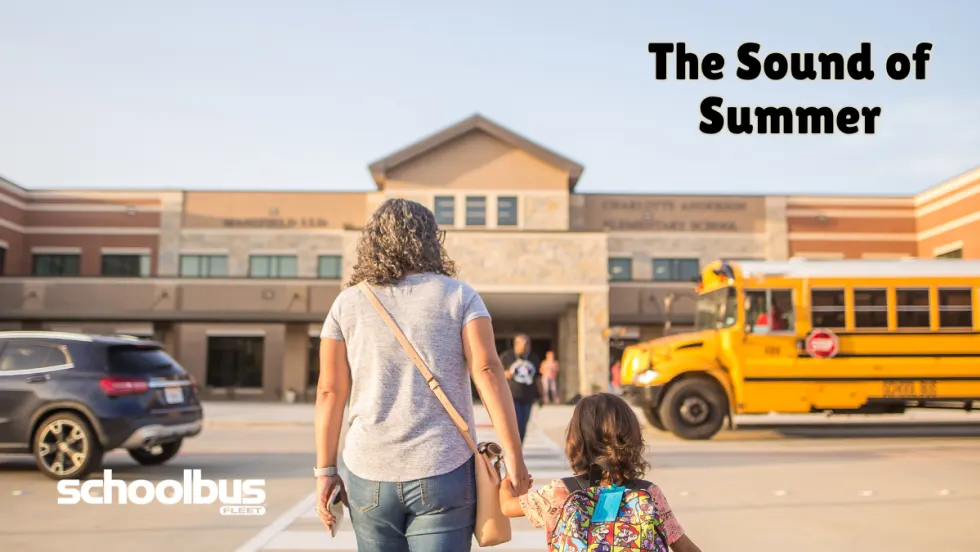
The Sound of Summer Starting [Guest Editorial]
That unmistakable school bus rumble? It carries childhood memories, community routines, and a whole lot of unseen work behind the scenes.
Read More →
The Technology Power Combo That Enables EV Charging on Difficult Sites
As the pace of fleet electrification increases and charging infrastructure continues to pose challenges, many fleets find themselves puzzling over the question: how do I install charging infrastructure faster and more cost-efficiently?
Read More →
Trip Sheet: Farewell, Faithful Readers – Keep on Rolling
Executive Editor Wes Platt offers parting thoughts as he parks the School Bus Fleet bus to focus on ultra-local community journalism, making way for someone else to take the wheel as the pupil transportation industry continues to evolve.
Read More →
Trip Sheet: School Transportation Pros Can Champion Children's Mental Health
Children's Mental Health Awareness Day underscores the significance of school bus drivers in fostering supportive environments during students' journeys. SAMHSA's initiatives, including stigma reduction and access to resources, complement the Biden-Harris administration's funding efforts to enhance youth mental health services and workforce development.
Read More →
Trip Sheet: Is It Time for Daylight Saving Time to Clock Out?
How do you think the potential shift to permanent Daylight Saving Time or standard time would impact our daily lives and routines, especially considering the divided approach across various states?
Read More →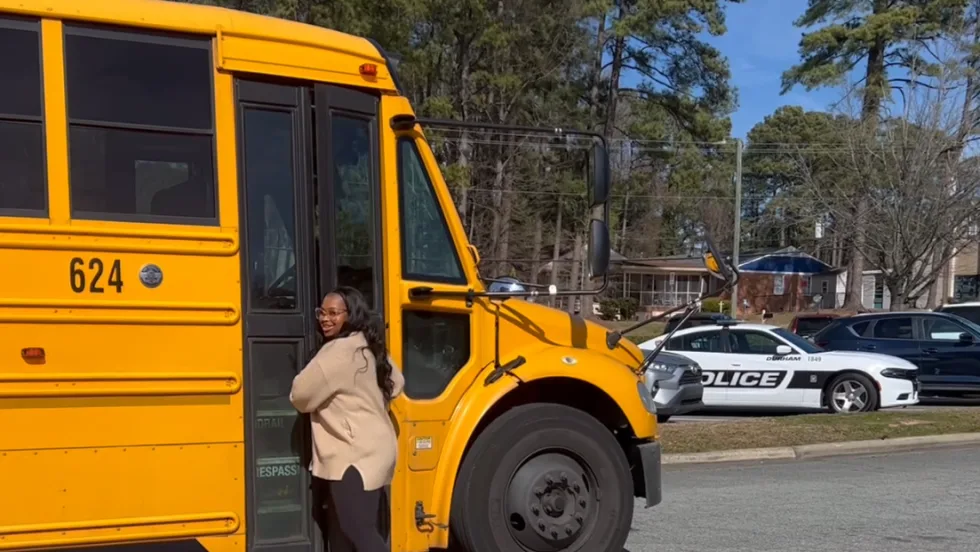
Trip Sheet: Meeting a Hero in My Own Back Yard
I remain impressed by the matter-of-fact heroism that’s often demonstrated by school bus drivers like Deona Washington who are caught in these situations where the best of us might lose our cool and panic. But, then again, bus drivers are a unique breed.
Read More →
Trip Sheet: 3 Takeaways from the EPA Clean School Bus Grant Program
Most applicants sought grant funding to acquire electric school buses, with propane coming in a distant second. No one indicated plans to purchase compressed natural gas (CNG) buses in this round. That’s not terribly surprising, I suppose, given how few school districts listed the inclusion of CNG buses in their fleets for our 2023 top district fleets survey.
Read More →
Trip Sheet: Let's Get Rolling: What's Coming in 2024?
Calendar pages keep flipping toward the mandates set in states like New York and California to transition their school bus fleets from diesel to zero-emission, but there’s plenty of reluctance and pushback.
Read More →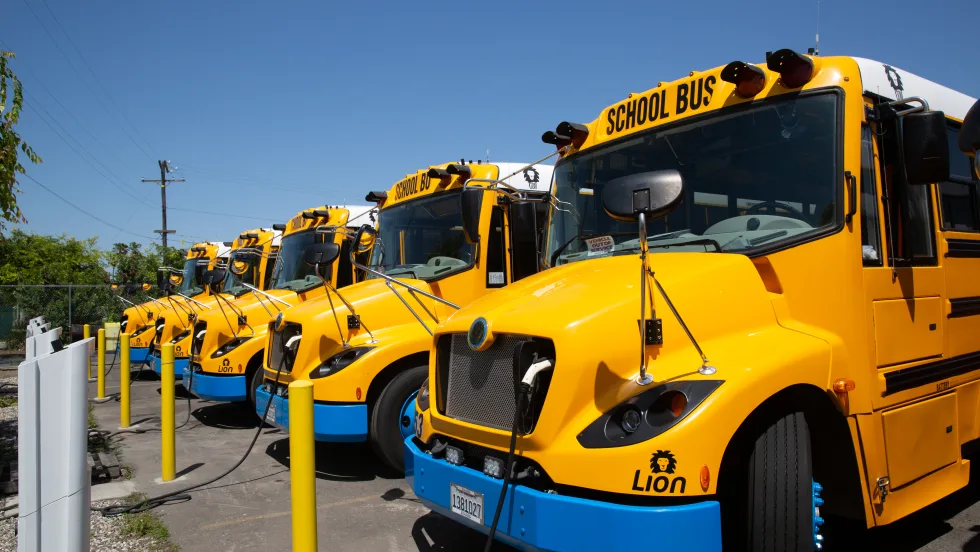
California School Children Ride in Green School Buses
Today, California prides itself on utilizing the most zero-emission (ZE) school buses in the country with over 1,689 being used by California school districts; and while the state is on a positive health trajectory thanks to a decree to eliminate gas and diesel vehicles, more work needs to be done to improve children’s well-being.
Read More →
Behind The Wheel of Childrens’ Safety Aboard the School Bus
Bus drivers are the primary caretakers of children during their commute and thus bear responsibility for their safety. By prioritizing proper operating procedures, maintenance checks, and additional precautions, drivers can help avoid the loss of precious young lives under their care.
Read More →