




More School Districts Selecting Propane Buses
New research from the Propane Education & Research Council finds that the number of school districts choosing the alternative-fuel school buses continues to grow. By early 2018, 840 districts were operating propane buses.
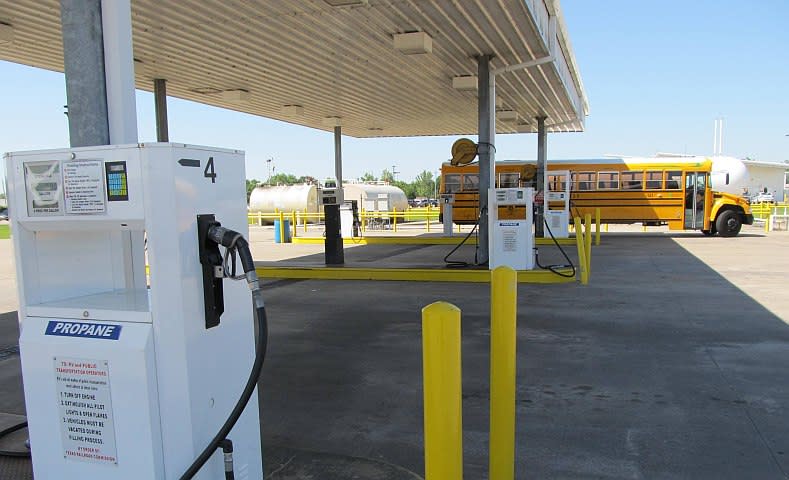
New research from the Propane Education & Research Council finds that the number of school districts choosing the alternative-fuel school buses continues to grow. File photo
New research from the Propane Education & Research Council finds that the number of school districts choosing the alternative-fuel school buses continues to grow. File photo
The following editorial was contributed by Michael Taylor of the Propane Education & Research Council.
New research compiled by the Propane Education & Research Council (PERC) using IHS Polk new vehicle registration data shows school transportation directors and private contractors across the country continue to gravitate toward propane autogas school buses.
The total number of school districts operating propane school buses grew to 840 by the start of 2018, thanks in large part to the fuel helping lower their total cost of ownership and reduce emissions.
Financially, propane provides school districts with the lowest total cost of ownership compared to other fuels. Even as oil prices fluctuate, propane consistently costs less than diesel and gasoline by as much as 50%. But school districts really start to see the savings benefits in their maintenance costs. Propane doesn’t require expensive engine fluids or filters, like diesel buses, to operate safely, cleanly, and quietly. Diesel buses need more oil by volume and require regular diesel particulate filter (DPF) cleanings, increasing preventive maintenance costs and time in the garage.
Propane provides a clean emissions profile compared with diesel and gasoline buses, and its exhaust does not emit any of the known carcinogens that can be harmful to children. The alternative fuel also operates more quietly than diesel buses, allowing drivers to clearly hear noises inside and outside of the bus.
Propane Trending Upwards
In 2017, U.S. school districts registered 2,430 new propane buses, growing the total number currently in operation nationwide to over 15,000. Every weekday, approximately 928,000 students ride to school on a propane school bus.
Additionally, propane school bus registrations have increased by 700% in the last six years, with the addition of 90 new school districts/contractors in 2017 now including propane school buses in their fleet.
Still the Most Popular Alternative Fuel
Not only are more districts switching to propane, but those who have seen the benefits are making repeat purchases. In 2017, more than 57% of school districts with Type C propane buses purchased additional propane buses.
An important factor for many school districts considering the merits of propane is fuel price. Propane allows districts to protect their fuel budgets from the volatility of the oil market. The national average price for a gallon of diesel and gasoline is approaching — or has passed — $3 per gallon this summer, with forecasts predicting even further increases. Propane suppliers can help school districts lock in yearly fuel prices to eliminate price swings, helping to simplify the annual budgeting process.
Propane also reduces toxic tailpipe emissions, which complies with one of the major objectives of the U.S. Environmental Protection Agency (EPA) Clean Air Standards Act. However, the environmental concerns do not stop at the tailpipe. Both gasoline and diesel contaminate air, water, and soil resources. Furthermore, diesel and gasoline fuel handling, storage, and spillage costs add up over the lifecycle of a vehicle. Propane is non-toxic and is a non-contaminant in its natural state, so these costs are eliminated when operating propane school buses.
Propane infrastructure provides a refueling experience similar to diesel and gasoline, but is potentially safer, because quick-connect nozzles lock securely during refueling, eliminating the possibility of releasing emissions. Fuel spills are eliminated with a closed loop pressurized fuel system, and hazmat cleanup is not a concern.
Furthermore, drivers don’t wear the smell of gasoline or diesel on their clothes.
Several States Now Large Adopters
Including 2017 registrations, 48 states now have propane school buses operating within their borders. Ten states now have more than 500 propane buses. In order of bus registration totals, those states are:
• Texas (2,870)
• California (1,438)
• Oregon (915)
• Pennsylvania (896)
• Wisconsin (656)
• Illinois (631)
• New York (622)
• Minnesota (613)
• Florida (610)
• Ohio (547)
School districts of all sizes are benefiting from propane school buses. Boston Public Schools recently added dozens of the buses to its already large fleet. Currently, the district is running 247 propane buses, which make up about 40% of its fleet. This has greatly reduced emissions in a city that is placing an emphasis on air quality, while also saving the district thousands of dollars per day in reduced fuel and maintenance costs. Labor costs are also reduced in the winter, because propane does not require extra time to warm up, so BPS can reduce its cold start team.
Fulton County (Ga.) Schools added new propane buses to its fleet in 2017. As a result, the district will save $3,500 a year, per bus, in fuel and maintenance costs. Over the 15-year lifetime of the current buses, it expects to save $4.5 million.
Smaller districts like Warren Township School District, in Indianapolis, Indiana, save with propane, too. The district saves at least $1,600 per year on each propane bus compared to diesel, because the district doesn’t need to worry about anti-gelling liquids, electric block heaters, or added maintenance to keep buses warm and running in cold Indiana winters.
For more information on propane school buses, go here.
Michael Taylor is the director of autogas business development for the Propane Education & Research Council. He can be reached atmichael.taylor@propane.com.
More Blog Posts

'I’m a School Bus Driver, You Can Trust Me'
A crowded Cleveland parking lot, a full-size pickup, and five unexpected words turned a stressful moment into a reminder of just how much trust we place in school bus drivers every day.
Read More →
The Sound of Summer Starting [Guest Editorial]
That unmistakable school bus rumble? It carries childhood memories, community routines, and a whole lot of unseen work behind the scenes.
Read More →
The Technology Power Combo That Enables EV Charging on Difficult Sites
As the pace of fleet electrification increases and charging infrastructure continues to pose challenges, many fleets find themselves puzzling over the question: how do I install charging infrastructure faster and more cost-efficiently?
Read More →
Trip Sheet: Farewell, Faithful Readers – Keep on Rolling
Executive Editor Wes Platt offers parting thoughts as he parks the School Bus Fleet bus to focus on ultra-local community journalism, making way for someone else to take the wheel as the pupil transportation industry continues to evolve.
Read More →
Trip Sheet: School Transportation Pros Can Champion Children's Mental Health
Children's Mental Health Awareness Day underscores the significance of school bus drivers in fostering supportive environments during students' journeys. SAMHSA's initiatives, including stigma reduction and access to resources, complement the Biden-Harris administration's funding efforts to enhance youth mental health services and workforce development.
Read More →
Trip Sheet: Is It Time for Daylight Saving Time to Clock Out?
How do you think the potential shift to permanent Daylight Saving Time or standard time would impact our daily lives and routines, especially considering the divided approach across various states?
Read More →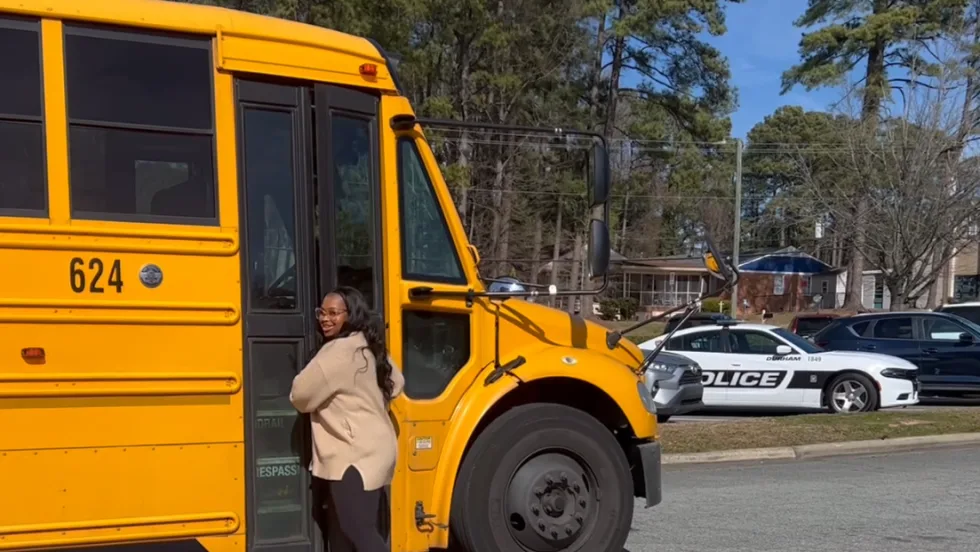
Trip Sheet: Meeting a Hero in My Own Back Yard
I remain impressed by the matter-of-fact heroism that’s often demonstrated by school bus drivers like Deona Washington who are caught in these situations where the best of us might lose our cool and panic. But, then again, bus drivers are a unique breed.
Read More →
Trip Sheet: 3 Takeaways from the EPA Clean School Bus Grant Program
Most applicants sought grant funding to acquire electric school buses, with propane coming in a distant second. No one indicated plans to purchase compressed natural gas (CNG) buses in this round. That’s not terribly surprising, I suppose, given how few school districts listed the inclusion of CNG buses in their fleets for our 2023 top district fleets survey.
Read More →
Trip Sheet: Let's Get Rolling: What's Coming in 2024?
Calendar pages keep flipping toward the mandates set in states like New York and California to transition their school bus fleets from diesel to zero-emission, but there’s plenty of reluctance and pushback.
Read More →
California School Children Ride in Green School Buses
Today, California prides itself on utilizing the most zero-emission (ZE) school buses in the country with over 1,689 being used by California school districts; and while the state is on a positive health trajectory thanks to a decree to eliminate gas and diesel vehicles, more work needs to be done to improve children’s well-being.
Read More →