




Go Social, But Don’t Go Viral
Passengers can easily capture drivers’ actions on smartphones and post them online for anyone to see. That’s all the more reason to maintain a professional manner and follow proper procedures at all times.

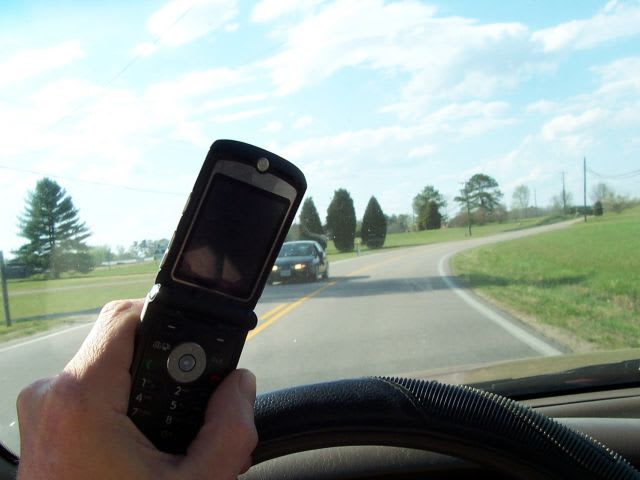
Passengers can easily capture drivers’ actions on their phones and post them online. In May, a student in Illinois shot video of his bus driver texting while driving. Stock photo by Ed Brown
Passengers can easily capture drivers’ actions on their phones and post them online. In May, a student in Illinois shot video of his bus driver texting while driving. Stock photo by Ed Brown
Far from just a place to share cat videos and baby pictures, social media has proven to be a practical communication tool for any kind of organization, including school bus operations.
Many school districts and contractors have used Facebook and Twitter to inform the public about their success stories, service updates, employment opportunities, and other timely developments.
We at School Bus Fleet make good use of social media as another avenue for sharing industry news, photo galleries, and videos from our website. Our social media audience has grown by leaps and bounds since we started using these platforms years ago.
Consider our latest social stats:
LinkedIn group members: 8,407
Facebook "likes": 6,408
Twitter followers: 2,469
Total: 17,284
With more than 17,000 connections across those three platforms, it’s plain to see why social media has become so valuable to SBF, as well as to our readers.
Still, social media also carries massive potential for negative attention. With the proliferation of smartphones and the ease of capturing and sharing video clips, those who get caught in an unlawful or embarrassing act run the risk of becoming the next internet sensation.
That point has been demonstrated in recent news stories. A few examples:
• In Ottawa, Illlinois, WLS-TV reported that a high school student shot video of his school bus driver texting while driving the bus in May. According to the news source, the student posted the footage on social media, and “it started to create a stir almost immediately,” attracting nearly 20,000 views in less than a day.
• In Springdale, Ohio, a school bus driver was fired after a parent shot a video of her running a stop sign last year. WCPO reported that when the parent posted the clip on Facebook, it was viewed more than 65,000 times in 24 hours.
• In Kent, Washington, onboard video from a school bus showed a 7-year-old in a wheelchair — which was not properly secured — tip over and crash to the floor in January. KING 5 reported that the girl’s mother posted the footage on Facebook, encouraging others to share it to raise awareness about the importance of providing proper care for special-needs children. (Watch the video here.)
As these incidents show, when a video goes viral on social media, the news media is likely to cover it, giving it even more exposure on the internet and the evening news.
Your school bus drivers need to know that their passengers can easily capture their actions on smartphones and post them online for anyone to see. That’s all the more reason to maintain a professional manner and follow proper procedures at all times.
It may sound cynical, but on a school bus, students are always watching, and in today’s world they can share what they witness with thousands. In some cases, students have even taunted authority figures for the very purpose of capturing an angry reaction and posting it online — a phenomenon known as “cyberbaiting.”
So while your transportation department should certainly tap into the positive side of social media by sharing good news and important updates via your own channels, be sure to remind your staff about the bad kind of social media publicity.
School bus drivers should be aware of the risk of going viral. And I don’t mean catching a cold.
More Blog Posts

The Sound of Summer Starting [Guest Editorial]
That unmistakable school bus rumble? It carries childhood memories, community routines, and a whole lot of unseen work behind the scenes.
Read More →
The Technology Power Combo That Enables EV Charging on Difficult Sites
As the pace of fleet electrification increases and charging infrastructure continues to pose challenges, many fleets find themselves puzzling over the question: how do I install charging infrastructure faster and more cost-efficiently?
Read More →
Trip Sheet: Farewell, Faithful Readers – Keep on Rolling
Executive Editor Wes Platt offers parting thoughts as he parks the School Bus Fleet bus to focus on ultra-local community journalism, making way for someone else to take the wheel as the pupil transportation industry continues to evolve.
Read More →
Trip Sheet: School Transportation Pros Can Champion Children's Mental Health
Children's Mental Health Awareness Day underscores the significance of school bus drivers in fostering supportive environments during students' journeys. SAMHSA's initiatives, including stigma reduction and access to resources, complement the Biden-Harris administration's funding efforts to enhance youth mental health services and workforce development.
Read More →
Trip Sheet: Is It Time for Daylight Saving Time to Clock Out?
How do you think the potential shift to permanent Daylight Saving Time or standard time would impact our daily lives and routines, especially considering the divided approach across various states?
Read More →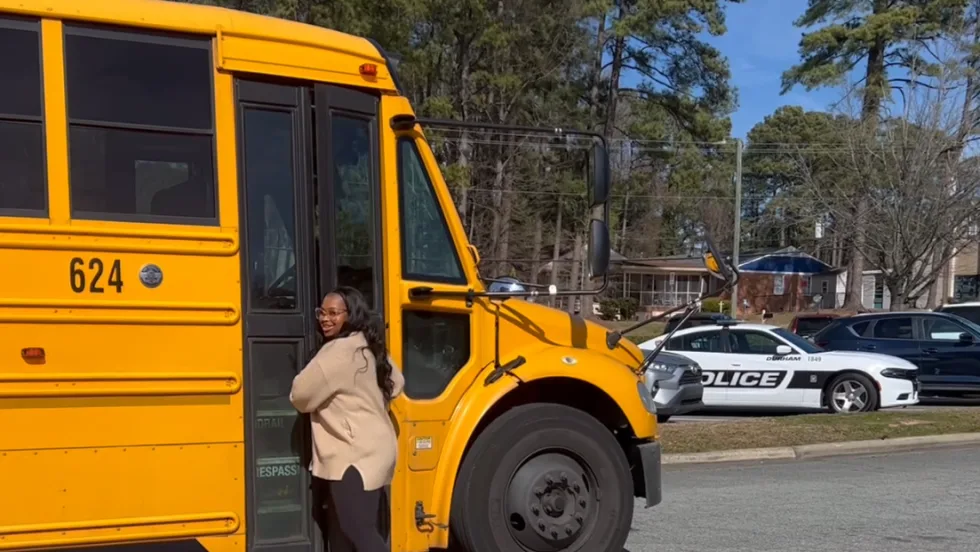
Trip Sheet: Meeting a Hero in My Own Back Yard
I remain impressed by the matter-of-fact heroism that’s often demonstrated by school bus drivers like Deona Washington who are caught in these situations where the best of us might lose our cool and panic. But, then again, bus drivers are a unique breed.
Read More →
Trip Sheet: 3 Takeaways from the EPA Clean School Bus Grant Program
Most applicants sought grant funding to acquire electric school buses, with propane coming in a distant second. No one indicated plans to purchase compressed natural gas (CNG) buses in this round. That’s not terribly surprising, I suppose, given how few school districts listed the inclusion of CNG buses in their fleets for our 2023 top district fleets survey.
Read More →
Trip Sheet: Let's Get Rolling: What's Coming in 2024?
Calendar pages keep flipping toward the mandates set in states like New York and California to transition their school bus fleets from diesel to zero-emission, but there’s plenty of reluctance and pushback.
Read More →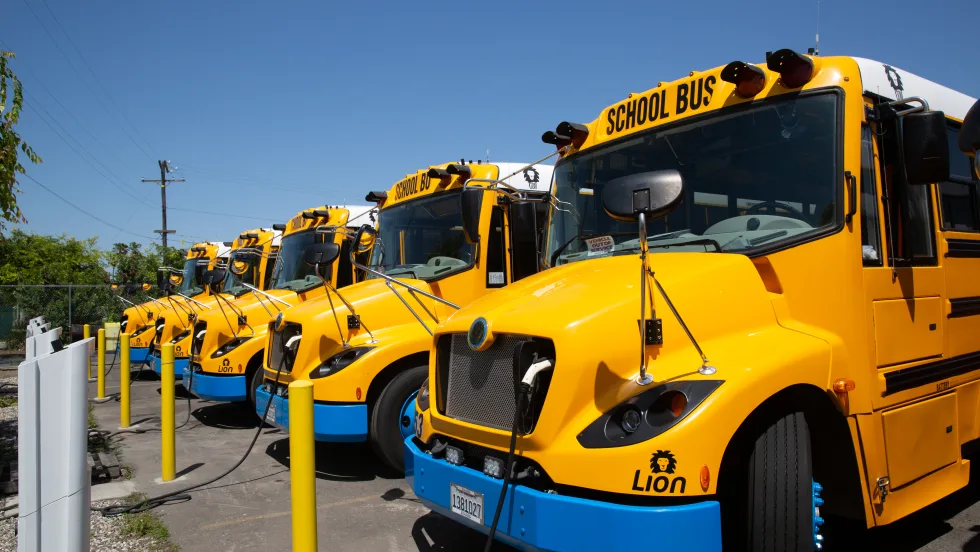
California School Children Ride in Green School Buses
Today, California prides itself on utilizing the most zero-emission (ZE) school buses in the country with over 1,689 being used by California school districts; and while the state is on a positive health trajectory thanks to a decree to eliminate gas and diesel vehicles, more work needs to be done to improve children’s well-being.
Read More →
Behind The Wheel of Childrens’ Safety Aboard the School Bus
Bus drivers are the primary caretakers of children during their commute and thus bear responsibility for their safety. By prioritizing proper operating procedures, maintenance checks, and additional precautions, drivers can help avoid the loss of precious young lives under their care.
Read More →