




Getting Back to Full Speed: What Do You Need?
Momentum is growing to return to full operation. For pupil transporters, that means addressing potentially greater driver shortage, factoring in the added responsibilities of sanitizing the buses — possibly as a permanent practice — and returning to managing more staff members in person.

File photo
With schools increasingly reopening, momentum is growing to return to full operation. For pupil transporters, that means addressing potentially greater driver shortage, factoring in the added responsibilities of sanitizing the buses — possibly as a permanent practice — and returning to managing more staff members in person — or at least staff numbers similar to pre-pandemic levels.
In our recent article on driver shortage solutions, Mark Clawson, transportation director of New Hanover County Public Schools in North Carolina, shared how he and his team used data to create more efficient routing to work with the number of available drivers at his district. The team had about 35 fewer drivers and half the bus capacity available for about half of the student population and concluded that they would need to do multiple runs — and quicker.
Routing software data showed that 36% of the district’s stops last year were at the students’ homes. (State law requires schools to place one stop within a mile of students’ residences, but last year’s walking distance to stops was much closer: one-tenth of a mile for all the district’s 13,000 riders.)
The team consolidated existing stops into “community stops” — central locations such as clubhouses and neighborhood pool parking lots within half a mile walking distance — for all middle school and high school students to be picked up together. (Elementary school students are assigned to stops within less than half a mile of walking distance.) The average bus route time is shorter, at 16 minutes, allowing drivers to go back to the same school and do a second run. That also has students and the driver on the bus together for less time, reducing the likelihood of coronavirus exposure.
Since keeping the bus interior clean requires many more meticulous steps these days, we turned to air filtration suppliers for information on the latest offerings to combat COVID-19 and other airborne viruses on the bus in a story in our upcoming April/May issue. We also share in that story how one district looked to first responders such as ambulances and fire departments to select a system, got assistance from their bus dealer on installation, and covered the expense with CARES Act funding.
Additionally, Tony Pollard, the transportation coordinator for Baldwin County (Ala.) Public Schools, discussed his team’s process for a fully safe bus sanitizing process that relied on seeking the best knowledge, delegating effectively, keeping staff safe, and prioritizing the guiding mission: transporting students to and from school safely.
One of Pollard’s team members, fleet manager Glenn Brown, offered a unique and useful perspective as a former paramedic to help guide sanitization planning. Brown recommended having an epidemiologist help identify suitable products to use on the buses and provide safety data sheets for each chemical involved, teach them how to use the products safely and effectively, and determine what personal protective equipment (PPE) should be used while sanitizing.
Meanwhile, some operators may find they could use a refresh with in-person management and Karen Main’s article on having difficult conversations with employees when necessary may help. Main presents a hypothetical scenario in which a transportation manager or director needs to discuss chronic tardiness with a driver and turns to a colleague in the Human Resources department for some pointers. One key piece of advice offered in the story by the Human Resources colleague “character:"
“Keep in mind your reason for meeting with [the employee]. Is it to ensure [their] success on your team, or create a path for [their] exit? The mindset you bring to your conversations with employees will impact their outcome.”
If you’re getting back up to full speed at your operation, what do you need for a successful transition? We look forward to hearing how the reopening process is going for pupil transporters large and small across North America. Please let us know in the comments section below.
More Blog Posts

The Sound of Summer Starting [Guest Editorial]
That unmistakable school bus rumble? It carries childhood memories, community routines, and a whole lot of unseen work behind the scenes.
Read More →
The Technology Power Combo That Enables EV Charging on Difficult Sites
As the pace of fleet electrification increases and charging infrastructure continues to pose challenges, many fleets find themselves puzzling over the question: how do I install charging infrastructure faster and more cost-efficiently?
Read More →
Trip Sheet: Farewell, Faithful Readers – Keep on Rolling
Executive Editor Wes Platt offers parting thoughts as he parks the School Bus Fleet bus to focus on ultra-local community journalism, making way for someone else to take the wheel as the pupil transportation industry continues to evolve.
Read More →
Trip Sheet: School Transportation Pros Can Champion Children's Mental Health
Children's Mental Health Awareness Day underscores the significance of school bus drivers in fostering supportive environments during students' journeys. SAMHSA's initiatives, including stigma reduction and access to resources, complement the Biden-Harris administration's funding efforts to enhance youth mental health services and workforce development.
Read More →
Trip Sheet: Is It Time for Daylight Saving Time to Clock Out?
How do you think the potential shift to permanent Daylight Saving Time or standard time would impact our daily lives and routines, especially considering the divided approach across various states?
Read More →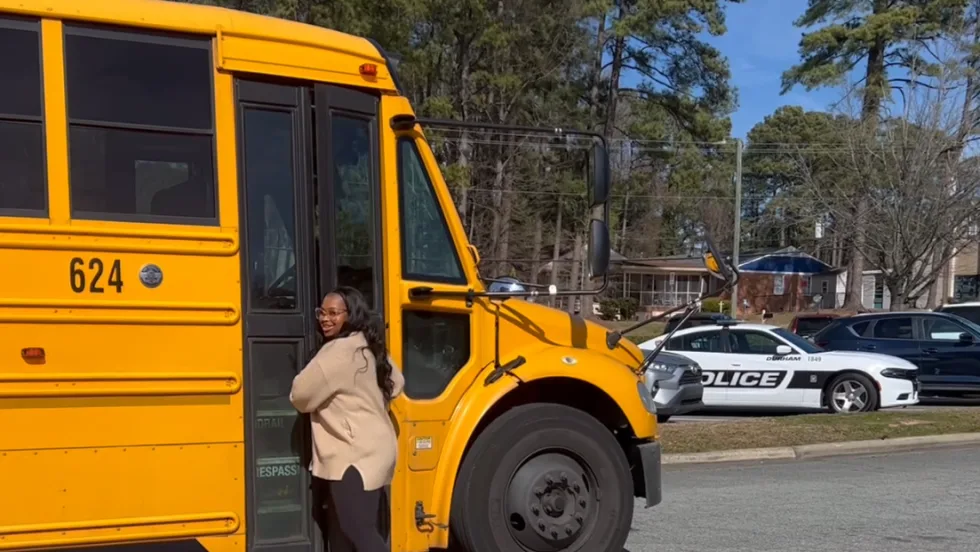
Trip Sheet: Meeting a Hero in My Own Back Yard
I remain impressed by the matter-of-fact heroism that’s often demonstrated by school bus drivers like Deona Washington who are caught in these situations where the best of us might lose our cool and panic. But, then again, bus drivers are a unique breed.
Read More →
Trip Sheet: 3 Takeaways from the EPA Clean School Bus Grant Program
Most applicants sought grant funding to acquire electric school buses, with propane coming in a distant second. No one indicated plans to purchase compressed natural gas (CNG) buses in this round. That’s not terribly surprising, I suppose, given how few school districts listed the inclusion of CNG buses in their fleets for our 2023 top district fleets survey.
Read More →
Trip Sheet: Let's Get Rolling: What's Coming in 2024?
Calendar pages keep flipping toward the mandates set in states like New York and California to transition their school bus fleets from diesel to zero-emission, but there’s plenty of reluctance and pushback.
Read More →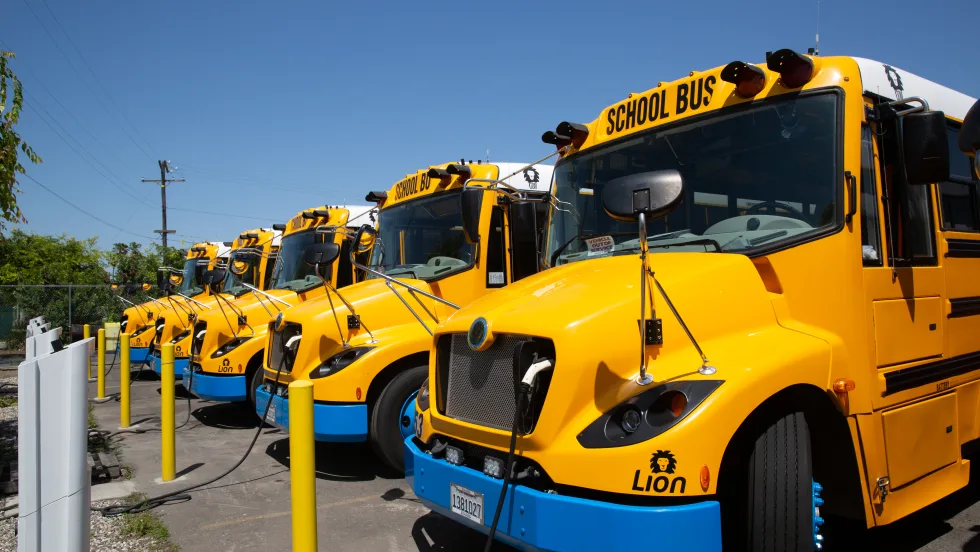
California School Children Ride in Green School Buses
Today, California prides itself on utilizing the most zero-emission (ZE) school buses in the country with over 1,689 being used by California school districts; and while the state is on a positive health trajectory thanks to a decree to eliminate gas and diesel vehicles, more work needs to be done to improve children’s well-being.
Read More →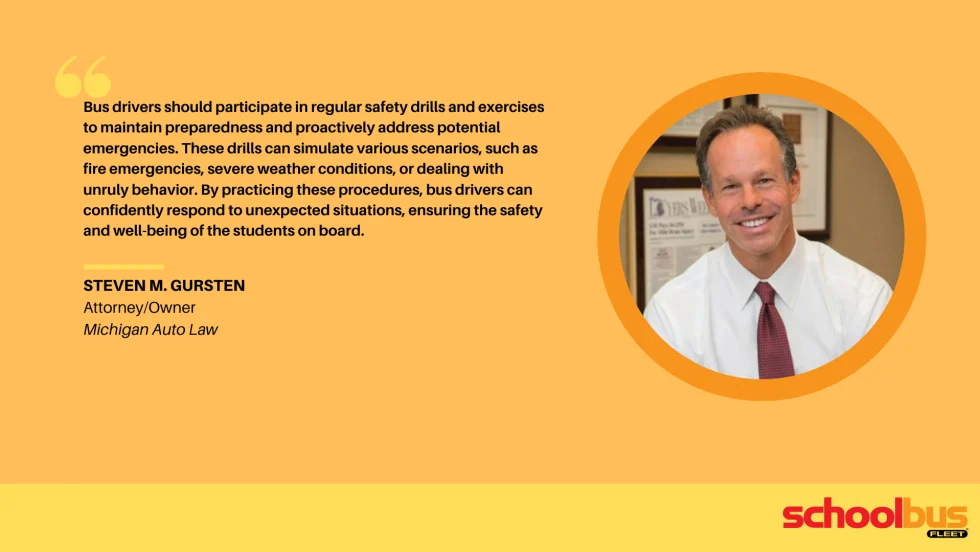
Behind The Wheel of Childrens’ Safety Aboard the School Bus
Bus drivers are the primary caretakers of children during their commute and thus bear responsibility for their safety. By prioritizing proper operating procedures, maintenance checks, and additional precautions, drivers can help avoid the loss of precious young lives under their care.
Read More →