




Deterrents Abound, but Education Funding Is a Hurdle for Stop-Arm Running Prevention
A serious concern in school transportation is the stop-arm violation. Some fines are being increased and some laws are being toughened, but more funding is needed for educating the public.

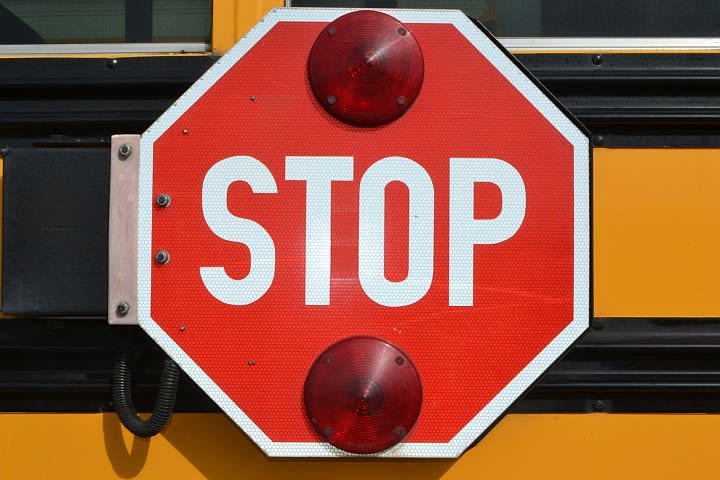
Obtaining funding to educate the public on stopping for school buses can be a challenge, sometimes due to competition for state and federal funds for other vital campaigns, such as those created to stop distracted and impaired driving and speeding.

Obtaining funding to educate the public on stopping for school buses can be a challenge, sometimes due to competition for state and federal funds for other vital campaigns, such as those created to stop distracted and impaired driving and speeding.
A serious concern in school transportation is the stop-arm violation. An astounding number of motorists breeze down the road, seemingly unaware of the big, yellow bus that is sitting right in front of them, sometimes with tragic results. Many school bus drivers are illegally passed multiple times a day. We at School Bus Fleet see video evidence of it constantly.
We also report stories about fines being increased and laws toughened. Recently, British Columbia more than doubled its fines for illegal bus passing. In South Carolina, a bill that would allow citations to be mailed to vehicle owners even if the driver who committed the violation can’t be identified is advancing through the state Legislature. Meanwhile, in New Jersey and New York, assembly members have introduced legislation that would let school districts deploy cameras on school bus stop arms to capture video of drivers who illegally pass stopped school buses.
If numbers from the New York Association for Pupil Transportation (NYAPT) monthly estimates on illegal school bus passing statewide are any indication, there is more need for these measures than ever. On May 18, the association estimated that nearly 37,000 stop-arm violations occurred on that day. That is the highest number of estimated violations from NYAPT since October 2015, when the association began conducting the monthly survey.
Deterrents such as fines are essential, according to many readers who responded to a recent query about the subject on Facebook and LinkedIn, some saying that motorists know the law but break it anyway.
However, many other readers noted that more education is needed, and that many motorists are not aware of the potentially horrifying consequences. Several wrote that, whether through public service announcements (PSAs) or more time spent on school bus safety in the classroom and on driver’s license tests, the public needs their attention directed to this safety hazard. (At SBF, we often receive and share powerful videos created, sometimes as PSAs, that show the grave dangers of stop-arm running.)
One response from a reader on LinkedIn summed it up well, saying that in addition to passing stop-arm camera bills, there should be a chapter dedicated to school bus safety in state driver’s license manuals, and a year-round “media blitz,” with television and radio commercials and billboards. She pointed out that funding is needed for all these efforts.
Surprisingly, getting that funding can be a significant obstacle. Peter Mannella, the executive director for NYAPT, explained how the association is in the difficult position of competing for state and federal funds with other vital campaigns, such as those for distracted and impaired driving, speeding, and “Click It or Ticket,” which promotes seat belt use. In this case, school buses’ solid reputation for safety, ironically, almost works against it; with so few fatalities, funds are often directed elsewhere.
Whether through public service announcements or more time spent on school bus safety in the classroom and on driver’s license tests, the public needs their attention directed to this safety hazard.
However, Mannella added that the National Highway Traffic Safety Administration’s highway safety grant programs and Gov. Andrew Cuomo’s Traffic Safety Committee have provided funding for NYAPT’s educational campaigns. The association has held contests for kids to design bumper stickers, supplied restaurants and hotel chains with placemats, and printed bookmarks with the message. But when it comes to sustained, mass messaging, the capital to do that effectively has been tough to find, he noted.
Luckily, though, the association’s annual Operation Safe Stop Day, which has local and state law enforcement officers monitoring traffic around school buses and on the alert for motorists who illegally pass school buses in problem areas, has been particularly effective for generating media buzz, Mannella said.
And those numbers from the previously mentioned monthly surveys help when they are reported in the local news.
“I’ll go to the grocery store and people say, ‘I saw you on TV last night. That many people really pass buses?’ Then, you have a whole conversation,” Mannella said.
Beyond that conversation, however, the challenge is capitalizing on the public’s momentary flash of attention to get some real traction with that “media blitz.”
There is currently a bill proposed in the New York State Legislature that, if passed, would divert a portion of fines collected from illegal passing to create a public education campaign, Mannella said.
It appears that lawmakers need more education on the consequences of motorists passing stopped school buses. We all need to do our part to share the powerful videos, stories, and statistics with the public and lawmakers to get more funding for this critical issue.
More Blog Posts
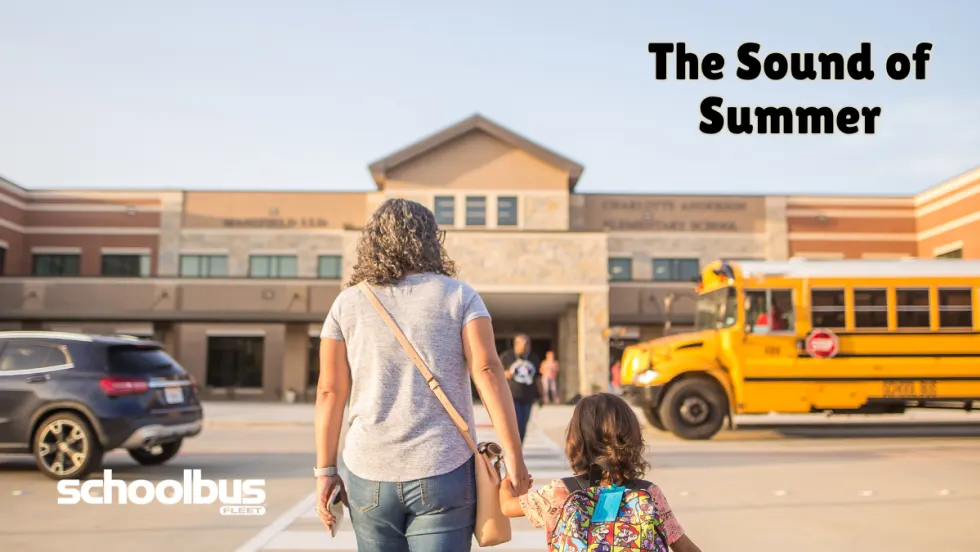
The Sound of Summer Starting [Guest Editorial]
That unmistakable school bus rumble? It carries childhood memories, community routines, and a whole lot of unseen work behind the scenes.
Read More →
The Technology Power Combo That Enables EV Charging on Difficult Sites
As the pace of fleet electrification increases and charging infrastructure continues to pose challenges, many fleets find themselves puzzling over the question: how do I install charging infrastructure faster and more cost-efficiently?
Read More →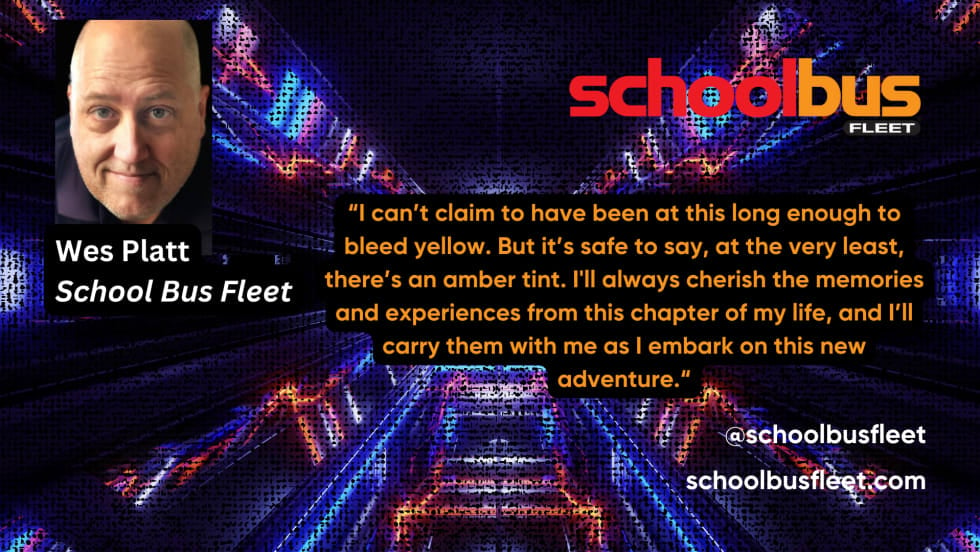
Trip Sheet: Farewell, Faithful Readers – Keep on Rolling
Executive Editor Wes Platt offers parting thoughts as he parks the School Bus Fleet bus to focus on ultra-local community journalism, making way for someone else to take the wheel as the pupil transportation industry continues to evolve.
Read More →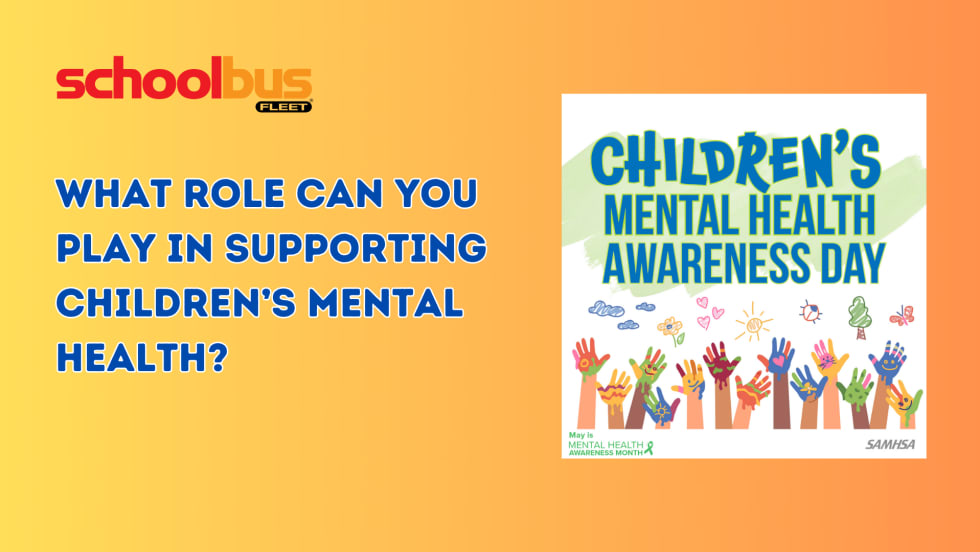
Trip Sheet: School Transportation Pros Can Champion Children's Mental Health
Children's Mental Health Awareness Day underscores the significance of school bus drivers in fostering supportive environments during students' journeys. SAMHSA's initiatives, including stigma reduction and access to resources, complement the Biden-Harris administration's funding efforts to enhance youth mental health services and workforce development.
Read More →
Trip Sheet: Is It Time for Daylight Saving Time to Clock Out?
How do you think the potential shift to permanent Daylight Saving Time or standard time would impact our daily lives and routines, especially considering the divided approach across various states?
Read More →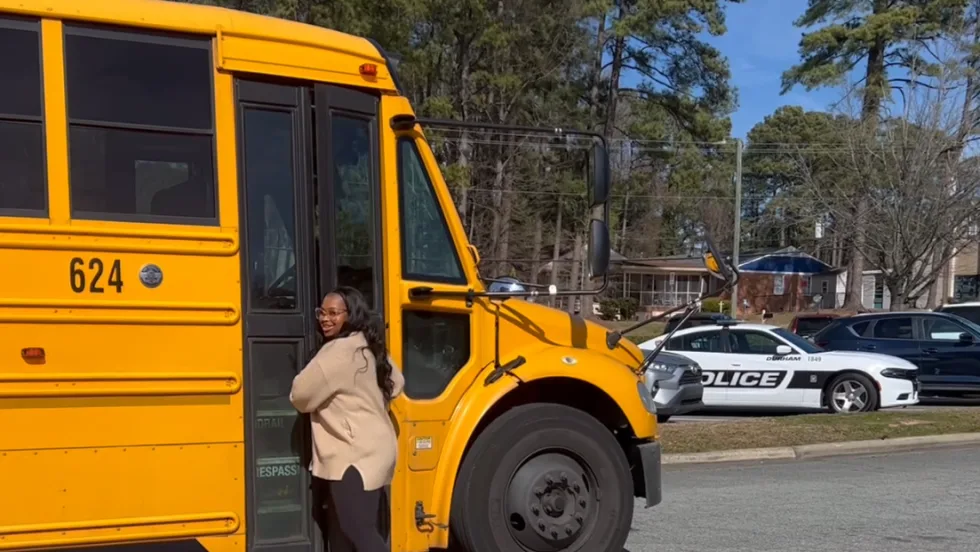
Trip Sheet: Meeting a Hero in My Own Back Yard
I remain impressed by the matter-of-fact heroism that’s often demonstrated by school bus drivers like Deona Washington who are caught in these situations where the best of us might lose our cool and panic. But, then again, bus drivers are a unique breed.
Read More →
Trip Sheet: 3 Takeaways from the EPA Clean School Bus Grant Program
Most applicants sought grant funding to acquire electric school buses, with propane coming in a distant second. No one indicated plans to purchase compressed natural gas (CNG) buses in this round. That’s not terribly surprising, I suppose, given how few school districts listed the inclusion of CNG buses in their fleets for our 2023 top district fleets survey.
Read More →
Trip Sheet: Let's Get Rolling: What's Coming in 2024?
Calendar pages keep flipping toward the mandates set in states like New York and California to transition their school bus fleets from diesel to zero-emission, but there’s plenty of reluctance and pushback.
Read More →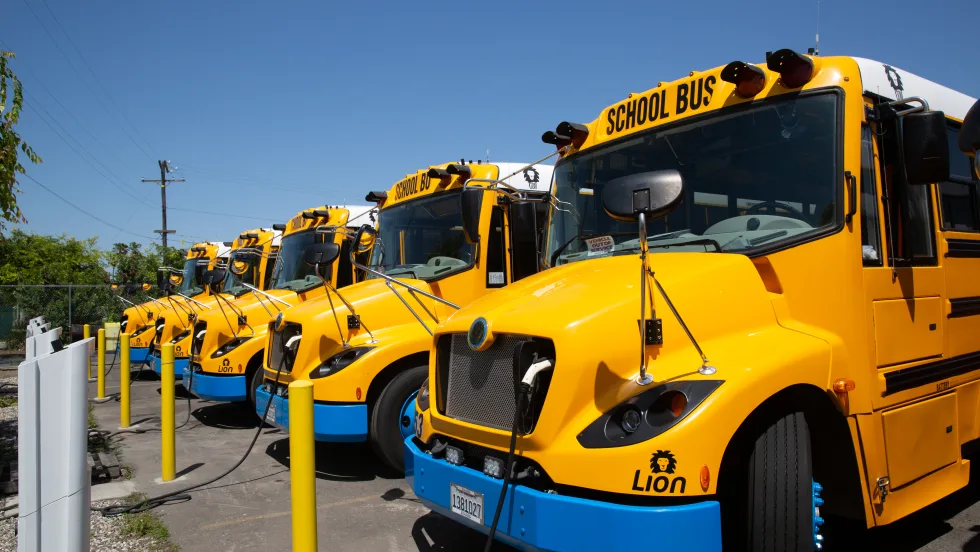
California School Children Ride in Green School Buses
Today, California prides itself on utilizing the most zero-emission (ZE) school buses in the country with over 1,689 being used by California school districts; and while the state is on a positive health trajectory thanks to a decree to eliminate gas and diesel vehicles, more work needs to be done to improve children’s well-being.
Read More →
Behind The Wheel of Childrens’ Safety Aboard the School Bus
Bus drivers are the primary caretakers of children during their commute and thus bear responsibility for their safety. By prioritizing proper operating procedures, maintenance checks, and additional precautions, drivers can help avoid the loss of precious young lives under their care.
Read More →